
Last updated November 24, 2026
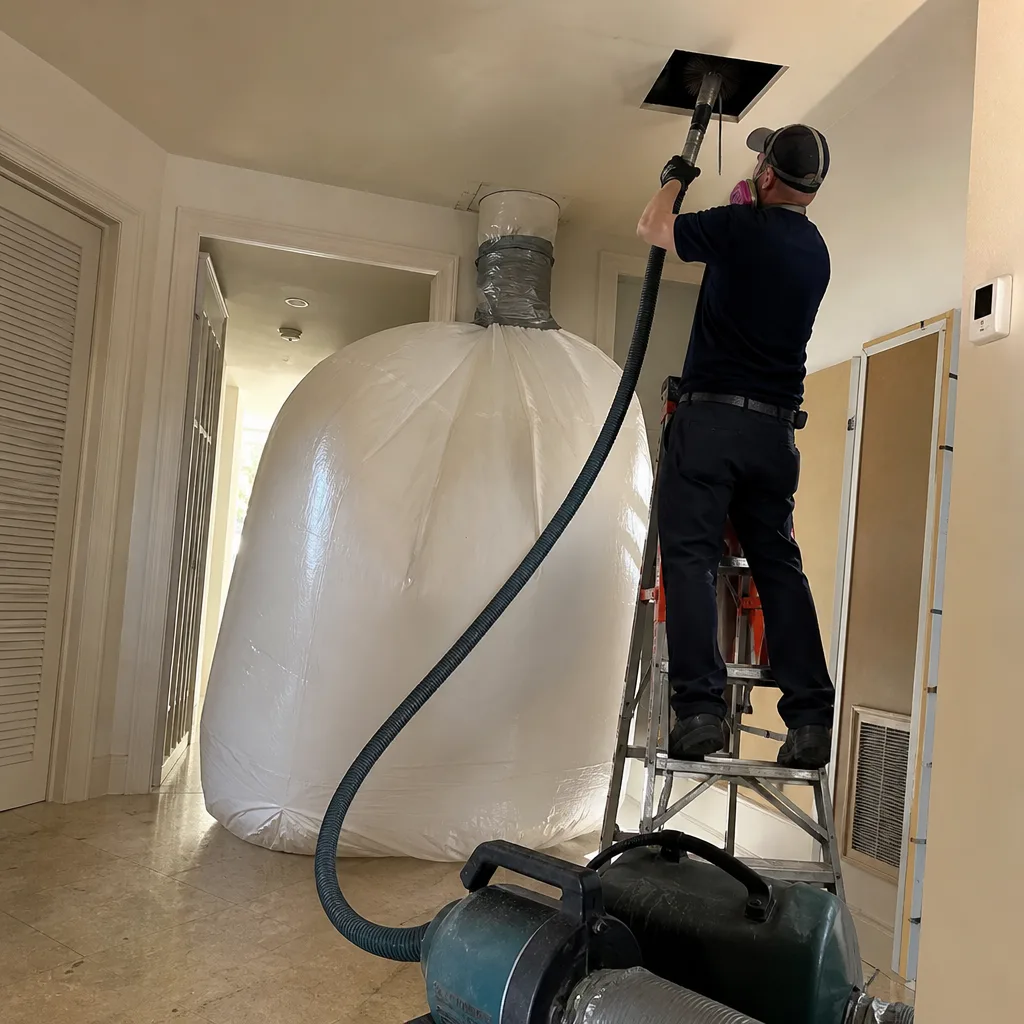
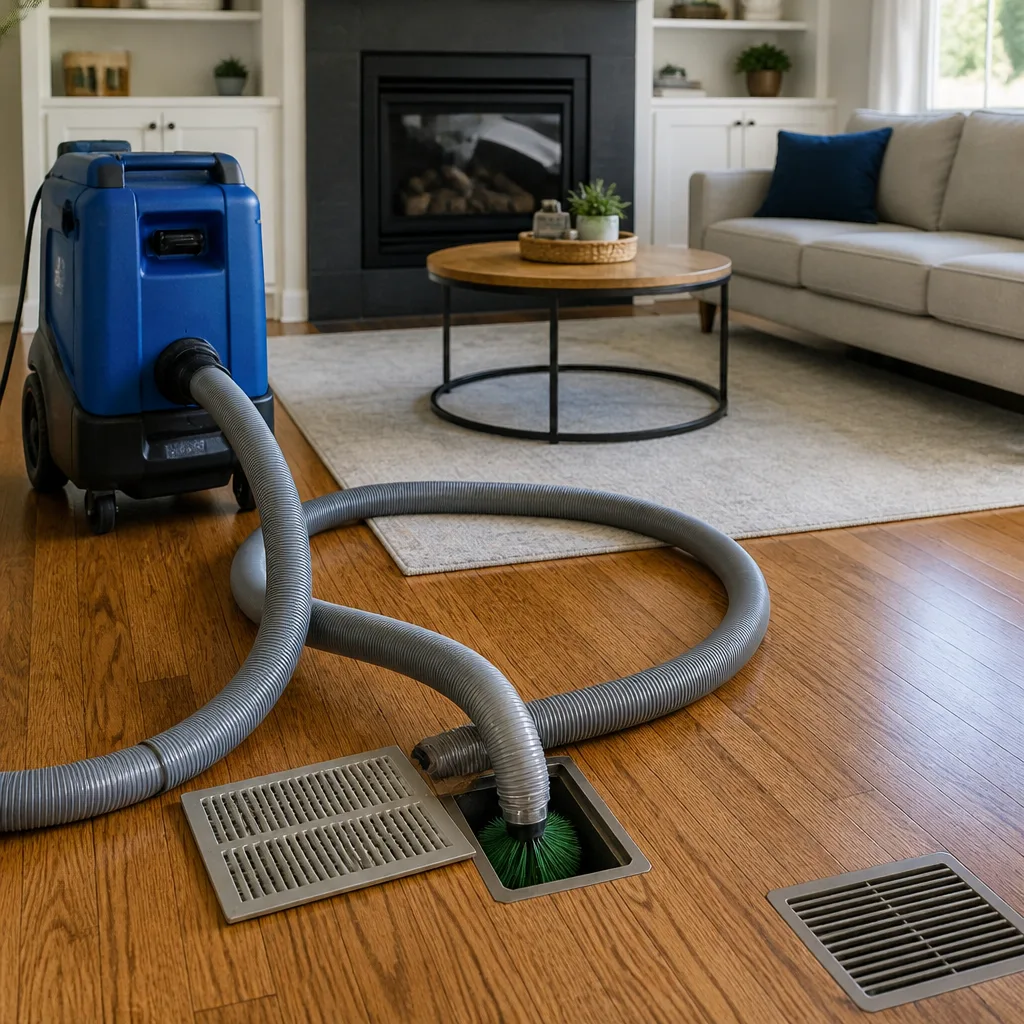 Whole-home duct cleaning
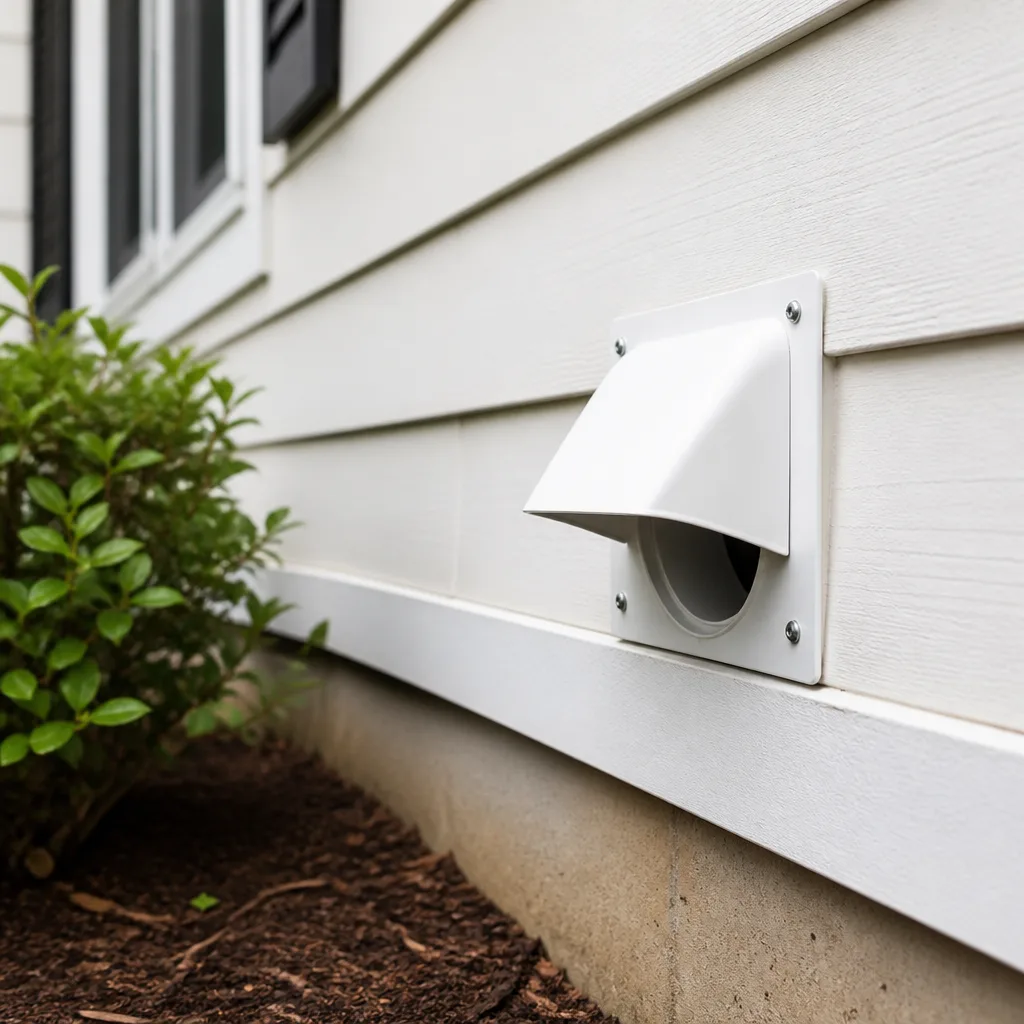 Dryer vent cleaning
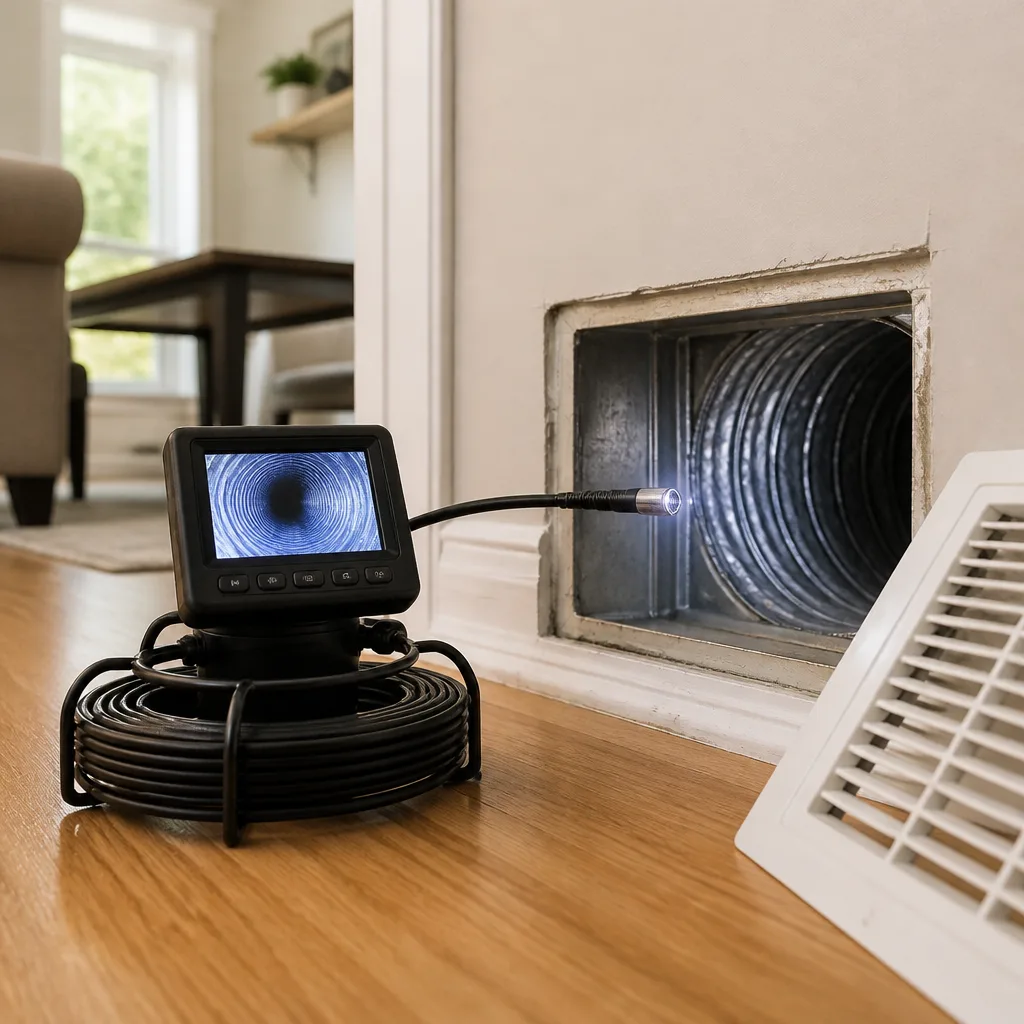 Camera inspection
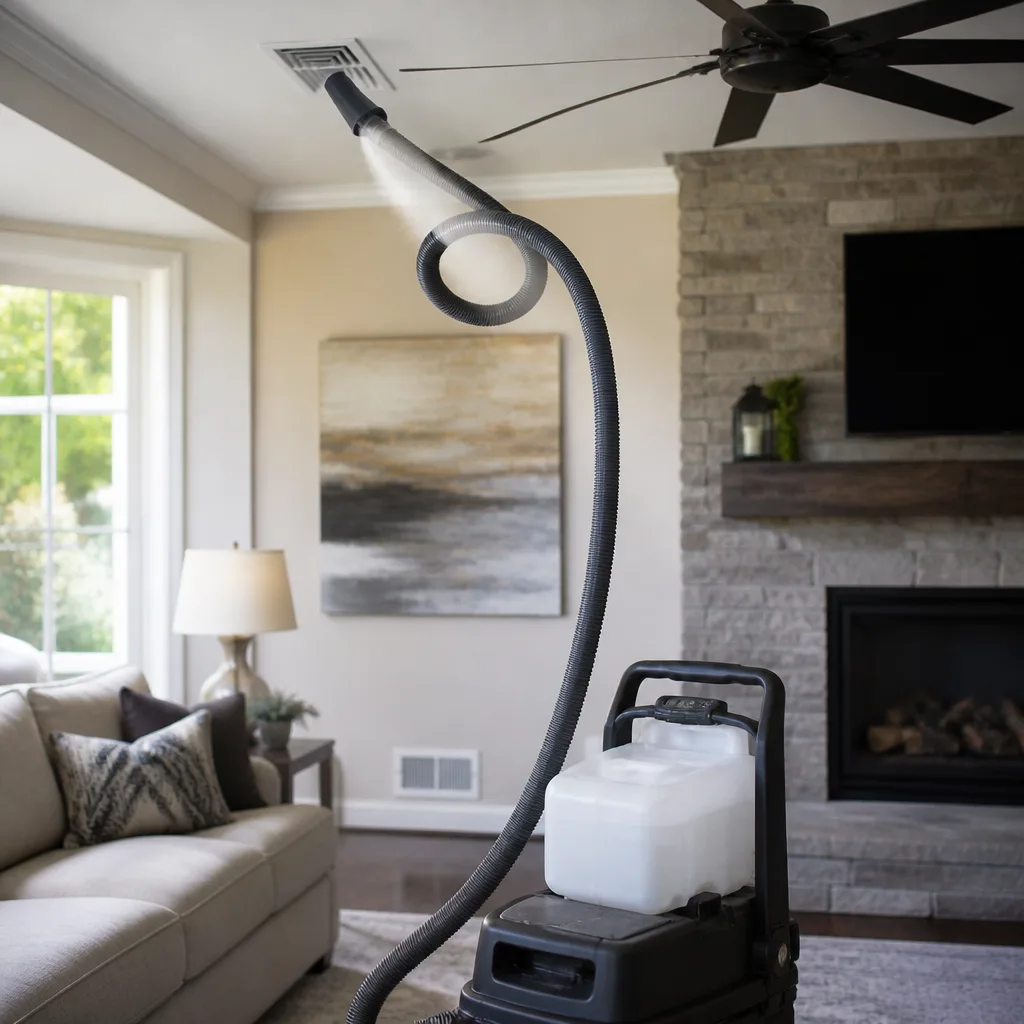 Sanitizing & deodorizing
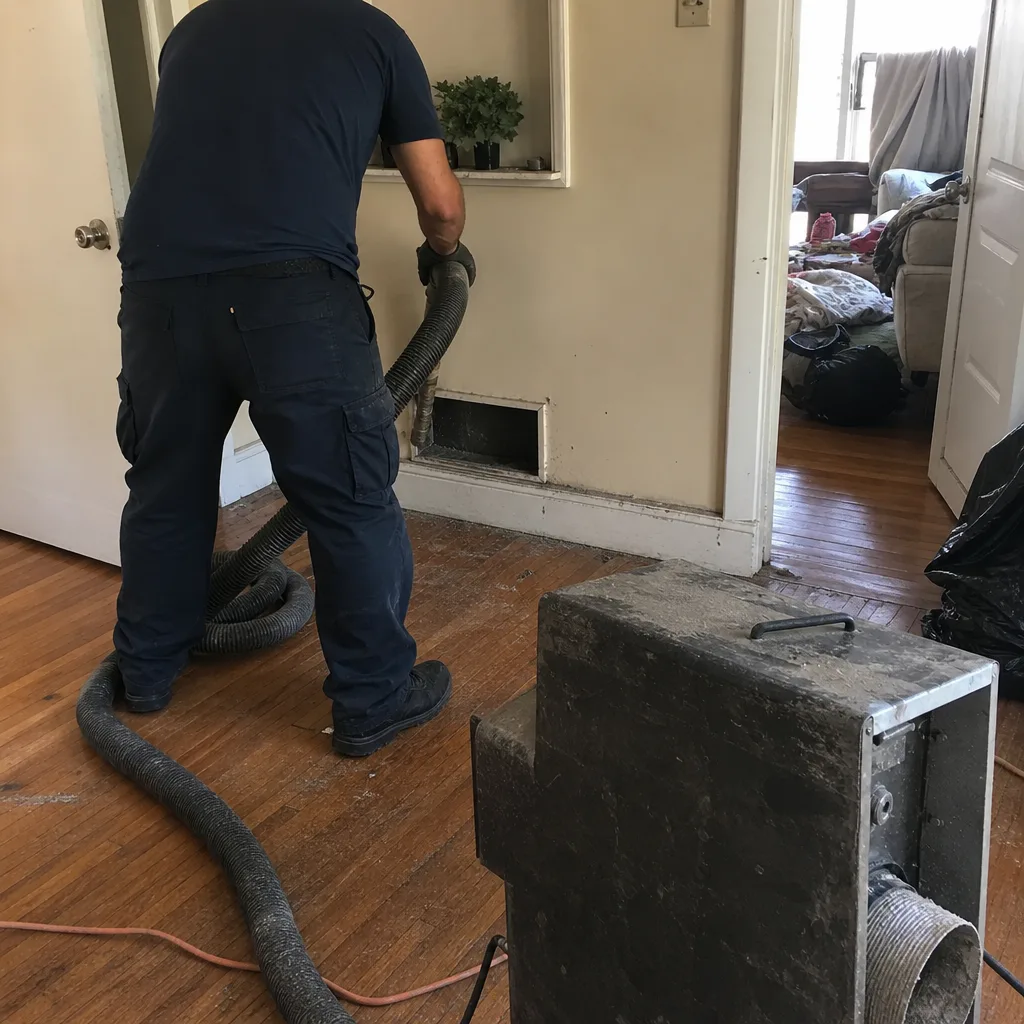
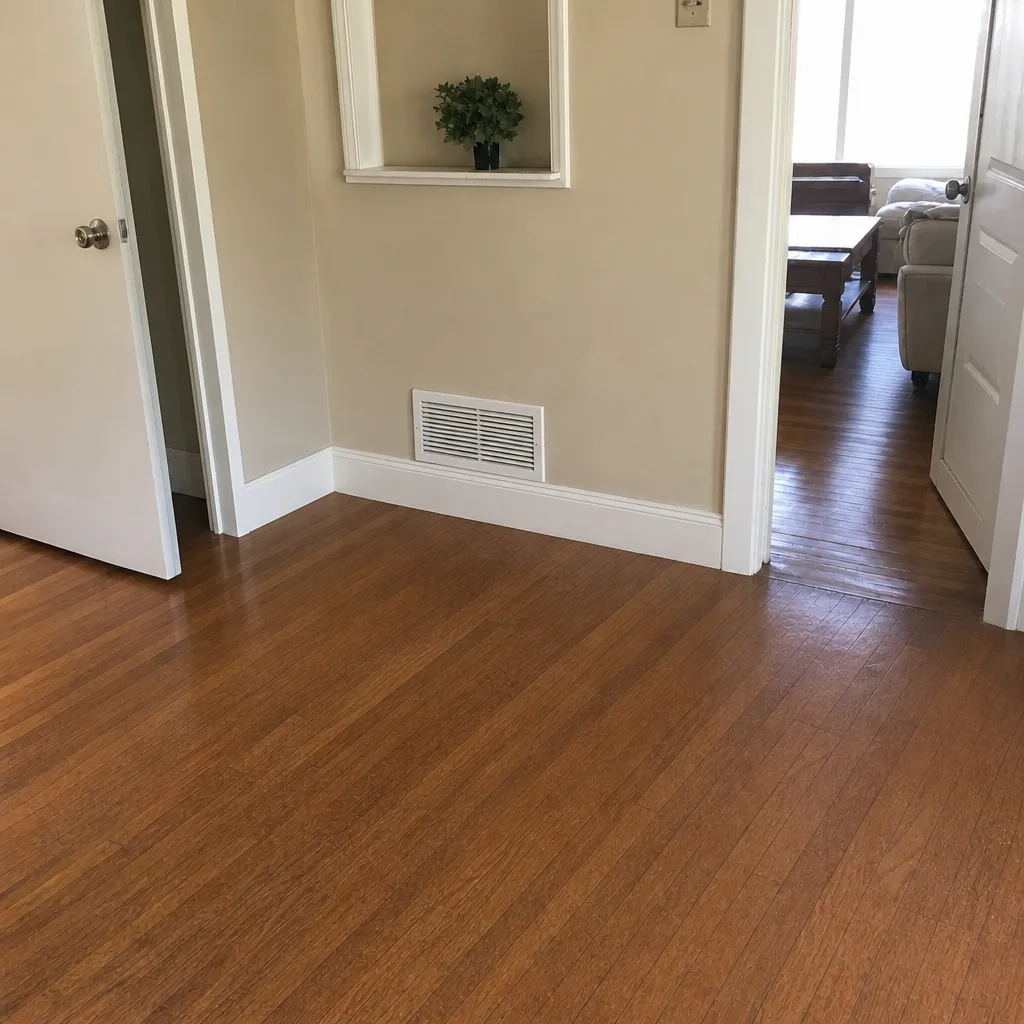
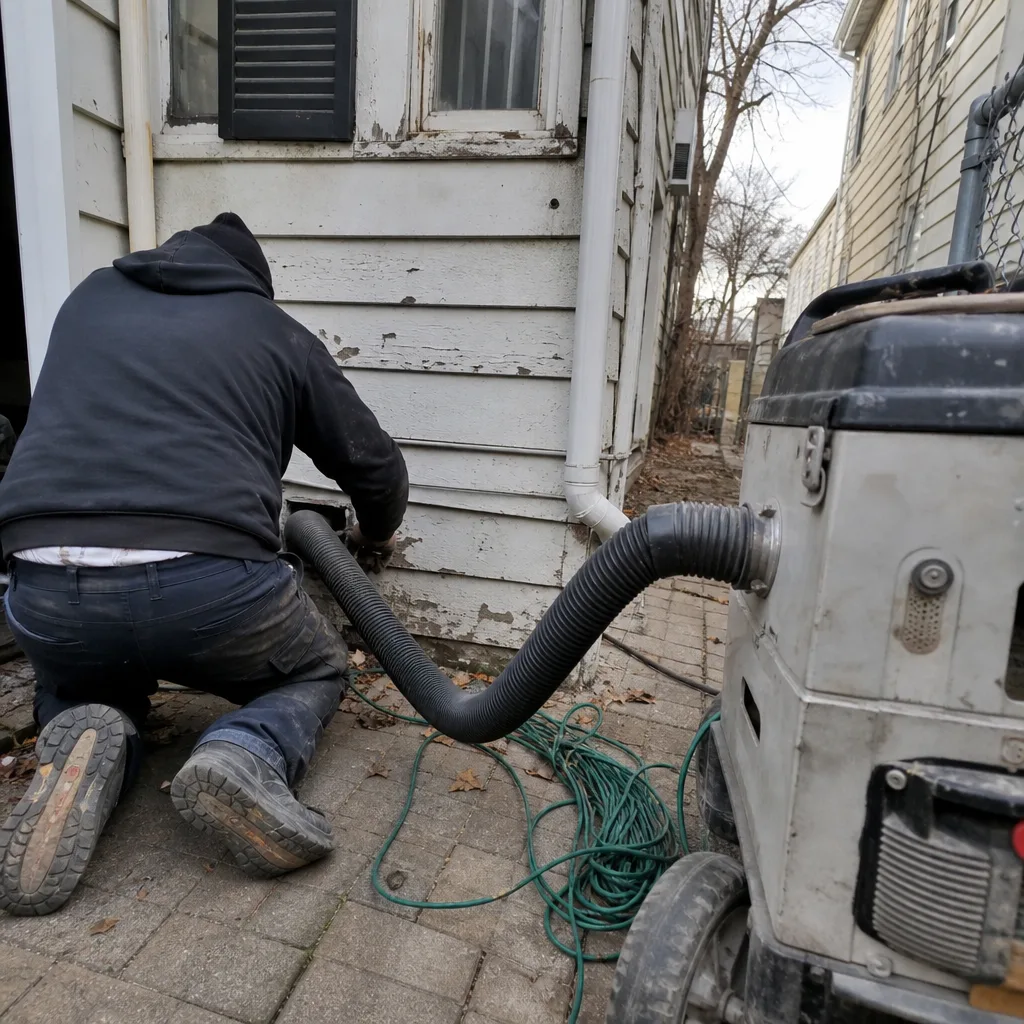
Whole-system duct and dryer vent check with before-and-after photos - you see exactly what came out of your vents
That "$99 whole-house special" is a bait ad - the real number appears once they are in your hallway, or the "clean" is a shop-vac at the register. We photograph the inside of your ducts before and after instead.
Air Duct Cleaning Maintenance Schedule: What to Do and When
Almost every article on this subject repeats the same line: clean your ducts every three to five years. That figure gets passed around as if it were a law of physics. It isn’t. It started as a general guideline, and it was always meant as a minimum, not a plan. The truth is that two houses on the same block in South Beach can need completely different schedules based on who lives there, how often the filters get changed, what the ducts are made of, and whether someone in the home is renovating or running a short-term rental. This guide replaces the one-size-fits-all calendar with a decision matrix built around those inputs. You’ll learn how to assess your own system, what to do between professional visits, and when to call in a crew with the right equipment.
Quick Answer
Most South Beach homes should schedule professional air duct cleaning every three to five years, but that interval tightens to every two years if you have multiple pets, recent renovation dust, or a filter grade below MERV 8, and it can stretch to five or six years in a low-occupancy home with high-grade filtration and sealed ducts. The only reliable schedule is the one built from your home’s specific inputs, not a fixed number on a calendar.
Styles & brands we work with
- Whole-home duct cleaning
- Dryer vent cleaning
- Camera inspection
- Sanitizing & deodorizing
Table of Contents
- Why the “3 to 5 years” rule is a floor, not a plan
- The decision matrix: what actually shifts your cleaning interval
- South Beach factors: humidity, building stock, and shared systems
- What to do between professional cleanings
- How to inspect your own ducts with a phone camera
- Maintenance tasks that protect your cleaning investment
- How property type changes the schedule
- Putting the schedule together
Why the “3 to 5 years” rule is a floor, not a plan
The three-to-five-year figure appears in consumer guidance from the EPA and gets quoted everywhere, often without context. What the guidance actually says is that no one should decide to clean ducts merely on a fixed schedule – you should clean when there’s a reason to. The interval people quote is the outer boundary, not the target. It assumes a fairly average home: moderate occupancy, decent filters, no pets, no renovation, no moisture problems. Few homes in South Beach meet every one of those conditions.
Think of it this way. The number describes a baseline in a controlled setting. Your home is not a controlled setting. A condo on Meridian Avenue with two cats, a poorly sealed filter grille, and a recent kitchen remodel will accumulate debris far faster than a two-bedroom with a high-MERV filter and no pets. Both could be described as “due every three to five years” in a generic article. Only one needs cleaning at the two-year mark.
In our experience, the homes that get the most out of professional service are the ones where the owner has learned to read the signs. Dust patterns at the registers, the color of the filter when it comes out, how the return grille feels when you run your hand near it – these tell you far more than a calendar reminder. The schedule is a starting point. Your home’s specific inputs are what set the actual date.
If you want the full picture of what professional service involves, our air duct cleaning page explains the equipment and process in detail. This guide focuses on the timing question: when to act, and how to know.
The decision matrix: what actually shifts your cleaning interval
Forget the single number. Four variables drive the rate of accumulation in any home: pets, renovation activity, filter grade, and the local climate and building stock. Each one moves your interval independently. When you have more than one stacked up, the interval shortens fast.
Pets
Pet dander and shed hair load the return air path faster than human occupancy alone. One dog or cat is enough to shorten a five-year interval to four. Two or more, or a long-haired breed, and three years is a reasonable ceiling. Pet hair also clings to duct walls and catches finer dust that would otherwise pass through, which is why the buildup looks worse at the return grille than at the supply registers.
Renovation activity
Any work that creates dust – drywall, sanding, flooring, cabinet replacement – sends fine particulate into the return air if the system is running during the work. Even if you seal off the work area and turn off the HVAC, some dust migrates. After a major renovation, schedule a cleaning even if the system was cleaned the year before. Minor work like painting or changing a faucet doesn’t warrant that.
Filter grade
A MERV 4 filter catches large particles and lets the rest through. A MERV 11 or 13 filter catches far more, which means it protects the ducts better – but it also needs to be changed more often, or it chokes airflow and the fan works harder. Homes with low-grade filters should be on a tighter cleaning schedule. Homes with high-grade filters and good housing seals can stretch the interval. Aprilaire and Honeywell filter housings are common in South Beach buildings, and when they’re fitted with the right filter, they meaningfully change the equation.
Local climate and building stock
South Beach’s humidity is the wildcard. Warm, moist air that condenses in or near ductwork creates conditions where dust sticks to surfaces rather than passing through. Duct material matters too: flex duct has a ribbed interior that traps more than smooth sheet metal, and older buildings in South Beach often have a mix of both. None of this is visible from the thermostat, but it all shifts the schedule.
If two or more of these apply, shorten the interval by one year. Three or more, shorten it by two.
South Beach factors: humidity, building stock, and shared systems
South Beach is not a generic market. The building stock ranges from pre-war walk-ups to newer mid-rises, and the systems inside them reflect that range. A single-family home on a side street has a straightforward duct layout. A condo in a larger building may have shared risers, individual unit systems, or a mix of both. The schedule follows the system, not the address.
Humidity is the biggest local variable. In a South Beach summer, indoor relative humidity climbs unless the AC runs consistently. When it doesn’t – during a long trip, or in a rental that sits empty between bookings – moisture can condense on cool duct surfaces. That’s the condition where biological growth becomes possible. If you’ve had a water intrusion, a roof leak, or a long vacancy, don’t wait for the calendar. Get the system inspected.
Older buildings in South Beach often have ductwork that’s been modified over the decades – a new run added here, a flex section spliced in there, a register moved during a kitchen remodel. Each of those changes introduces a potential leak point. Leaky ducts pull in unconditioned attic or interstitial air, and in South Beach that air carries dust and moisture. Sealing the leaks is a maintenance task in its own right, covered below.
For property managers handling multiple units, the schedule also depends on turnover. A short-term rental on Ocean Drive with high occupant turnover sees more debris and more filter bypass than a long-term lease in the same building. We’ve seen that difference many times over. The systems are the same; the accumulation is not.
What to do between professional cleanings
The cleaning itself is a single event. What happens between cleanings determines whether you get the full value of it. Four tasks, done on a routine, keep the system in good shape and give you the information you need to know when the next cleaning is due.
- Change the filter on the right cadence. Check the manufacturer’s rating on the filter you’re using. Low-MERV filters can go three months. MERV 11 and up, check them monthly in South Beach’s summer months, because a loaded filter chokes airflow. If you can’t see light through the filter when you hold it up, it’s done.
- Wipe the supply registers monthly. A damp cloth across the face of each register catches dust before it settles into the duct. It also lets you spot a register that’s dustier than the others – often a sign of a leak or a clogged branch line nearby.
- Check the return grille quarterly. Remove the grille and look at the filter housing and the first few inches of duct behind it. If you see heavy dust accumulation there, you’re behind schedule. If it’s lightly dusty, you’re on track.
- Run a visual inspection every six months. This is the phone-camera check detailed below. It takes five minutes and tells you more than any calendar reminder.
If you have a Honeywell or Aprilaire filtration unit, the media inside it has its own replacement schedule that’s separate from the duct cleaning cycle. Follow the manufacturer’s guidance, not the duct schedule.
For homes with a clothes dryer, add a fifth task: schedule dryer vent cleaning on the same cadence as the duct check, especially if the dryer feels hotter than it used to or takes longer to dry a load. Lint accumulates in the vent line just as dust does in ducts, and the fire risk is real. Most South Beach condo dryers vent through a longer run than a single-family install, which gives lint more opportunity to build up.
How to inspect your own ducts with a phone camera
You don’t need specialized equipment to know whether you’re ahead of or behind schedule. A smartphone, a flashlight, and five minutes will tell you more than a calendar alert. Here’s the protocol we recommend for South Beach homeowners between professional visits.
- Turn the system off. Let the fan stop completely before you start.
- Remove one supply register. Choose one in the room you use most. The faceplate comes off with a screwdriver or, on some models, by hand.
- Turn your phone’s flashlight on and aim it into the duct. Look at the duct walls and the branch connection just behind the register.
- Take a photo. Use the flash. The photo gives you a reference point for next time, which is more useful than a memory of “how it looked.”
- Repeat at the return grille. The return line usually shows accumulation first.
- Compare. Light, even dusting is normal. Caked deposits, visible debris, or a fuzzy appearance on the duct wall means you’re due. If you see dark patches or anything that looks like growth, stop and call for an inspection – that’s beyond routine cleaning.
A word on phone-camera inspections: they tell you what’s visible. They don’t show the full length of a duct run, the joints behind a wall, or the inside of an air handler. For that you need a professional inspection camera, which crews carry as standard. But the register-level check is enough to know whether to pick up the phone.
If you’ve had recent work done on your system’s heating or cooling components, the register check is also a good way to confirm the work didn’t leave debris behind. Our HVAC cleaning service covers the air handler and coil side of the system, which is where a lot of the dust that lands in your ducts actually starts.
Maintenance tasks that protect your cleaning investment
A professional cleaning clears out what’s accumulated. What happens afterward depends on two things: sealing the system, and filtering the air. Both are maintenance tasks in their own right, with realistic timelines you can plan for.
Sealing duct leaks
Leaky duct joints are the biggest thief of cleaning value. A sealed system delivers the air you paid to cool or heat to the rooms you live in. An unsealed one dumps a portion of it into attics, crawlspaces, or wall cavities, and pulls dirty air in through the leaks. A typical residential duct system can lose a meaningful share of its airflow to leaks, and those leaks pull particulate in from wherever the duct passes through.
For most homes, having the accessible joints sealed every three to five years is a reasonable cadence, ideally right after a cleaning. The joints behind walls or in difficult-to-reach chases get sealed when the system is opened up for a larger repair. If you notice dust streaks at a register, a whistling sound when the system runs, or rooms that never feel fully conditioned, those are the signs that leaks need attention sooner.
Upgrading filter housing gaskets
The filter housing is a common bypass point. If the gasket around the filter slot has compressed or failed, air goes around the filter instead of through it, and the filter stops doing its job. Replacing the gasket is a small job with a big payoff. On a Honeywell or Aprilaire housing, the gasket is a standard part and typically lasts several years before it needs replacing. Check it each time you change the filter.
Air quality and sanitizing
If a home has had a moisture event, visible growth, or a persistent musty smell, routine cleaning isn’t enough. That’s where specialized equipment matters. We use Abatement Technologies equipment for jobs involving contamination and remediation, and Guardsman-brand products in our sanitizing protocol. Those are specific tools for specific situations, not routine add-ons. A professional should tell you clearly whether your situation calls for that level of work.
The full service menu works as a system: clean ducts, sealed joints, and quality filtration each make the others work better. A cleaning on a leaky system is a partial fix; sealing on a dirty system just traps the debris inside. Doing both on a reasonable schedule is what produces the outcome you’re paying for. If you’re considering all of it together, our Air Duct Cleaning South Beach overview explains how the services fit.
One more piece of the system worth mentioning: the equipment itself. We use Rotobrush rotary-brush extraction and Nikro negative-pressure systems. Rotary brushes agitate the duct wall mechanically, and negative pressure pulls the dislodged material out instead of letting it settle elsewhere. That combination is what makes a cleaning verifiable. Portable shop vacuums don’t accomplish the same thing, which is one reason some quotes come in so low.
How property type changes the schedule
The same filter cadence, register check, and visual inspection apply across property types. What changes is the interval and the scope of what’s included in a professional visit.
Single-family homes
A single-family house in South Beach usually has the most straightforward duct layout: a full system, accessible in the attic or crawlspace, individual runs to each room. The baseline schedule of every three to five years applies, shortened by pets, renovation, and low-grade filters. Sealing leaks is easiest here, which means the cleaning’s value holds longer.
Condos with shared risers
Condos in larger South Beach buildings often have a shared riser for return air and individual supply runs to each unit. The individual unit’s schedule depends on the unit’s own supply ducts, but the shared side is a building-wide concern. If the shared riser is the accumulation point, cleaning it requires coordination with the building. The unit owner’s inspection should always include the point where the individual system meets the shared one – that’s where cross-contamination between units can happen. If dust is worse in one unit than its neighbors, the shared riser is a likely factor.
Short-term rentals and high-turnover properties
A short-term rental sees more filter loading, more dust from repeated cleaning, and more variability in how the system is operated. Guests turn the thermostat down when they shouldn’t, leave windows open with the AC running, and sometimes block returns with furniture. The result is faster accumulation. Property managers should treat short-term rentals as a two-to-three-year cycle, and check filters monthly during high season.
Light-commercial and small landlord properties
For small offices, retail spaces, and buildings with multiple units under one owner, the schedule follows occupancy density rather than unit count. A small office with steady foot traffic needs a check at least annually, with cleaning when the inspection shows it’s due. A landlord overseeing several units can benefit from a single scheduled visit that covers all of them, with equipment suited to the scale of the work.
Putting the schedule together
Here’s how the decision matrix translates into an actual interval. Find the row that describes your home, then adjust for pets, renovation, or filter grade as noted.
| Home profile | Baseline cleaning interval | Filter change cadence |
|---|---|---|
| Single-family, no pets, MERV 11+, sealed ducts, moderate occupancy | Every 5 years | Every 3 months |
| Single-family, one pet, MERV 8, standard occupancy | Every 3-4 years | Every 2-3 months |
| Condo with shared risers, standard occupancy | Every 3 years, plus shared riser coordination | Every 2-3 months |
| Home with recent major renovation | Once after the work, then on the base interval | Check monthly during and after |
| Short-term rental, high turnover | Every 2-3 years | Monthly during high season |
| Home with any water intrusion, leak, or vacancy | Immediately, then reassess | Reassess after inspection |
| Light-commercial, steady foot traffic | Annual inspection, clean when due | Monthly |
The table is a starting point. If two or more rows apply, use the shorter interval. If you’ve had a musty smell, visible growth, or a moisture event, get an inspection before you decide on the interval – those situations call for a professional look, not a schedule.
Common Mistakes to Avoid
- Treating three to five years as a fixed rule. It’s a floor based on average conditions. Two South Beach homes in the same building can need different schedules based on pets, occupancy, and filter grade. Use the decision matrix, not the calendar.
- Running a high-MERV filter without checking it monthly. A loaded MERV 13 filter chokes airflow and makes the fan work harder. In a South Beach summer, a choked filter can cause the system to short-cycle. Check it monthly and replace when it’s loaded, not when the manufacturer’s outer limit says so.
- Skipping the register check because the cleaning was recent. Clean ducts with leaky joints pull dust back in through the leaks within months. If one register is much dustier than the others, that’s a sign of a leak, not a reason to wait for the next service.
- Assuming a low quote means the same work. Quotes that come in far below the rest of the market often mean a shop vacuum instead of rotary-brush extraction with negative pressure. The dust gets loosened and resettled, not removed. Ask what equipment the crew uses before booking.
- Ignoring the dryer vent. Duct cleaning and dryer vent cleaning are separate systems, and the dryer vent is the one with the fire risk. In South Beach condos with long vent runs, lint buildup is easy to miss. Co-schedule the two services when you book.
- Not sealing leaks after a cleaning. A cleaning without sealing is a partial fix. The leaks pull the dust back in. Budget for sealing on the same visit or shortly after.
- Waiting for a musty smell before calling. By the time you smell it, the situation is beyond routine cleaning. If a unit has been vacant, or had any water intrusion, get an inspection – don’t wait for the smell.
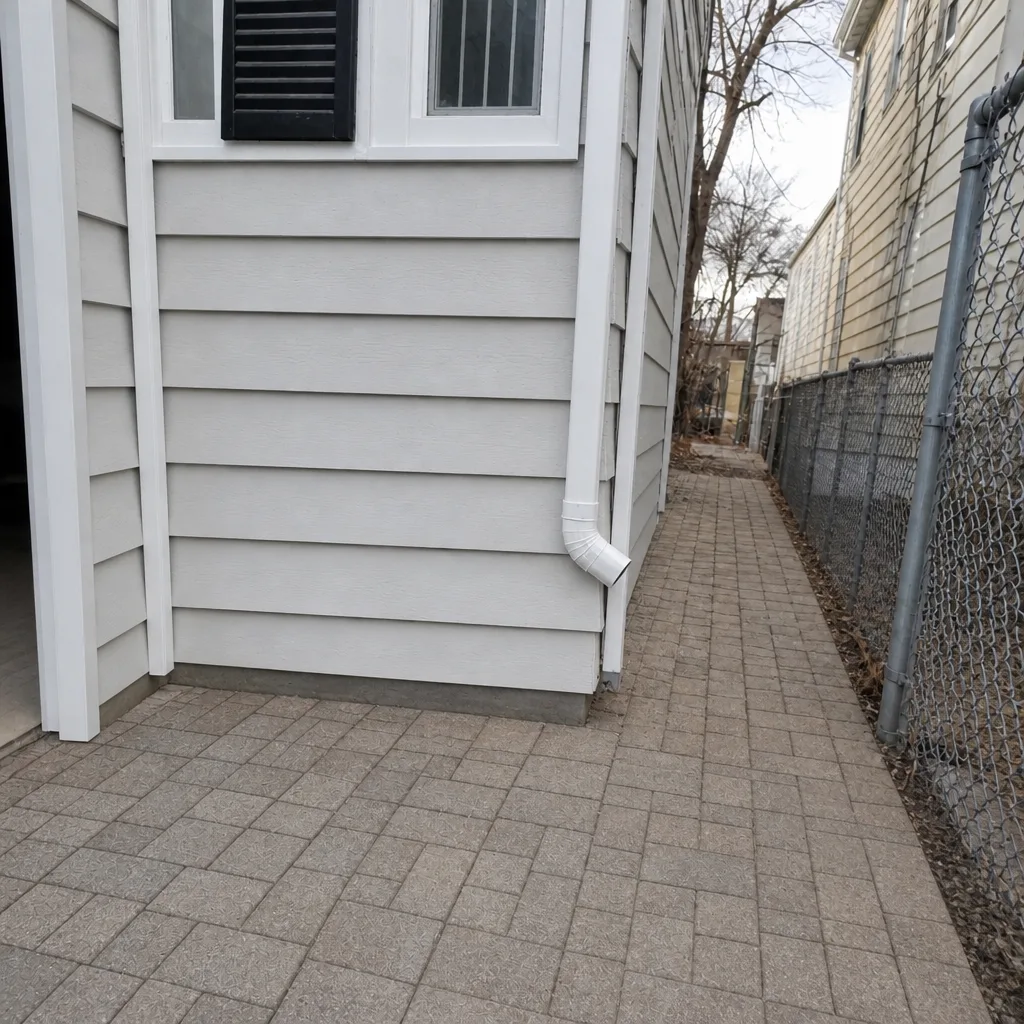
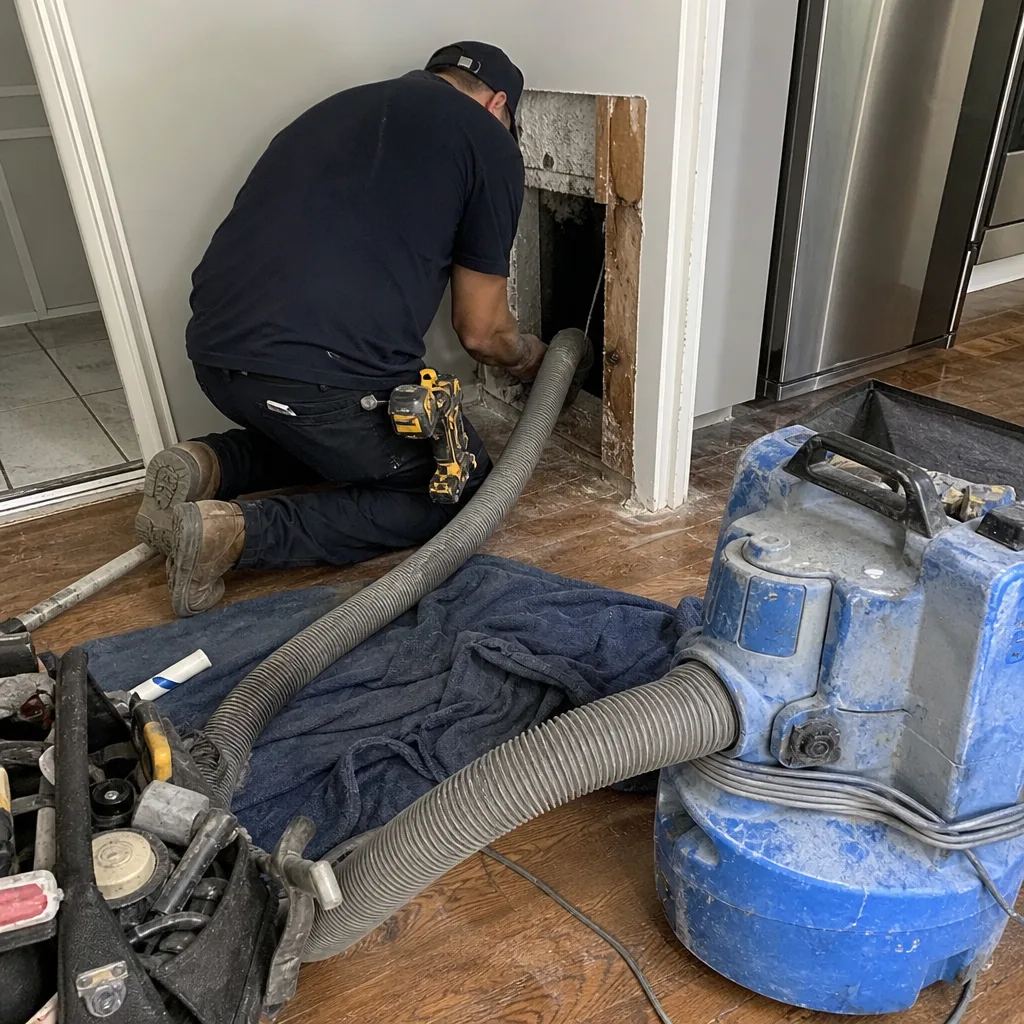
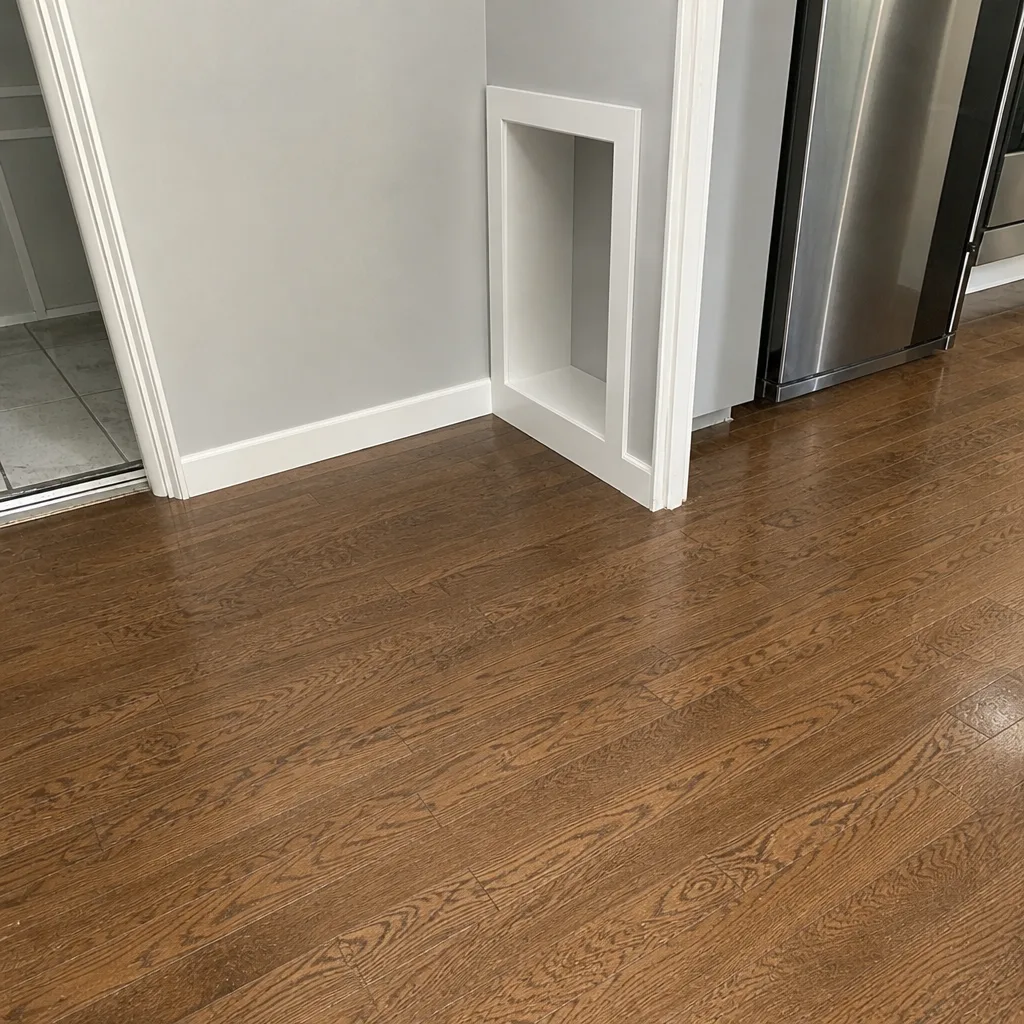
See the difference
 Before
 After
 Before
 After
 Before
 After
When to Call a Professional
Some situations call for a professional rather than a calendar reminder. Call for an inspection if you’ve had water intrusion, a long vacancy, or a musty smell anywhere in the home. Call if you’ve recently completed a major renovation and want the system cleared before you move back into it. Call if one register is much dustier than the rest, or if airflow feels weak at registers that used to feel strong. Call if the system was cleaned and you’re unsure whether the clean reached the joints behind the walls. And call if you’re a property manager who needs a single scheduled visit to cover multiple units.
Air Duct Cleaning South Beach offers free estimates in South Beach – call (877) 792-7501. We answer 24/7. Fast dispatch from 7am to 7pm, Sunday through Friday. One flat price per system, agreed before work starts, with before-and-after photos of your own ducts.
Frequently Asked Questions
Most South Beach homes should be cleaned every three to five years, with the interval shortened to two years if pets, renovation dust, low-grade filters, or a shared riser apply. The single number is a baseline, not a rule.
No. A shop vacuum can’t agitate dust off the duct wall or create the negative pressure needed to pull it out. It loosens surface debris that resettles elsewhere in the system. Professional rotary-brush extraction with negative pressure – which we do with Rotobrush and Nikro equipment – is what actually removes the material. Call (877) 792-7501 for an exact quote on your system – estimates are free.
Ask for before-and-after photos of your own system. A crew that has done the work has those photos; a crew that only ran a vacuum around the registers usually doesn’t. The register-level visual check covered in this guide is the follow-up you can do yourself after the service.
Duct cleaning focuses on the duct runs and the registers and returns. HVAC cleaning covers the air handler, the coil, and the components that move the air. The two are often done together, because dust in the ducts usually starts at the coil. Both are worth doing on a coordinated schedule.
Yes, we recommend it. The dryer vent is a separate system from the ducts, and it carries the leading fire risk among household appliances. Lint builds up in the vent line, not the dryer drum. Long vent runs in South Beach condos give it more opportunity to accumulate. Co-scheduling the two services saves a visit and covers both systems in one appointment.
A shared riser is a building-wide concern, even if your unit’s supply runs are separate. Individual units should still check their own supply ducts every six months and clean on their own interval, but the point where the individual system meets the shared riser should be inspected at that time. If your unit runs dustier than your neighbors, the shared riser is a likely factor. Call (877) 792-7501 to discuss an inspection that accounts for the shared system.
The Bottom Line
The three-to-five-year figure isn’t wrong. It’s incomplete. Your schedule should be built from the variables that actually drive accumulation in your home: pets, renovation activity, filter grade, and the humidity and building stock specific to South Beach. Use the decision matrix and the schedule table in this guide to set your interval, then do the four between-cleaning tasks – filter changes, register wipe-downs, return grille checks, and phone-camera inspections – to know when the next visit is actually due. Seal the leaks, keep the filter housing sealed, and treat the dryer vent as a separate system that needs its own schedule. That’s how a cleaning holds its value.
For an accurate recommendation on your specific system, call (877) 792-7501. We answer 24/7. Fast dispatch from 7am to 7pm, Sunday through Friday. Free estimates, one flat price per system, and before-and-after photos of your ducts.
Written by the team at Air Duct Cleaning South Beach.