
Last updated November 24, 2026
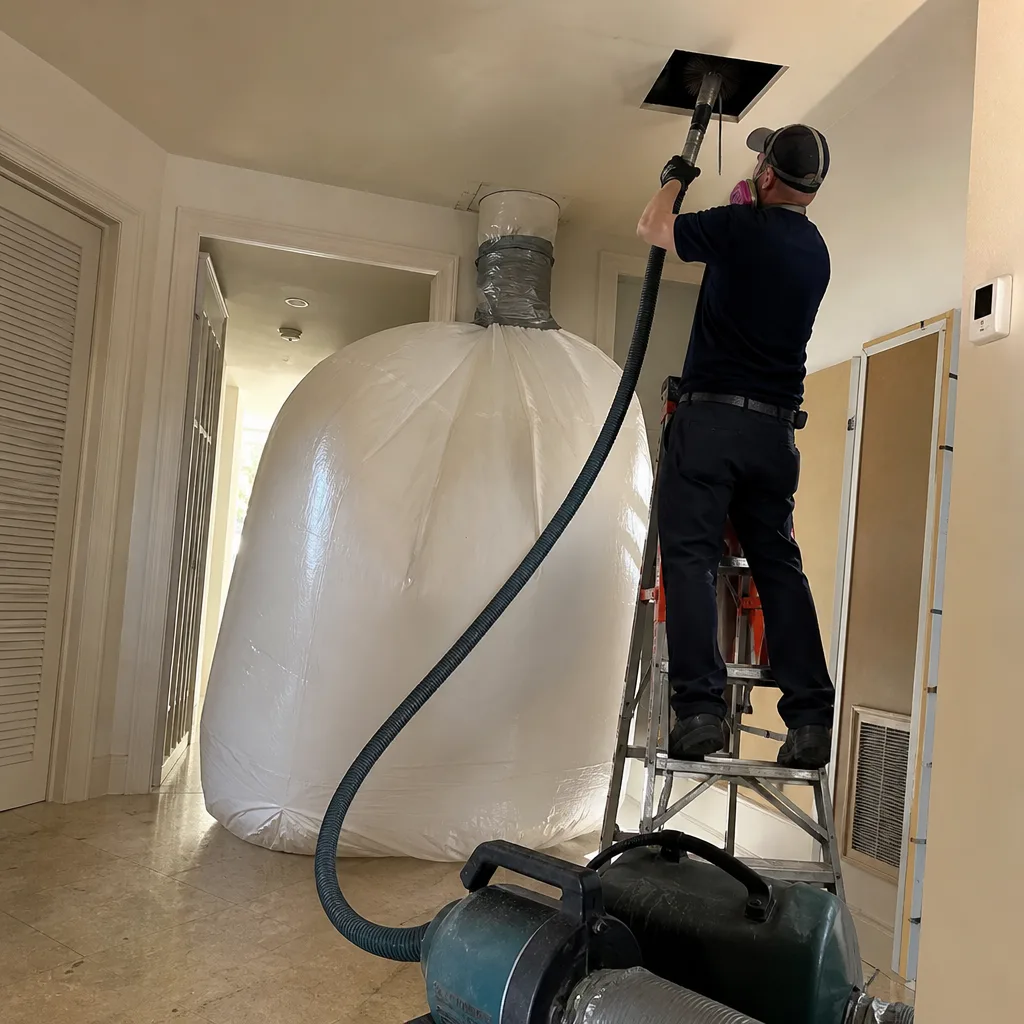
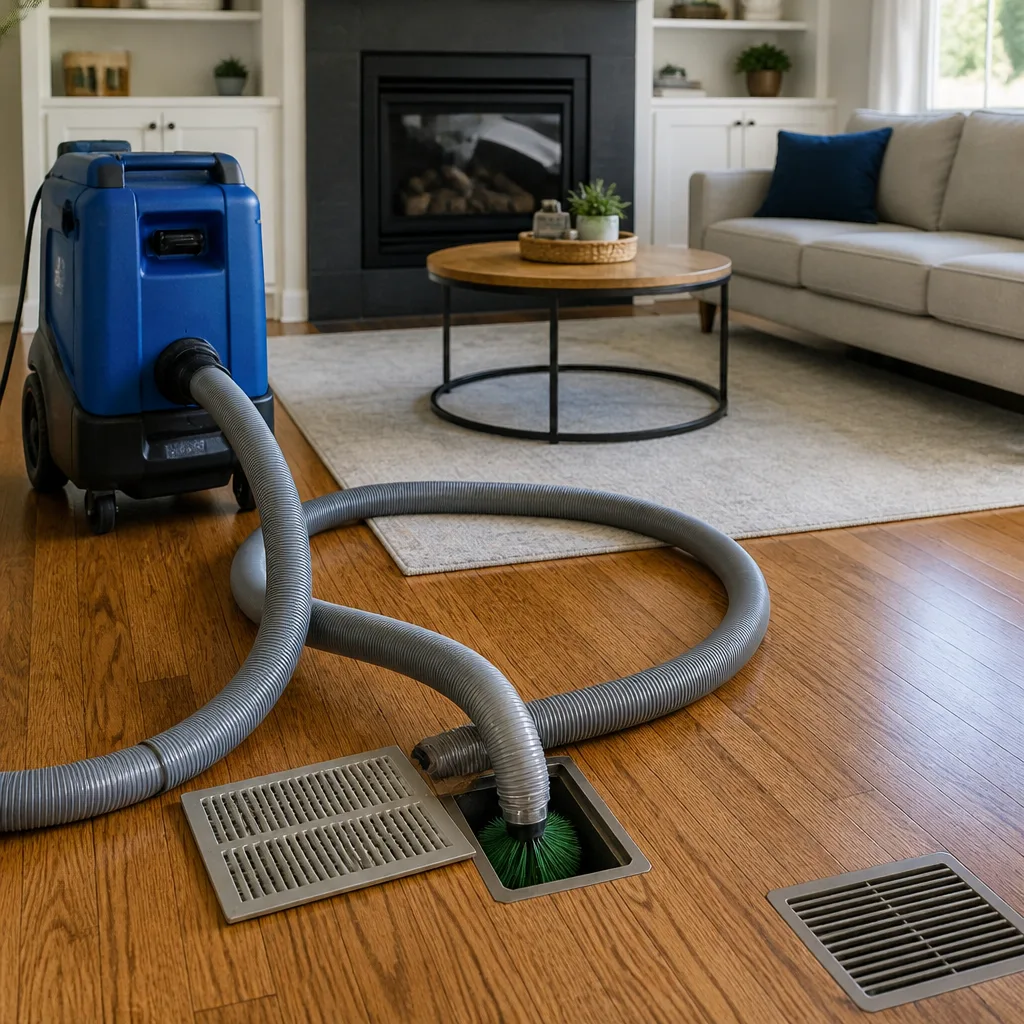 Whole-home duct cleaning
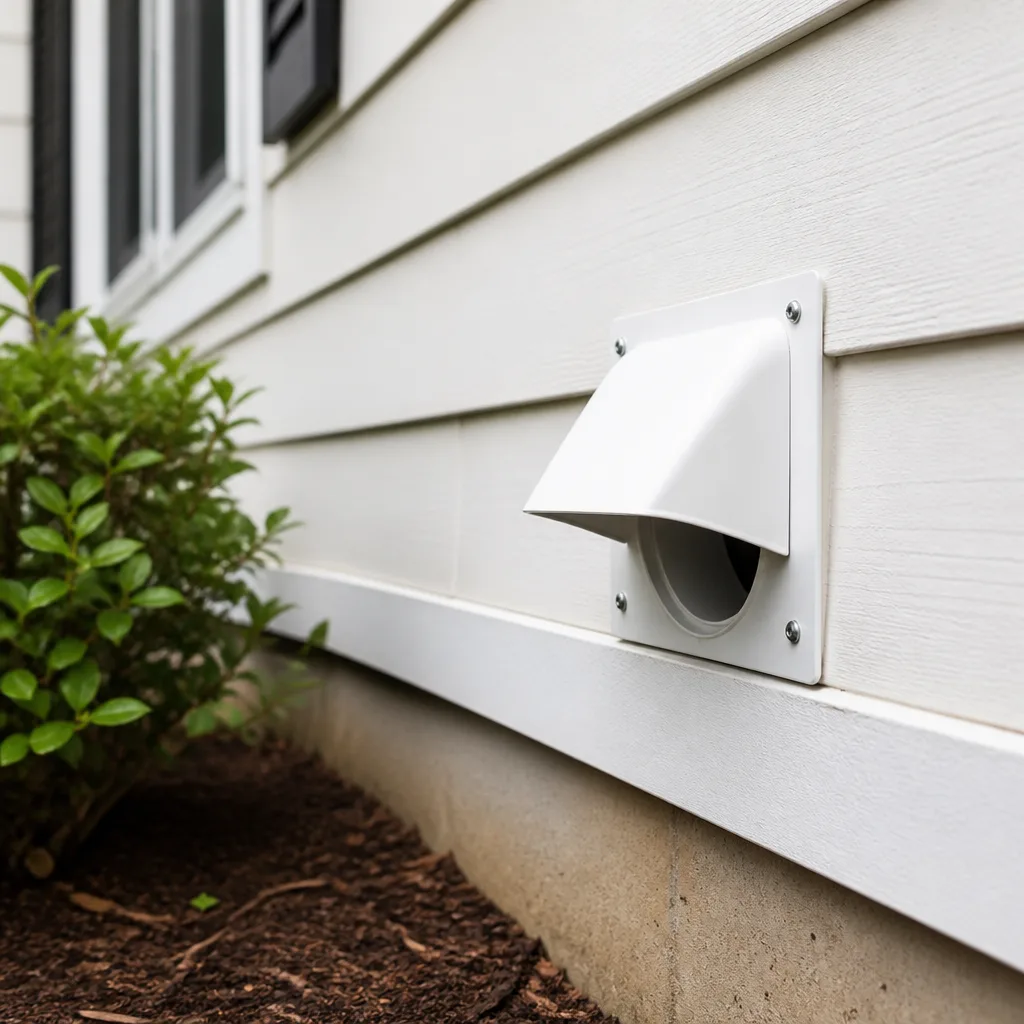 Dryer vent cleaning
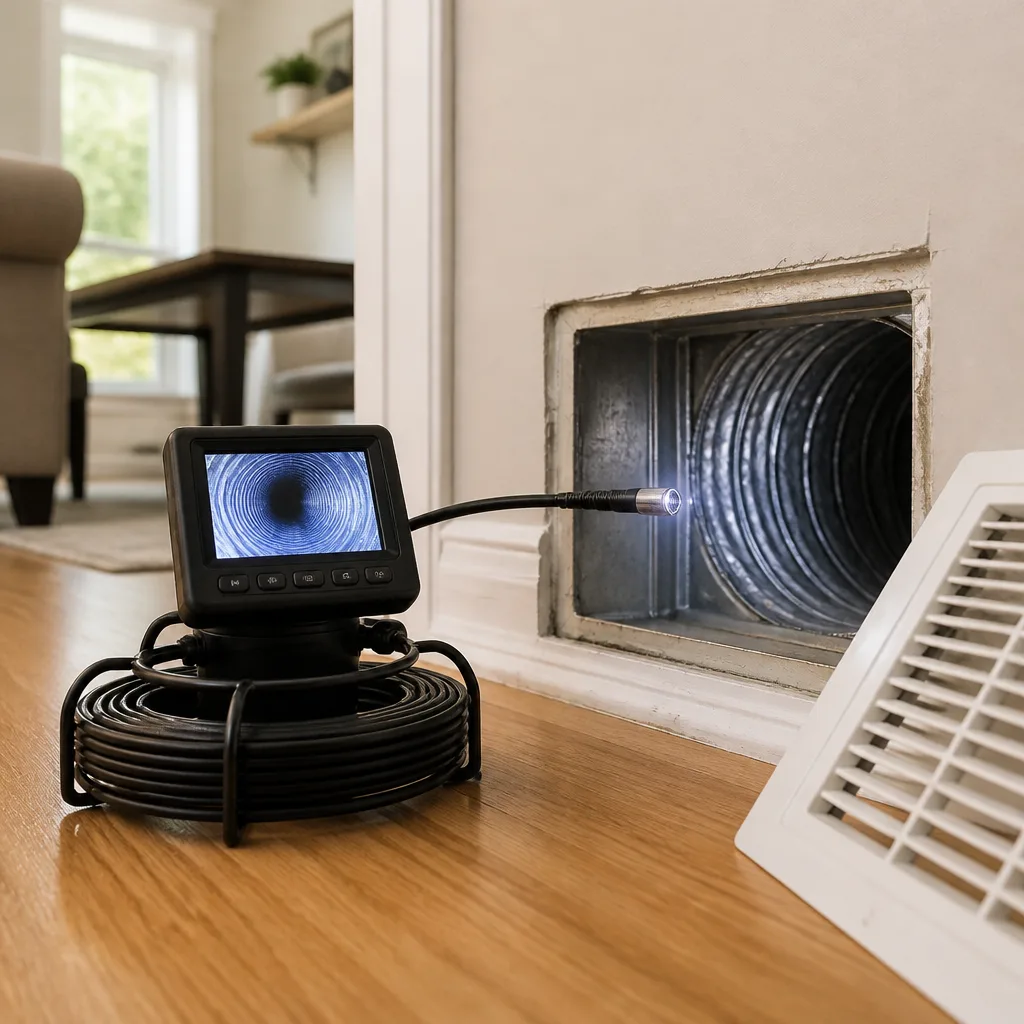 Camera inspection
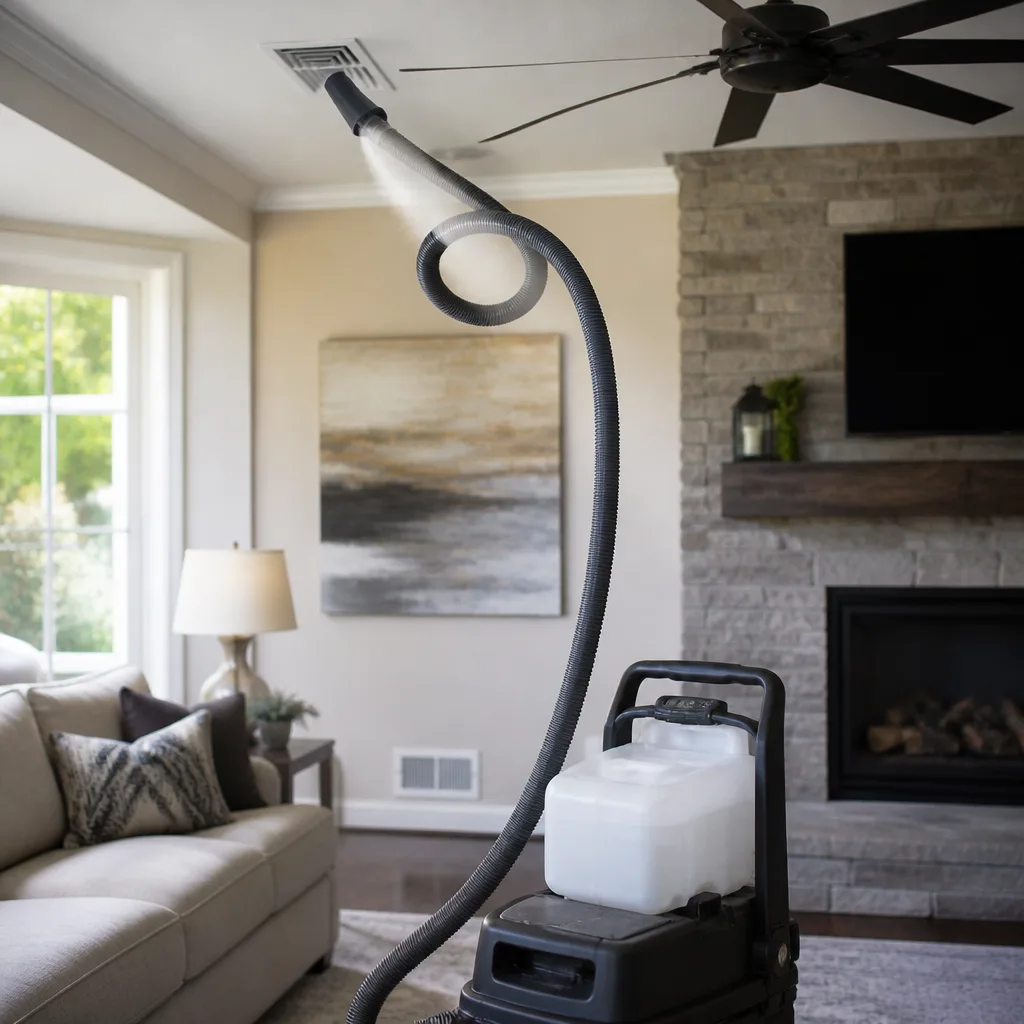 Sanitizing & deodorizing
Whole-system duct and dryer vent check with before-and-after photos - you see exactly what came out of your vents
That "$99 whole-house special" is a bait ad - the real number appears once they are in your hallway, or the "clean" is a shop-vac at the register. We photograph the inside of your ducts before and after instead.
Air Duct Cleaning Troubleshooting in South Beach: Common Problems and How to Fix Them
A noisy register and a dusty register are two completely different problems, but most homeowners treat them the same way. So do some contractors. One tells you about airflow pressure, the other about filtration, and neither gets solved by pointing a vacuum at the grille. Here’s the part most guides skip: the duct network in your home behaves like a system with specific failure modes. Odors, weak airflow, rattle, visible debris, and damp smells each point to a different zone or component. This guide shows you how to read those signals yourself, what you can check safely, and which findings mean cleaning alone won’t fix it. South Beach homes have a few local quirks we’ll cover too.
Quick Answer
Most air duct problems in South Beach trace to four root causes: a clogged or collapsed branch line, separated duct joints, a degraded flex duct liner, or contamination on the coil or condensate pan. You can narrow it down yourself by comparing airflow at each register, listening for rattle at the plenum, and checking whether the smell is dry and dusty versus damp. If the smell is damp or the register shows torn liner material, call a technician. Cleaning alone won’t resolve structural duct failure.
Styles & brands we work with
- Whole-home duct cleaning
- Dryer vent cleaning
- Camera inspection
- Sanitizing & deodorizing
Table of Contents
- What Your Symptoms Are Actually Telling You
- The Hand Test: Isolating Blockage by Register Comparison
- What a Musty Smell After Cleaning Really Means
- How South Beach Humidity Shortens Flex Duct Life
- When Cleaning Won’t Fix It: Duct Separation and Collapsed Liner
- Diagnosing Duct Noise: Rattle, Whistle, and Boom
- What Professional Equipment Actually Does That a Shop-Vac Can’t
- How Often South Beach Ducts Really Need Attention
What Your Symptoms Are Actually Telling You
Air duct problems cluster into four symptom families. Each one points toward a different failure type and a different zone in the system, which is why treating them all as “dirty ducts” leads to wasted service calls and money spent on the wrong fix. Before you book anything, decide which cluster you’re in.
- Odor (musty or sour): usually mold regrowth, a wet coil, a full condensate pan, or a reminder that the last cleaning left moisture behind. Rarely a filtration issue.
- Airflow loss (weak registers, stuffy rooms): blockage, crushed flex duct, closed damper, or a branch line that’s come apart at a joint. Systemic airflow loss across the house usually means the main trunk or the air handler, not a single branch.
- Noise (rattle, whistle, booming): undersized return, loose duct metal, torn liner flapping inside the duct, or a damper that isn’t fully open. Noise is a pressure or mechanical finding, not a dirt finding.
- Visible debris at the register: dust, insulation fibers, or liner fragments blowing out. Fibers and fragments mean structural breakdown, not accumulated dust. That distinction matters and we’ll come back to it.
If you’re seeing more than one cluster at once, which is common in older South Beach properties, start with the cluster that has the most comfortable diagnostic path. Odor and visible debris are the easiest to check without tools. Airflow loss takes a few minutes of walking around. Noise is usually obvious once you know where to stand.
Why the same symptom can have two causes
A dusty register can be caused by a filter that hasn’t been changed in a year, or by a torn duct liner shedding fibers into the airstream. Two identical-looking problems, two completely different fixes. This is the single biggest reason DIY diagnosis goes wrong. The register looks dirty in both cases, but only one of them is a cleaning job. The other is a duct repair and sealing job, sometimes a replacement of the affected run.
For general background on what routine cleaning does and doesn’t touch, our air duct cleaning page walks through the process from the intake side. What follows here is narrower. It’s the diagnostic layer that comes before you book anything.
The Hand Test: Isolating Blockage by Register Comparison
You can tell whether an airflow problem lives in the main trunk or in a branch line without any tools, using a simple hand comparison across registers. Run the system on fan only for a minute, then hold your palm a few inches from each supply register. Compare the strength and feel of the airflow. This is the fastest way to figure out whether the whole system is restricted or just one room.
- Turn on fan only. Fan-only isolates airflow from heating and cooling, and keeps the thermostat from cycling while you walk around.
- Hold your hand at each supply register for about five seconds. Rate each one as strong, moderate, or weak. Write the ratings down.
- Compare across the whole house. If every register feels weak, the restriction is upstream: main trunk, filter, evaporator coil, or the air handler inlet.
- Look at the pattern of weak ones. If one room is weak and its neighbors on the same branch are also weak, the branch or its damper is the suspect.
- Test the closest return. A weak return with strong supplies points to a filter or coil restriction. A strong return with weak supplies points to a supply-side leak or blockage.
- Check the filter. A clogged filter is the most common cause of weak airflow across the whole house. Replace it and repeat the test.
The register-by-register method
In South Beach apartments and condos with two or three supply runs, the hand test takes under five minutes. In single-family homes with a long attic trunk and four or more bedrooms, it can take ten. Write the ratings down. Comparing against memory a week later almost always produces the wrong conclusion.
If every register is weak and the filter is fine, the vent runs almost certainly aren’t your problem. Airflow gets restricted at the evaporator coil or at the main trunk. Cleaning the whole duct network without addressing an ice-clogged coil or a crushed main run is money down the drain. Our HVAC cleaning service covers the coil and blower side of the system, which is where whole-house airflow problems usually live.
What a Musty Smell After Cleaning Really Means
A musty smell that returns within days or weeks of a duct cleaning almost always means one of three things: mold regrowth because extraction left moisture behind, a dirty evaporator coil, or a condensate pan that isn’t draining. Cleaning removed surface dust but did not resolve what’s actually causing the smell. That’s the honest answer, even when it’s not the one a homeowner wants to hear.
Full disclosure: we do this work, so we have a bias. But the local finding is real. The combination of summer humidity, an intermittently running AC, and ducts that aren’t fully dried after a wet extraction gives mold everything it needs to bloom again. Service that agitates and extracts with strong negative pressure, and then confirms the system is running dry before the technician packs up, is the difference between a clean system and a system that smells musty again in three weeks.
How to tell mold from a dirty coil from a wet pan
- Mold regrowth: musty smell present at the supply registers, plus a slight increase in dust at the grilles. Look inside one register with a flashlight. Dark patches or fuzzy growth along the duct wall point toward mold. Regrowth usually starts where the last extraction was incomplete.
- Dirty evaporator coil: musty smell that shows up when the system runs and fades when it’s off. Airflow is often weak across the whole house. The coil sits inside the air handler, hard to see from outside, so this is the case a technician confirms by opening the unit.
- Condensate pan: damp smell concentrated near the air handler, sometimes with visible standing water in the pan or water marks underneath. The pan should drain freely. If it’s not draining, cleaning the ducts won’t fix it.
Air quality sanitizing after cleaning uses named products, not generic sprays. Our protocol uses Guardsman-brand products, and the equipment we bring includes Abatement Technologies systems set up for jobs that involve contamination and remediation, not just routine dust. If your musty smell came back after another service, that’s the scenario Abatement gear is built for. Get an inspection before booking another round of cleaning. If the diagnostic shows a wet coil or failed pan, cleaning alone won’t help.
How South Beach Humidity Shortens Flex Duct Life
Flex duct liner in South Beach wears out faster than the same liner does in dry inland climates. Summer humidity that sits in the neighborhood for months, coupled with AC systems that cycle on and off rather than running continuously, means the liner stays damp more of the year than it should. Over time the liner loses its bond to the outer jacket, or the adhesive fails along the spiral wire. Then you get flaking, peeling, and fibers shedding into the airstream.
We mention this because the visible signs are subtle. Dust at the register from a dirty duct is gray or brown and smells like household dust. Dust at the register from a failing liner is white or yellow, sometimes fiber-shaped, and often joined by insulation particles. If you’re seeing that, the duct runs are the problem. Cleaning removes the loose material but the liner will keep shedding until it’s repaired or replaced.
What to look for inside the register
- Liner peel: a section of the inner liner has come away from the outer jacket. Visible as a flap inside the duct at the register. Flapping liner causes your rattle too.
- Insulation fiber: small white or yellow fibers sticking to the register face or caught in the fins. Not the same as dust, and not cosmetic.
- Condensation staining: dark streaks or water marks along the duct wall. Suggests the duct is cold enough to sweat in humid weather.
- Collapsed section: the duct looks pinched at the register boot. Airflow will be weak at that register even with the system running normally.
- Loose jacket: the outer silver wrap has a visible gap or tear. That’s a heat loss and humidity ingress point at the same time.
The duct repair and sealing side of our service exists for exactly this cluster. It runs alongside routine dryer vent cleaning in a lot of South Beach homes because both jobs are about moving air safely through a channel, and both benefit from a single visit.
When Cleaning Won’t Fix It: Duct Separation and Collapsed Liner
Some duct problems are structural, and no amount of cleaning, sanitizing, or filter upgrading will correct them. Duct separation, collapsed liner, crushed flex duct, and damaged insulation all need repair or replacement before cleaning has any lasting value. Booking cleaning first on a system with a separated joint means the technician cleans the ducts and then tells you the job isn’t done. Get the diagnosis first.
Three findings that mean remediation, not cleaning
- Duct separation at a joint. The inner liner or metal duct has come apart at a collar or transition. Air escapes into the attic or wall cavity instead of reaching the room. Tell from weak airflow at distant registers combined with strong airflow at close ones. Also common: attic air mixing with supply air and making rooms smell musty or hot.
- Collapsed liner. The inner liner has fully sagged and blocked the duct. Airflow at the affected register drops sharply. Cleaning won’t reopen it. The run needs replacement.
- Damaged insulation on the duct exterior. Insulation missing or degraded along an attic run. The duct sweats, the moisture feeds mold on the jacket, and the airstream picks up dampness. Cleaning removes surface contamination but the insulation remains the source.
In South Beach, duct runs in older buildings often cross shared attic or interstitial spaces, so duct separation isn’t always visible from inside the unit. A technician can confirm by measuring airflow at the air handler and comparing it to the register side. If the numbers don’t add up, air is leaking somewhere between the two. That’s the point at which a repair estimate makes sense.
Diagnosing Duct Noise: Rattle, Whistle, and Boom
Duct noise almost always has a mechanical or pressure cause. It’s rarely a sign of dirt. Treat noise as a separate diagnostic track from the dust and airflow problems, because the fix on the duct-cleaning side is usually nothing. The fix is usually a damper, a loose fitting, or an undersized return.
- Rattle at the plenum or air handler: sheet metal or a damper vibrating against its housing. Common when the system starts up and stops. Loose screws and a partially open damper are the usual suspects.
- Whistle at one register: too much pressure through a small register or a partially blocked grille. Sometimes a piece of shifted liner is restricting the boot, which is why the flap inside the register is worth checking.
- Booming or thumping at startup: undersized return duct, or a duct that’s flexing under pressure. Not something duct cleaning resolves.
- Rumble at the return: often a filter that’s installed backwards or one with higher resistance than the blower wants. Check the filter first.
Where to stand to hear it
Stand at the air handler with the system running. Listen for rattle. Then stand at the middle register and at the farthest register, in that order. If noise is strongest at the air handler and fades as you move downstream, it’s a fitting or damper. If noise is strongest at the register, it’s a register grill or boot problem. Diagnosing by ear narrows the fix in about two minutes.
What Professional Equipment Actually Does That a Shop-Vac Can’t
A shop-vac removed dust from the register face. It did not clean the duct walls. Professional equipment agitates the walls mechanically and pulls the released debris under negative pressure so it leaves the system rather than settling back into the plenum. That’s the practical difference between a surface pass and an actual cleaning.
We use Rotobrush rotary-brush extraction as the workhorse system for residential duct cleaning. The brush rotates at speed against the duct wall, breaking up caked dust and the biofilm that holds it there. A high-capacity vacuum pulls the loosened material down the line. On jobs that involve significant contamination, mold, or heavy allergen load, we bring Abatement Technologies negative-pressure equipment so the dust load doesn’t leak into the living space while we work. When filtration hardware is part of the customer’s system, we know the Honeywell and Aprilaire products well enough to service them or to recommend an upgrade that matches the ductwork we’ve just cleaned.
What the process looks like step by step
- Walkthrough and inspection. Registers are checked for liner damage and visible contamination before anything is turned on.
- System setup. Negative pressure is established at the air handler. Every register is treated or sealed as the technician moves through the house.
- Agitation and extraction. Rotary brush runs each run, and vacuum pulls the loosened load back to the collection point.
- Coil and blower check. The evaporator coil and blower are inspected. If either is fouled, cleaning them is scheduled before the ducts are put back into service.
- Sanitizing. Air quality sanitizing uses Guardsman products where contamination or odor has been found.
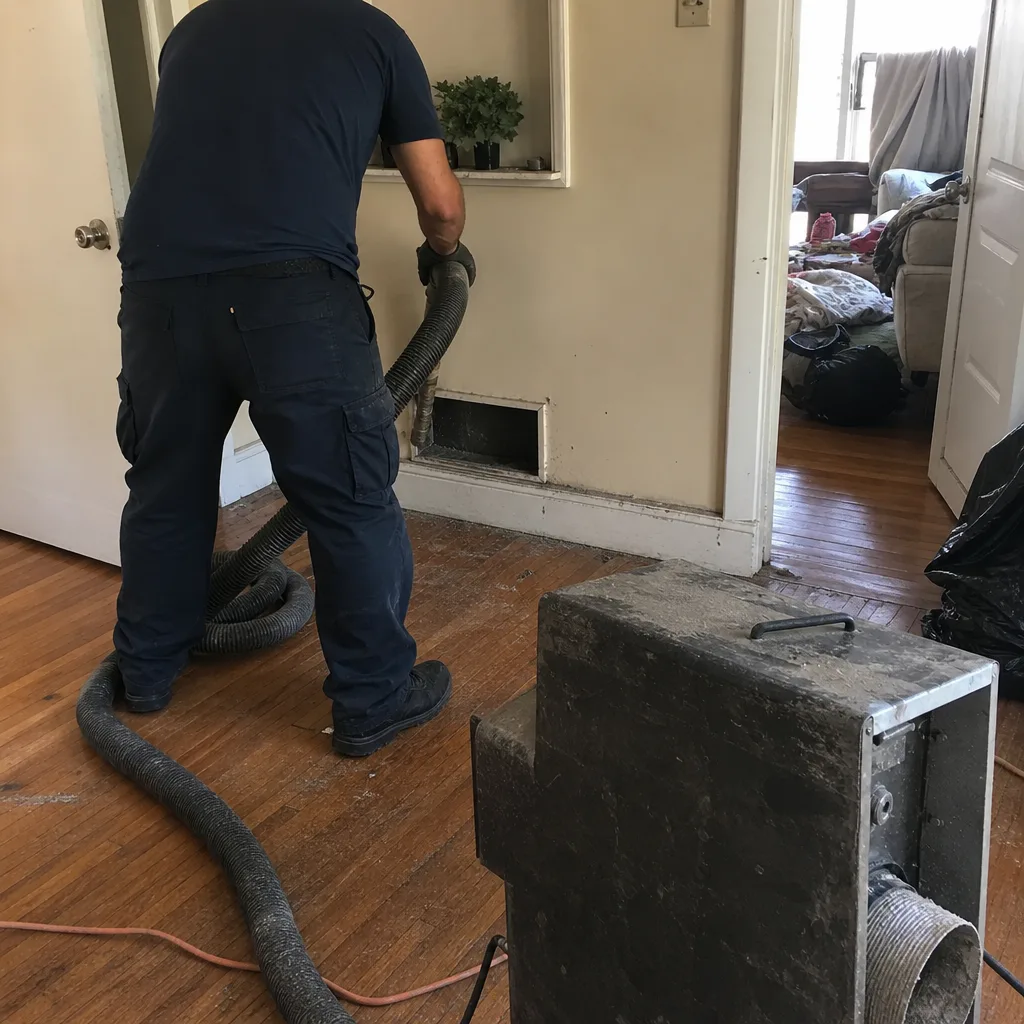
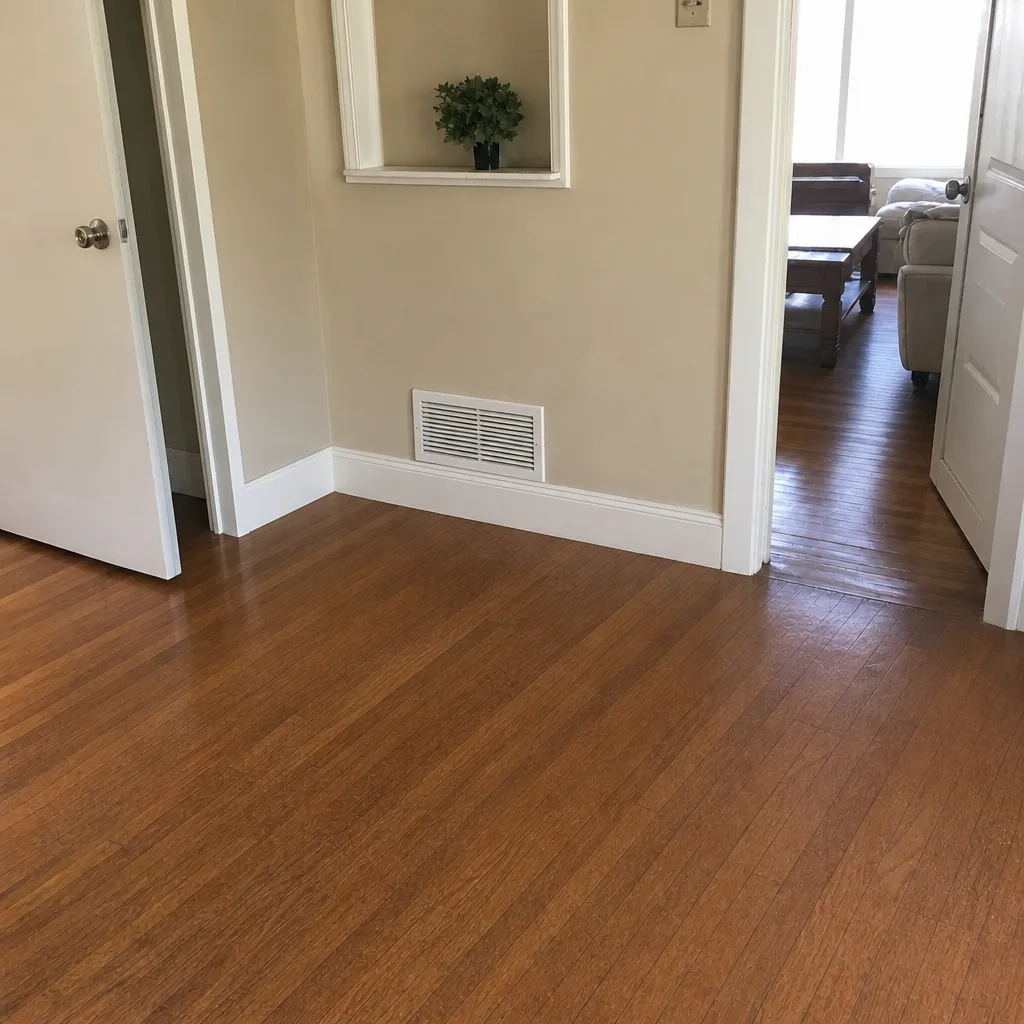
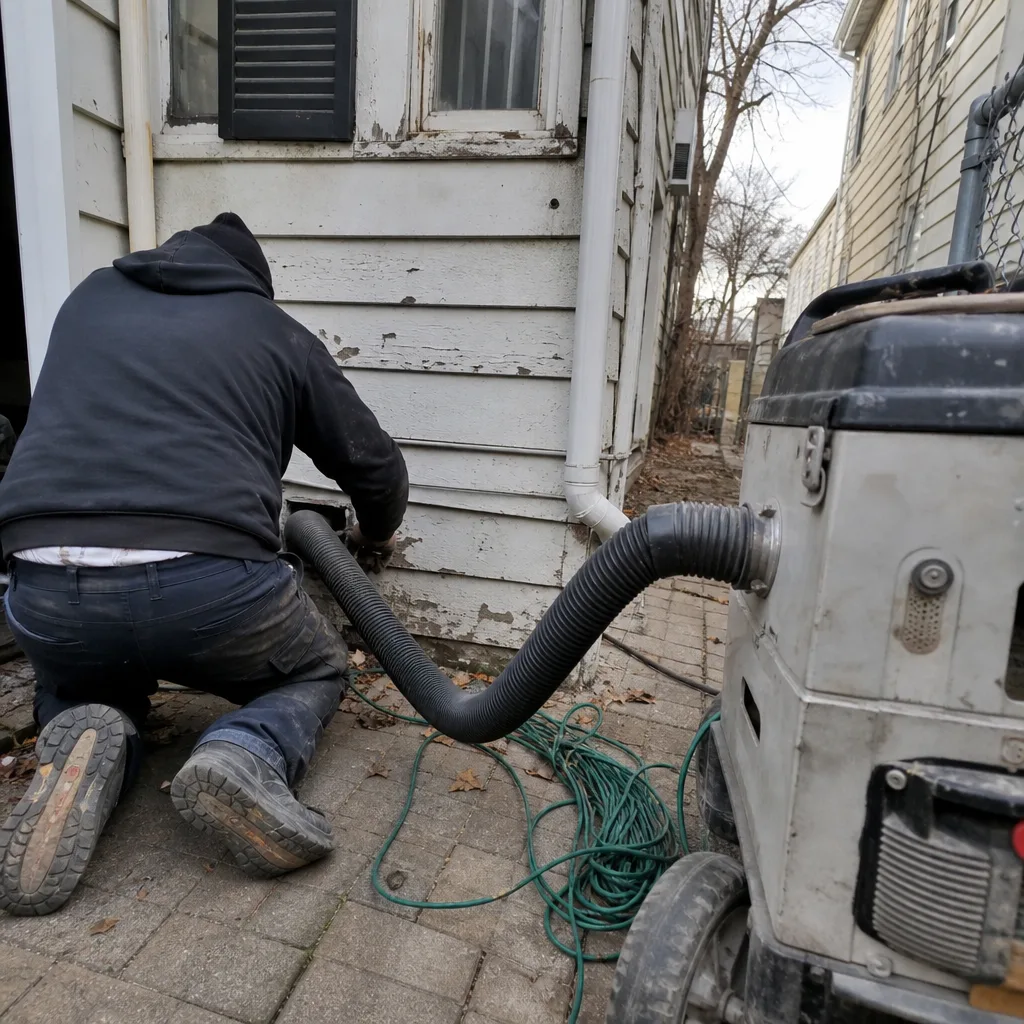
- Verification. Before-and-after photos of the same duct sections are taken and shown. You see what changed, not just what was promised.
How Often South Beach Ducts Really Need Attention
There’s no single schedule that fits every home. Ducts in a South Beach home with two pets, a smoker, or recent renovation debris need attention more often than a two-bedroom condo with a well-maintained filter and a clean HVAC coil. Use a symptom-driven schedule rather than a calendar-driven one. Our general guidance for a typical residential system is roughly every three to five years, with the checkpoints below pulling you in sooner.
- Annually: replace the filter on schedule, check the condensate pan, and look inside one supply register.
- At 1 year: if the home has pets or ongoing renovation dust, a professional inspection is worth it. Cleaning may not be needed yet, but the inspection will catch a failing liner.
- Every 3-5 years: full duct cleaning for a typical home on a regular filter schedule.
- Before any move-in or after any major renovation: cleaning is worth scheduling regardless of the calendar. Construction dust and drywall particles travel deep into the system during a remodel.
- Whenever a musty smell returns: diagnose the source before booking cleaning. The musty smell section above covers how to distinguish the three likely causes.
Dryer vent cleaning sits on a shorter cycle than duct cleaning in most homes, typically once every one to two years depending on laundry volume. It’s a co-scheduled service on many jobs for that reason. For broader context on what cleaning and repair together look like for a South Beach household, our main Air Duct Cleaning South Beach page is the reference.
Common Mistakes to Avoid
- Treating noise and dust as the same problem. A noisy register doesn’t get quieter because someone cleaned the ducts. Noise is a pressure or fitting issue. Dust is a filtration or liner issue. Two separate diagnostics.
- Skipping the filter before calling anyone. A clogged filter mimics an airflow problem across the entire house, and it’s the cheapest fix in the sequence. Replace it first and repeat the hand test.
- Booking cleaning before diagnosing airflow loss. If a duct is separated or collapsed, cleaning the network first wastes the visit and delays the fix. Diagnose, then book the right service.
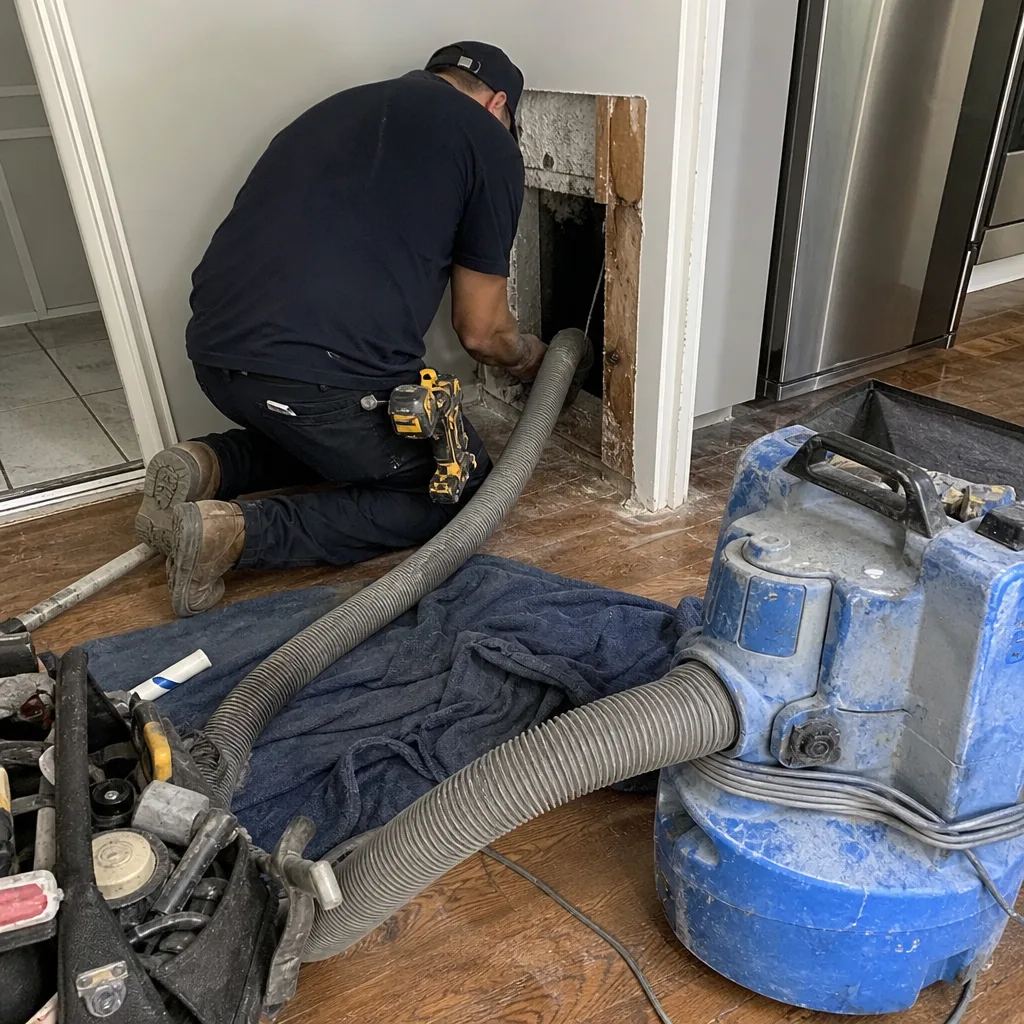
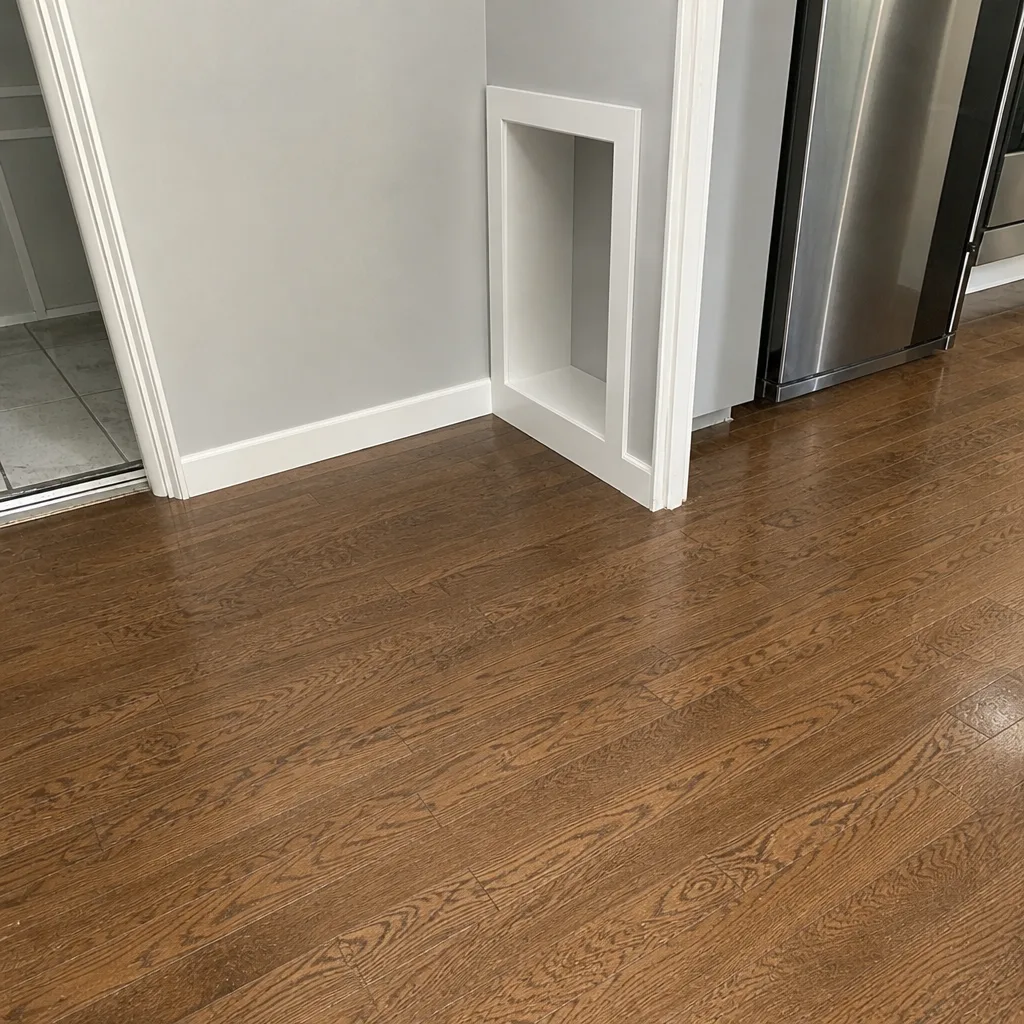
- Accepting a cleaning without before-and-after photos of the same duct sections. A good cleaning is verifiable. Same register, same duct section, before and after. If a company won’t show you what changed, you don’t know what happened.
- Assuming the musty smell is normal. It’s a signal. Mold regrowth, a dirty coil, or a wet pan each need a different fix, but none of them resolve on their own.
- Ignoring the register face as a diagnostic tool. White or yellow fiber dust is not the same as gray household dust. It’s the first warning of flex duct liner failure, which is common in South Beach’s humid air.
- Buying a per-vent price without a written scope. Duct cleaning quotes should be one flat price per system, agreed before work starts. Per-vent pricing is the tell for a low teaser that grows once the technician is on site.
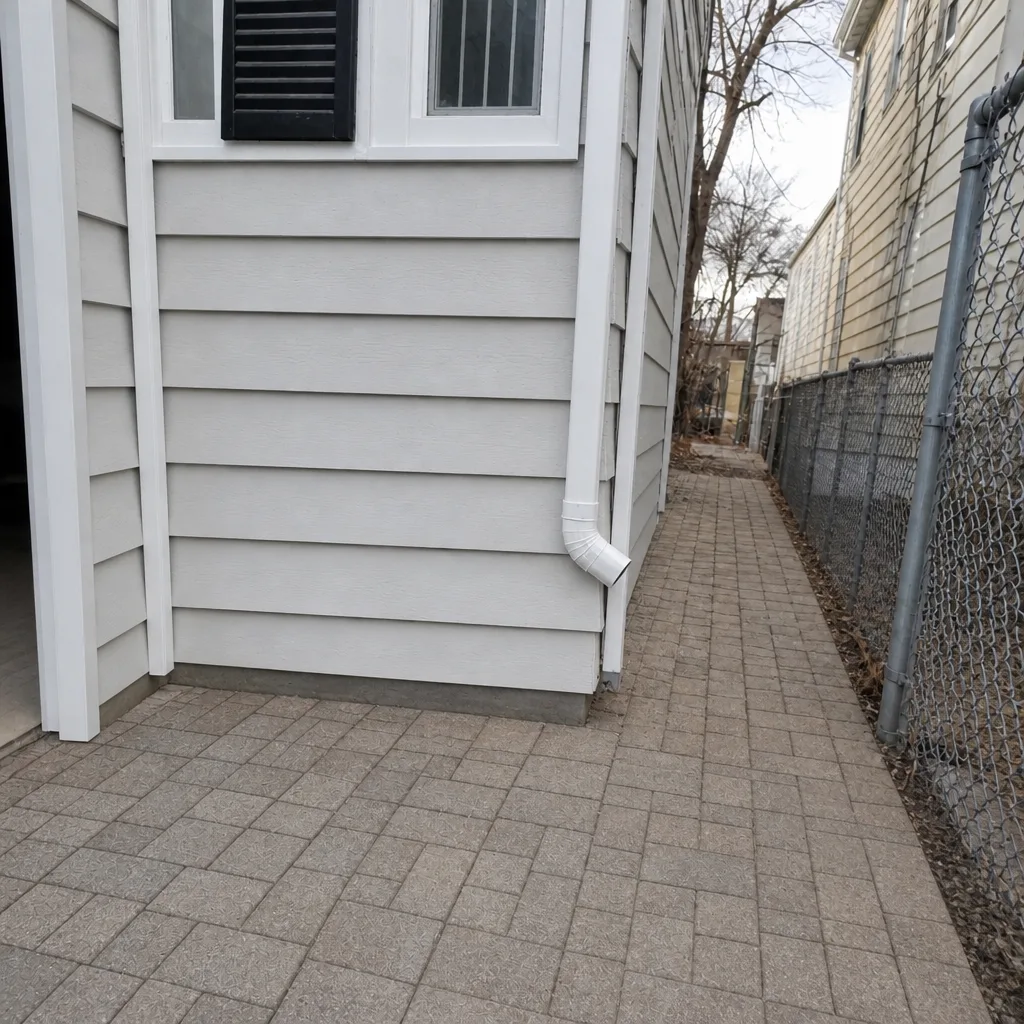
See the difference
 Before
 After
 Before
 After
 Before
 After
When to Call a Professional
Call a technician when you see any of the following. A musty smell that returns within weeks of a cleaning. Visible white or yellow fiber debris at a supply register. Airflow at one register compared to another pointing to a branch failure when the filter is clean and the system is running. A visible tear or flap of liner material inside a register. Rattle that’s clearly coming from the plenum or air handler and won’t resolve after checking the filter. Standing water in the condensate pan or water marks beneath the air handler. Multiple weak registers across the whole house after a filter change. Any of these is an inspection situation, not a cleaning situation.
Air Duct Cleaning South Beach offers free estimates in South Beach. Call (877) 792-7501. We answer 24/7. Fast dispatch from 7am to 7pm, Sunday through Friday. Our technicians have up to 12 years of experience, and the written estimate sets the final price. One flat price per system, agreed before work starts.
Frequently Asked Questions
For a typical residential system, plan on the estimate being set per job based on the number of runs, the accessibility of the air handler, and whether remediation is needed. We don’t quote per-vent pricing and we don’t publish a teaser coupon figure, because both are the standard setup for a much larger invoice once the technician is inside. The written estimate is the price, and before-and-after photos of the cleaned sections are taken before we leave. Call (877) 792-7501 for an exact quote – estimates are free.
A very low quote is usually a surface vacuum of the register faces, not a full mechanical agitation and extraction of every run. Sometimes it’s a per-vent price that grows once the technician arrives and finds out how much actual work is involved. The honest comparison is what equipment the company brings. Rotary-brush extraction with high-capacity vacuum on every run, and Abatement Technologies negative-pressure equipment on contaminated jobs, costs more to run than a shop-vac and a hose. That difference shows up in the price, and in the result. Call (877) 792-7501 if you want a flat, per-system quote on your home.
Ask for before-and-after photos of the same duct sections. A technician working with rotary-brush equipment can show you the same register and the same trunk section before and after the pass. That’s the verifiable proof. Any cleaning without that record leaves you guessing. We take those photos as part of the job, and we show them to you before the equipment comes off the site. Call (877) 792-7501 to schedule.
The most likely causes are mold regrowth from incomplete extraction during the last cleaning, a dirty evaporator coil, or a condensate pan that isn’t draining. Cleaning that leaves moisture behind the liner or on the coil gives mold a foothold in South Beach’s humid summers. Check for the difference: musty smell at the registers plus dark patches inside the duct points to regrowth. Musty smell that appears only when the system runs points to the coil. Standing water under the air handler points to the pan. Call (877) 792-7501 and we’ll diagnose which one you’re dealing with.
No. Duct noise is almost always a pressure or mechanical cause, not a dirt cause. Rattle at the plenum, whistle at a single register, and booming at startup point to loose fittings, dampers, or an undersized return. The one exception is a loose or torn liner flap inside a duct, which can rattle. Cleaning won’t fix the fitting, the damper, or the return sizing. Call (877) 792-7501 if you want the noise diagnosed before deciding on any service.
For a typical home with a well-maintained filter and no pets or recent renovation dust, every three to five years is a reasonable baseline. Homes with pets, smokers, or heavy renovation dust often warrant an inspection every year. And regardless of the calendar, any musty smell or visible liner debris at a register is a call-now trigger, not a schedule item. Call (877) 792-7501 – we’ll inspect and tell you what your system actually needs.
The Bottom Line
Duct problems cluster into four families: odor, airflow loss, noise, and visible debris. Each one points to a different failure type, which is why treating them as a single “dirty ducts” problem wastes time and money. The hand test lets you isolate whether the issue lives at the air handler or on a branch. White or yellow fiber dust at a register means the liner is failing, not that the duct is dusty. A musty smell that comes back after cleaning points to mold regrowth, a dirty coil, or a wet pan. When the diagnostic shows separation, collapsed liner, or damaged insulation, cleaning isn’t the fix. Repair and sealing come first, then cleaning. And when in doubt, one call to a technician who brings the right equipment saves three visits from a company that doesn’t.
Call (877) 792-7501 for a free estimate. We answer 24/7. Fast dispatch from 7am to 7pm, Sunday through Friday. One flat price per system, agreed before work starts, with before-and-after photos of your own ducts. Our technicians have up to 12 years of experience, backed by Rotobrush, Nikro, Honeywell, Aprilaire, Guardsman, and Abatement Technologies equipment.
Written by the team at Air Duct Cleaning South Beach.