
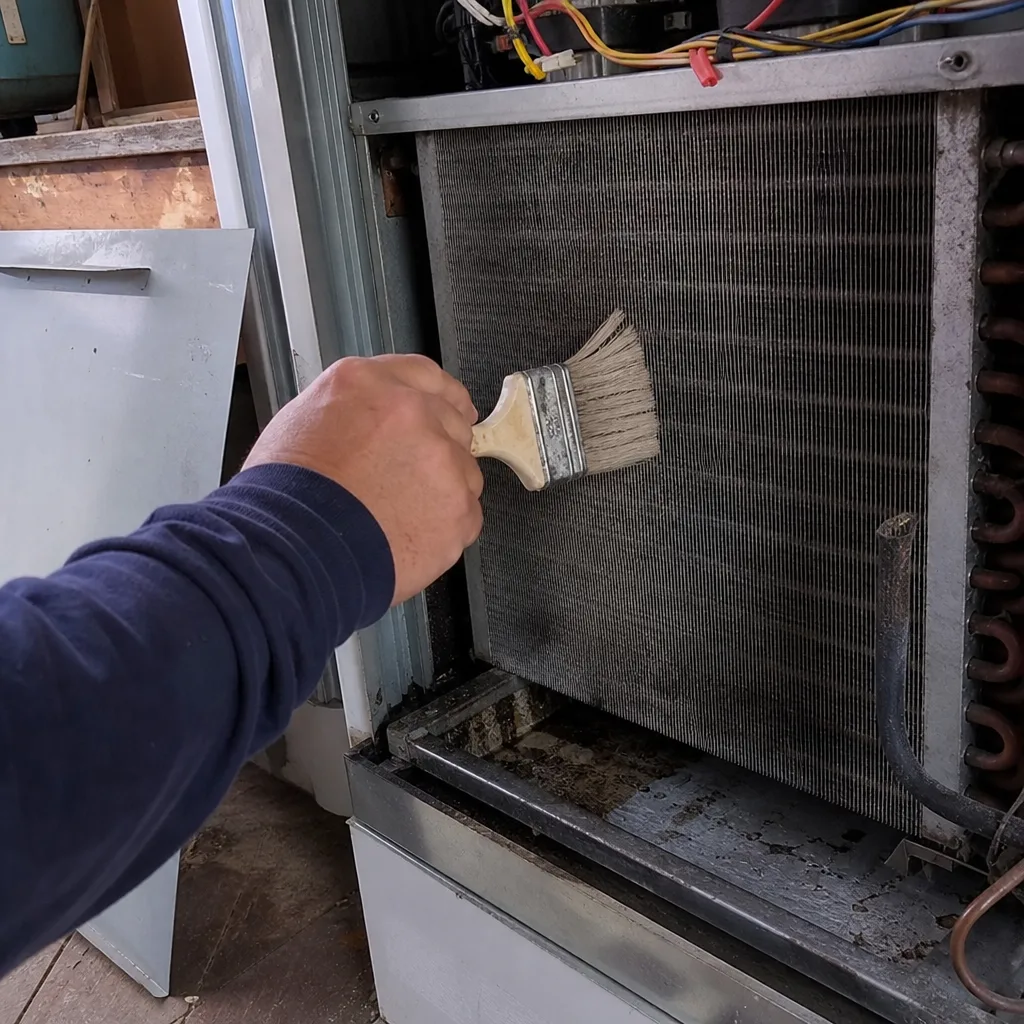
Last updated November 24, 2026
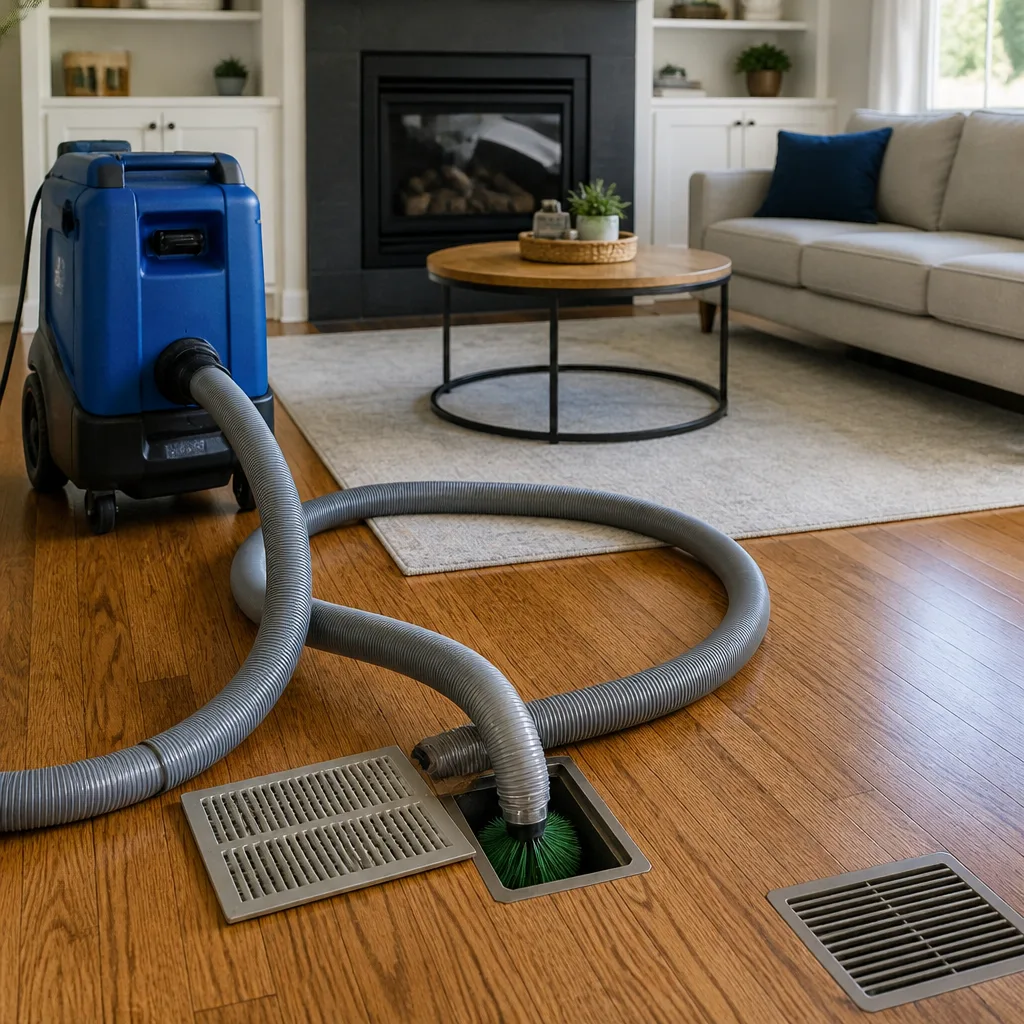 Whole-home duct cleaning
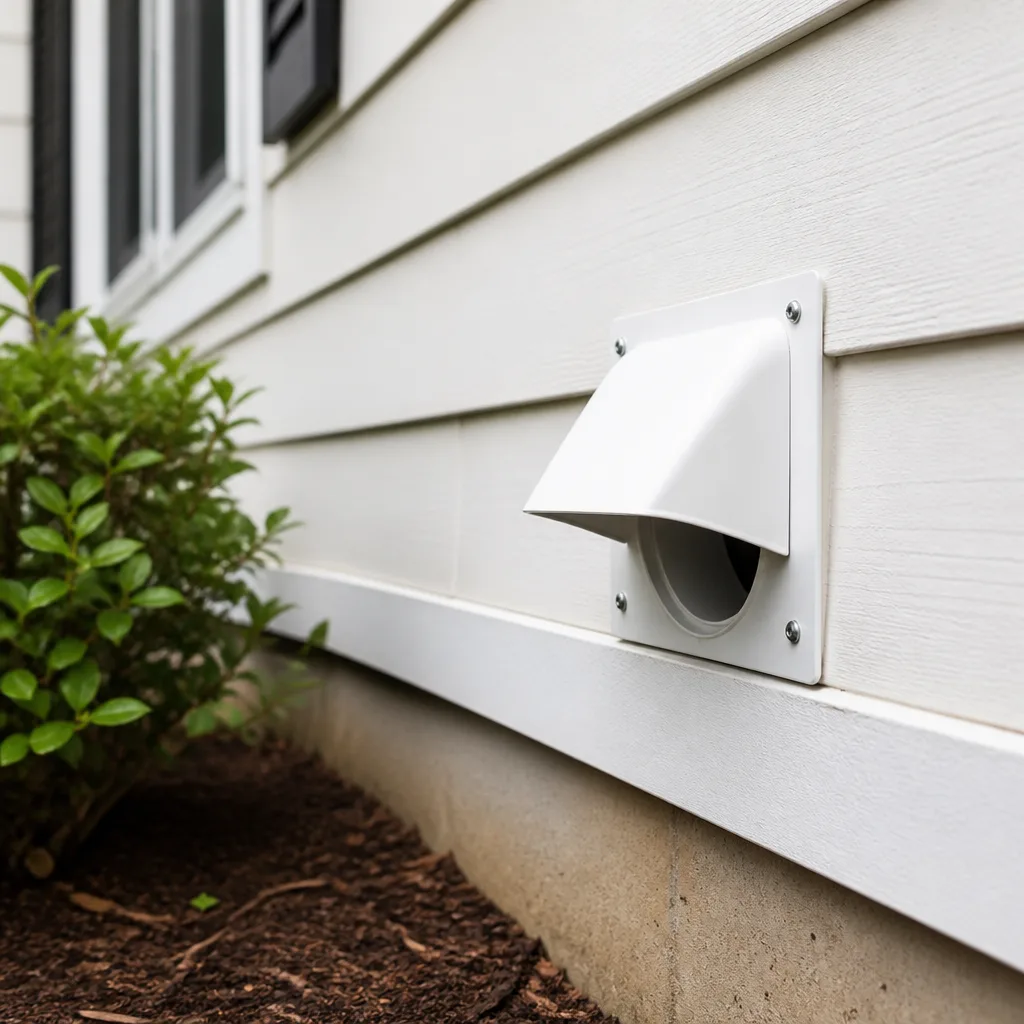 Dryer vent cleaning
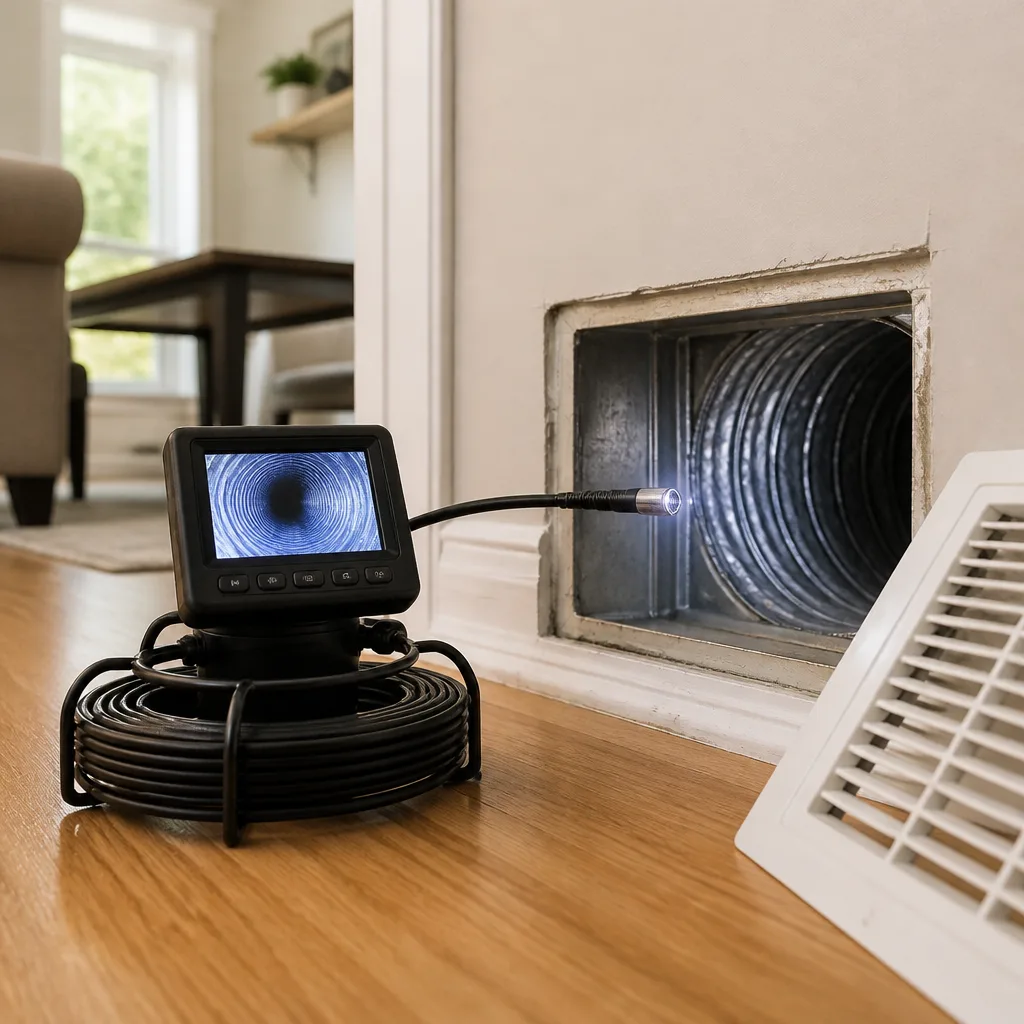 Camera inspection
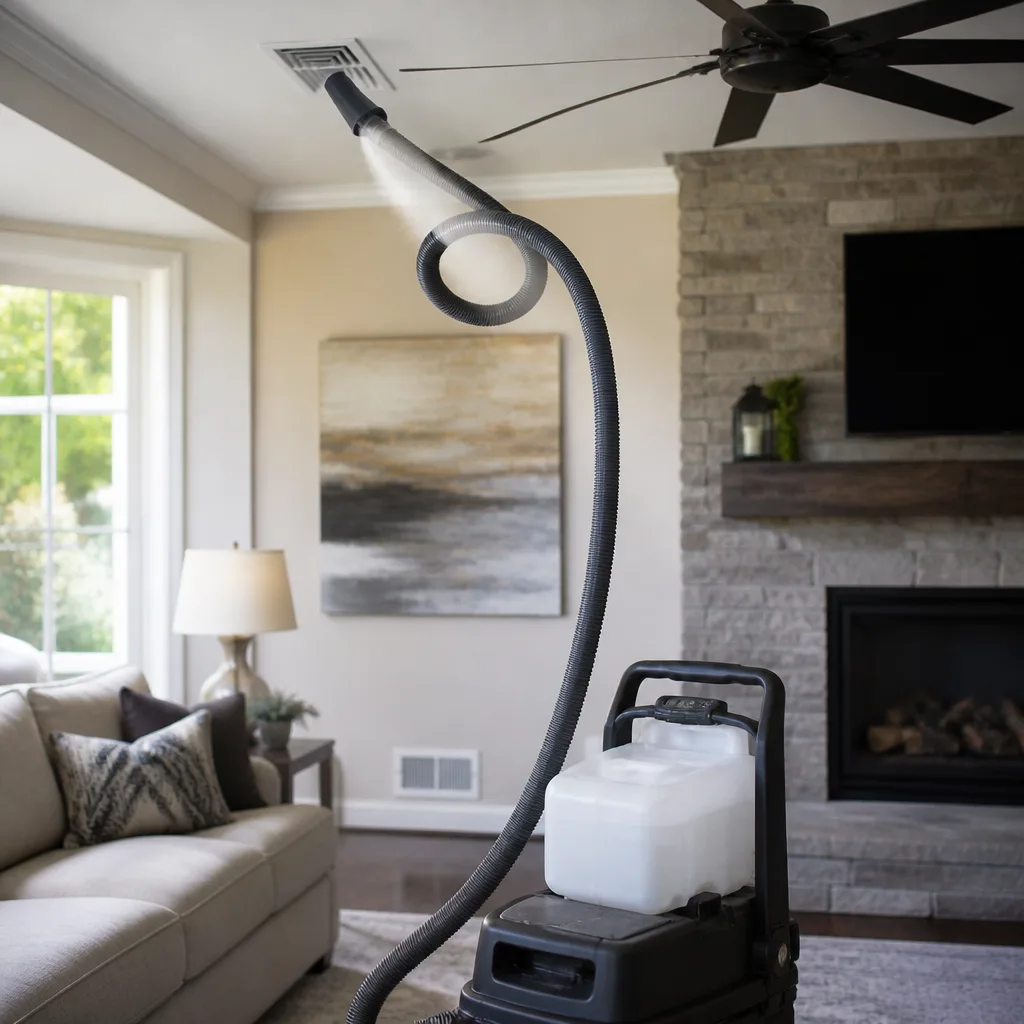 Sanitizing & deodorizing
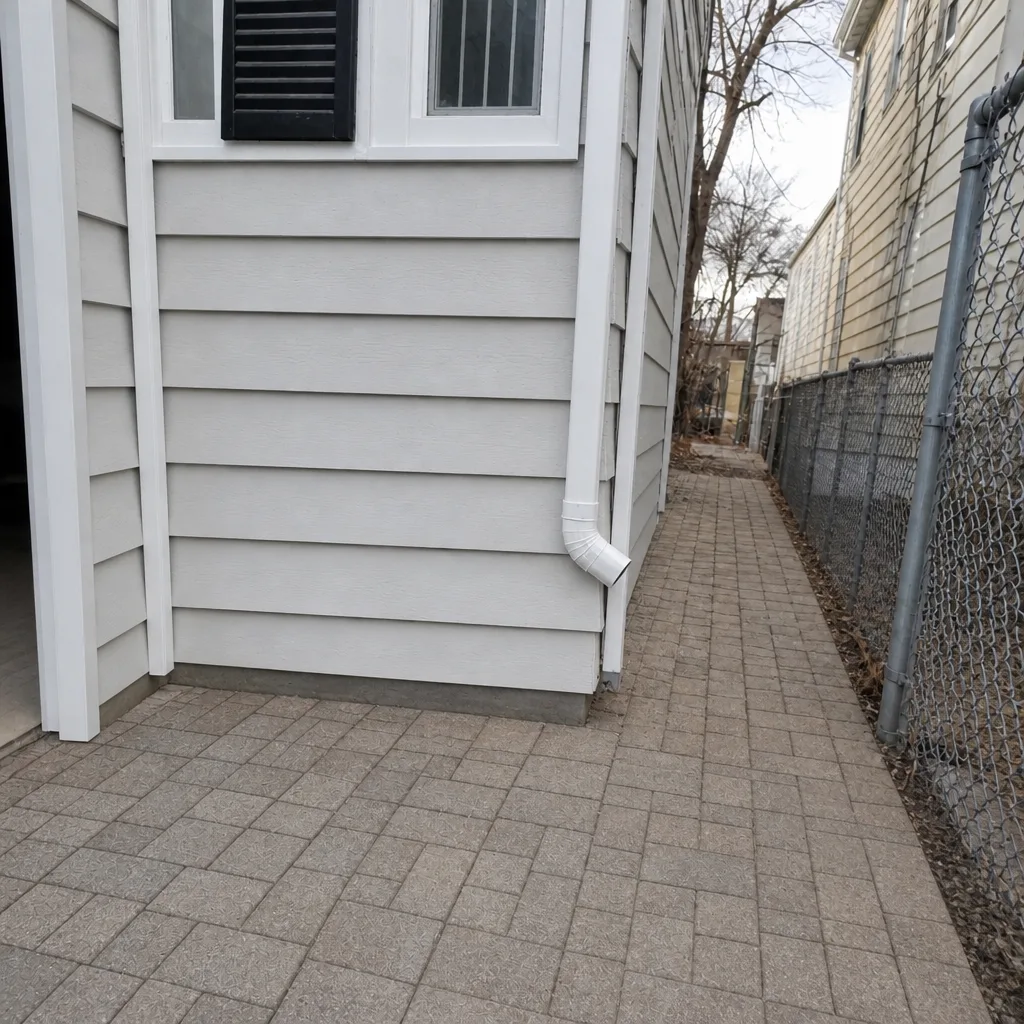
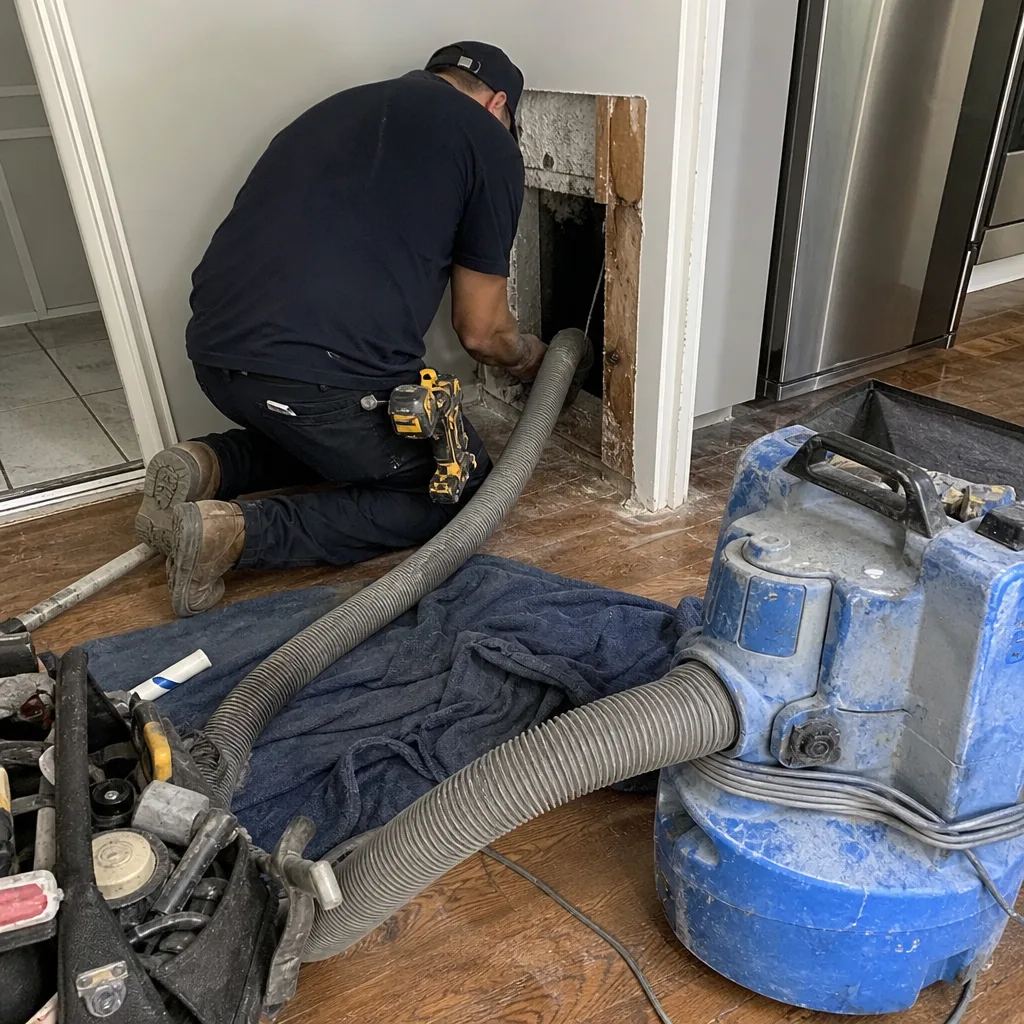
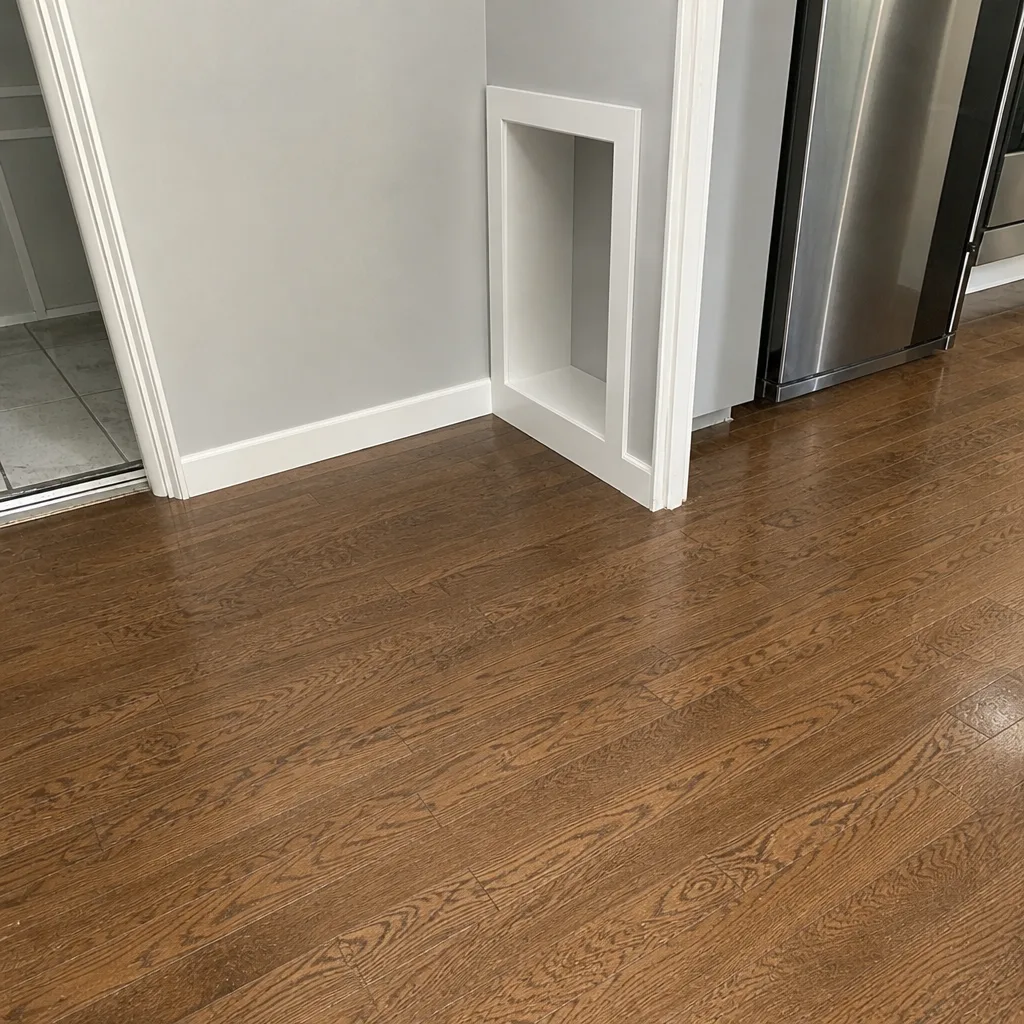
Whole-system duct and dryer vent check with before-and-after photos - you see exactly what came out of your vents
That "$99 whole-house special" is a bait ad - the real number appears once they are in your hallway, or the "clean" is a shop-vac at the register. We photograph the inside of your ducts before and after instead.
Air Duct Cleaning Warning Signs: A South Beach Homeowner’s Reference Guide
Most guides to duct problems point at the obvious: a dust film on the furniture, a register blackened with grime, a filter you can see daylight through. By the time those appear, the problem inside the duct system has usually been running for a while. The earlier signals are quieter. A register in one bedroom that never quite keeps up with the rest of the apartment. A faint smell that shows up only when the air handler kicks on. A summer electric bill that climbed without anyone changing the thermostat.
South Beach is a dense, mostly pre-war and mid-century building stock with a mix of central systems, PTAC units, and retrofitted ductwork, and the way duct problems show up here doesn’t always match what you’d read in a generic national guide. What follows is a reference for reading those signals yourself before anything becomes visible. We’ll cover what each sign actually means inside the duct, how to tell a dirty filter from a dirty system, and when it’s worth getting eyes and equipment on the ducts.
Quick Answer
The warning signs of a duct system that needs cleaning or repair are uneven airflow between rooms, musty or sour smells that appear when the system starts, condensation on registers in summer, rising utility bills without a usage change, and dust that reappears quickly after cleaning. Any one of these on its own is worth investigating. Two or more together is a strong indicator that something is happening inside the ductwork itself, not just at the filter or the equipment.
Styles & brands we work with
- Whole-home duct cleaning
- Dryer vent cleaning
- Camera inspection
- Sanitizing & deodorizing
Table of Contents
- Uneven Airflow Between Rooms: What It Reveals Inside the Duct
- Condensation on Registers in Summer: An Insulation Signal
- Rising Utility Bills Without a Usage Change
- Reading the Smell: Mold, Dust, and Pest Activity Have Different Profiles
- Dirty Filter or Dirty Duct System? How to Tell the Difference
- Dust That Comes Back Within Weeks
- The Warning Sign Most Homeowners Overlook: The Dryer Vent
- What Professional Equipment Actually Finds
Uneven Airflow Between Rooms: What It Reveals Inside the Duct
A room that’s always a few degrees off is the most common early signal we hear about in South Beach, and it’s also the one homeowners most often blame on the equipment. Sometimes they’re right. But when one register pushes noticeably weaker air than the others on the same system, and that pattern stays consistent across seasons, the cause is usually downstream of the air handler.
There are three common physical explanations, and they feel different to a technician who puts equipment on the system:
- A collapsed or disconnected flex run. Flexible duct has a tendency to sag, kink, or pull loose from a boot or collar, especially in tight attic and soffit runs. The result is a run that’s technically still connected but delivering a fraction of the air it should.
- Blockage from debris or a foreign object. Renovation dust, insulation, and the occasional object dropped or pushed into a register can narrow a branch.
- A damper stuck closed or partly closed. Zoned systems and older manual dampers can seize in position, starving one branch while the rest of the house cools fine.
You can test uneven airflow without any tools by holding a tissue or a hand lightly across each register while the system runs and comparing the pull or push. What matters is the pattern. If the weak register is always the same register, in every season, that’s a branch problem rather than an equipment problem. If every register feels weak, the equipment itself may need attention first.
South Beach homes with exposed brick walls and soffit-routed duct runs are especially prone to the sagging-flex scenario, because those runs sit in unconditioned or lightly conditioned spaces with little room to support them properly. A quick look where accessible will usually settle the question.
Condensation on Registers in Summer: An Insulation Signal
Condensation on a register in July is often read as a “humidity problem,” but in most cases it’s telling you something more specific: the supply duct is cold, the register is cold, and the surrounding air is warm and humid enough to hit the dew point on the metal surface. The metal isn’t the problem. The insulation around the duct usually is.
Here’s how to interpret what you’re seeing:
- Light condensation on one register only. Points to a break in the duct insulation jacket or a gap at the boot, often near the register itself. Cold air escapes into the wall cavity or gets close enough to the register face to chill it below the dew point.
- Condensation on multiple registers on the same branch. Points to a longer insulation failure or a run that’s lost its jacket in the attic, soffit, or wall chase.
- Condensation plus visible water stains on the ceiling or wall near the register. The cold air is condensing on a building surface. Worth investigating promptly, since prolonged moisture on drywall or plaster invites mold.
South Beach’s summer humidity makes this an especially reliable signal here. A system that handled a dry-climate summer without a drip can show condensation the moment a duct jacket fails, because the air outside the duct is warmer and more humid than it would be in a drier market. If you’re seeing the same register sweat every summer, that’s not the weather’s fault.
Rising Utility Bills Without a Usage Change
A bill that climbs while your habits stay the same is one of the quietest duct warnings there is. The instinct is to blame the air conditioner itself, or the rates, or the summer. All three can be real. But a leaky, disconnected, or under-insulated supply duct system wastes a share of the air you paid to cool, and that waste shows up as a bill increase with no change in the thermostat, occupancy, or appliance use.
Here’s a rough way to reason about it. A supply duct that’s lost its connection to a boot isn’t delivering cooled air into your room; it’s delivering it into a wall cavity or attic. The system runs longer to bring the rooms to temperature, the compressor cycles more often, and the bill moves up before anything else is noticeable. You don’t feel the waste until the equipment’s lifespan starts closing. This is why air duct cleaning is often paired with an inspection of the duct joints and insulation rather than done alone.
The signal that separates duct leakage from a failing air conditioner is behavior. If the system is running its usual cycles, keeping up reasonably well in most rooms, and the bill is climbing, leakage is the first thing to rule out. If the system is short-cycling, blowing warm air, or failing to hold temperature at all, the equipment needs a look first.
Filtration and airflow hardware matter here, too. Homes with a Honeywell or Aprilaire media filter cabinet installed correctly tend to hold system pressure and airflow better than homes with a cheap pleated filter crammed into the return grille, which reduces the work the system has to do to move the same air. When a filter cabinet is undersized or the filter hasn’t been changed in a season, that can imitate the symptoms of duct leakage until the filter is properly sorted out.
Reading the Smell: Mold, Dust, and Pest Activity Have Different Profiles
Not all duct smells are created equal, and the specific character of the smell, where it appears, and when it shows up tells you a lot about the likely cause. Learning to recognize the difference before calling anyone makes the eventual inspection faster and more useful.
Mold and mildew. Earthy, musty, sometimes sour. Appears when the system first starts and fades as the system runs, because the moisture sits on surfaces until airflow dries them. Almost always concentrated in one zone or one branch, not the whole house. Mold needs moisture, and inside a duct system that moisture almost always comes from condensation on a cold surface or a duct run through a damp space.
Dust and dry debris. A dry, dusty, “old basement” smell, sometimes with a slight metallic note. Usually strongest at initial startup and again at shutdown. Often the smell of accumulated dust burning off the heat exchanger or blowing across a return, and it tends to be more uniform throughout the house than mold.
Pest activity. Sharper and more distinct. Rodent smell is musky and lingering. Droppings and nesting material produce a smell that doesn’t fade with airflow the way mold does. If the smell is in one specific register and doesn’t follow the “first ten minutes of runtime” pattern, a duct inspection for pest entry is worth scheduling before anything else.
Chemical or solvent smell. Not a duct cleaning issue, a safety issue. If you smell what seems like fuel, solvent, or refrigerant, shut the system off and call a technician immediately.
In our experience, most “musty smell from the AC” calls in South Beach resolve to moisture sitting at a supply boot or return plenum where condensation has been collecting, often because of an insulation failure. That’s a repair, not just a cleaning, and it’s why HVAC cleaning and duct repair are worth doing together rather than as separate visits.
Dirty Filter or Dirty Duct System? How to Tell the Difference
Almost every “my ducts are dirty” complaint is first experienced as a filter problem. That’s because a filter is easy to check and easy to replace, so homeowners change it, feel better, and stop there. Sometimes that was the answer. Often it wasn’t, and the filter was carrying the load for a duct system that needs real work.
The clearest test is timing. Work through this in order:
- Change the filter. Note the date you changed it.
- Check the new filter after two weeks. A new filter picking up a light dust film after two weeks of normal use is doing its job. A new filter that’s noticeably gray or loaded after two weeks is receiving more dust than it was designed for, and the source is usually upstream of the filter, in the returns or the duct runs.
- Look at the return grilles, not the supply registers. Return grilles pull air into the system and tend to collect dust visibly first. If the returns are dark and dusty again within a month of cleaning, the source is inside the system.
- Check one register’s inside boot if accessible. A clean boot with a dusty filter points to typical wear. A boot with visible debris, staining, or a musty film points to the ducts.
If a filter change solves the problem for months at a stretch, you don’t have a duct problem. If it doesn’t, then a duct inspection is the next honest step, and the technician should bring equipment that can actually see and evacuate what’s inside the runs, not just suction at the registers. That’s the difference between a routine maintenance visit and a real diagnosis.
Dust That Comes Back Within Weeks
Dust returning to surfaces within a few weeks of cleaning is a warning sign most homeowners misread as “the cleaning didn’t work.” Sometimes that’s true. More often the ducts were cleaned but the system is re-contaminating itself, because the return path is drawing in attic dust, the filter cabinet is undersized, or a joint has opened and is pulling airborne debris from a wall cavity into the airstream.
Two patterns help you sort this out honestly:
- Dust on horizontal surfaces only, near registers. Classic sign of supply-side debris blowing out. Usually a dirty supply branch, a loose boot, or dust sitting in the register chase.
- Dust everywhere, evenly distributed. More likely a housekeeping or filtration issue, or return leakage pulling from the attic or a mechanical room.
If you suspect re-contamination, the repair depends on what the inspection finds. Sealing the joints, restoring the filter cabinet sizing, or in some cases running a longer filtration media, are all on the table. A quality dryer vent cleaning appointment can also clear the dryer exhaust run and reduce the fine household lint that contributes to the dusty atmosphere in tight South Beach apartments, which is a small but real contribution to the story.
The Warning Sign Most Homeowners Overlook: The Dryer Vent
The dryer vent is technically part of the same household air network, and the signals that it needs cleaning have a lot in common with duct warning signs. Slower drying times. Lint collecting behind the dryer. A warm or humid laundry area that didn’t used to feel that way. Heat transferring to the wall behind the dryer.
These are the same symptoms duct-cleaning companies get called for, but dryer vents don’t get the same attention, and the consequences of neglect are starker. A clogged dryer vent is a fire risk, not just an efficiency issue, and a lint-clogged run in a tight apartment stack can reach temperatures that weaken the flexible duct material over time. It’s why we offer dryer vent cleaning as a co-scheduled service rather than sending it out.
The signs worth acting on:
- Clothes taking noticeably longer to dry, or needing a second cycle.
- Lint visible between the back of the dryer and the wall.
- A warm or sticky laundry space even when the dryer isn’t running at the moment.
- A flap on the outside vent that doesn’t lift cleanly when the dryer runs.
- Any smell of scorching or hot lint.
If you’re already booking a duct appointment, adding a dryer vent inspection uses the same visit and the same equipment. Most homeowners never think to ask; the ones who do usually find lint accumulation worth removing.
What Professional Equipment Actually Finds
The reason to insist on real equipment when you call is not that a cheap crew can’t start the job; it’s that a cheap crew can’t finish it and can’t diagnose what they find. Ductwork is not a simple pipe. It has branches, transitions, collars, plenums, coils, and the air-handling equipment itself. Detecting the subtle signs above requires both visual access and the ability to agitate and evacuate debris from surfaces the eye can’t reach.
Rotary brush and negative-pressure extraction equipment of the kind we use, including Rotobrush and Nikro systems, does two things a shop vacuum cannot. It agitates the duct surfaces mechanically, which lifts adhered debris from the walls (rather than just skimming the airstream), and it holds the working chamber under negative pressure, which prevents the dislodged debris from escaping into the space being cleaned. That second half is what most of the cheap-visit horror stories are missing.
For jobs that involve contamination (mold, pest residue, or a duct run that’s been wet), we bring Abatement Technologies equipment into the mix so the containment and evacuation are handled the same way a commercial contractor would handle them. And when the inspection turns up a filtration problem rather than a contamination problem, we stock and install Honeywell and Aprilaire products, so the fix and the filter cabinet come from the same brand line that runs the system.
What this looks like for the homeowner is a real diagnostic answer, not a coupon visit. If you want to read more about how a full job is scoped, our main page on Air Duct Cleaning South Beach goes into more detail on the process.
Common Mistakes to Avoid
- Blaming the air conditioner for what a duct inspection would explain. Uneven airflow and rising bills send a lot of homeowners to HVAC repair calls that end with “your ducts need attention first.” Check the duct side before ordering repair work.
- Assuming a musty smell is the AC coil. Coil clogs can smell musty, but so can a single contaminated branch. If the smell appears only when the system starts and concentrates in one area, the coil is probably not the source.
- Changing the filter every month as the only fix. If a fresh filter is loaded within two weeks, the filter is doing more work than it should. That’s a system signal, not a filter signal.
- Ignoring condensation on registers in a South Beach summer. Sweaty registers in other markets are a nuisance; in a dense apartment here they’re an early warning for duct insulation failure that can lead to moisture damage and mold behind the wall.
- Booking the cheapest duct “special.” If the quote is a fixed price without an inspection, you’re paying for suction at the registers and not much more. Ask what equipment will be used and whether the ducts will be inspected before work.
- Skipping the dryer vent because “it doesn’t seem urgent.” Dryer vents don’t fail gradually; they fail suddenly, and the warning signs are easy to overlook because they feel like dryer problems.
- Treating cleaning and repair as separate problems. A clean duct system with an open joint recontaminates itself. If the inspection finds joints, boots, or insulation that’s failed, repair and cleaning belong on the same visit, not two separate ones.
See the difference
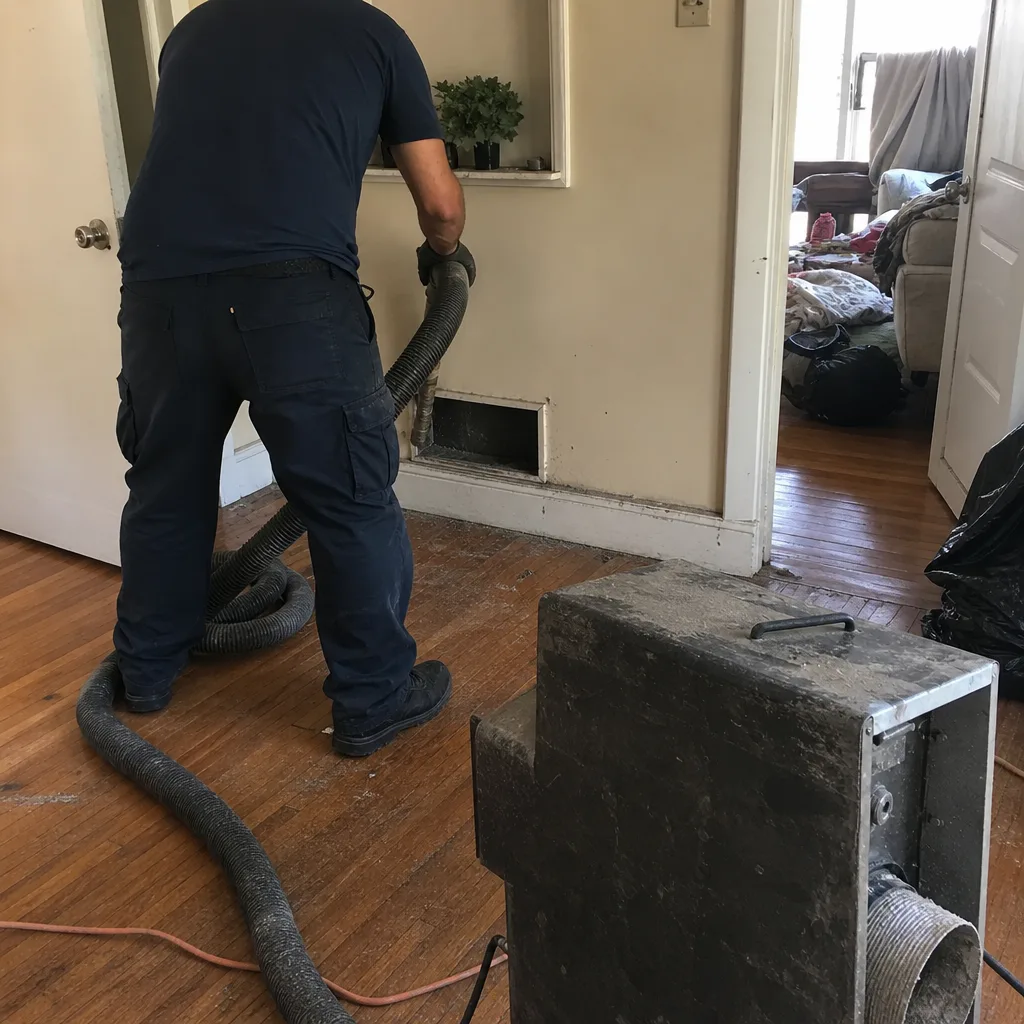 Before
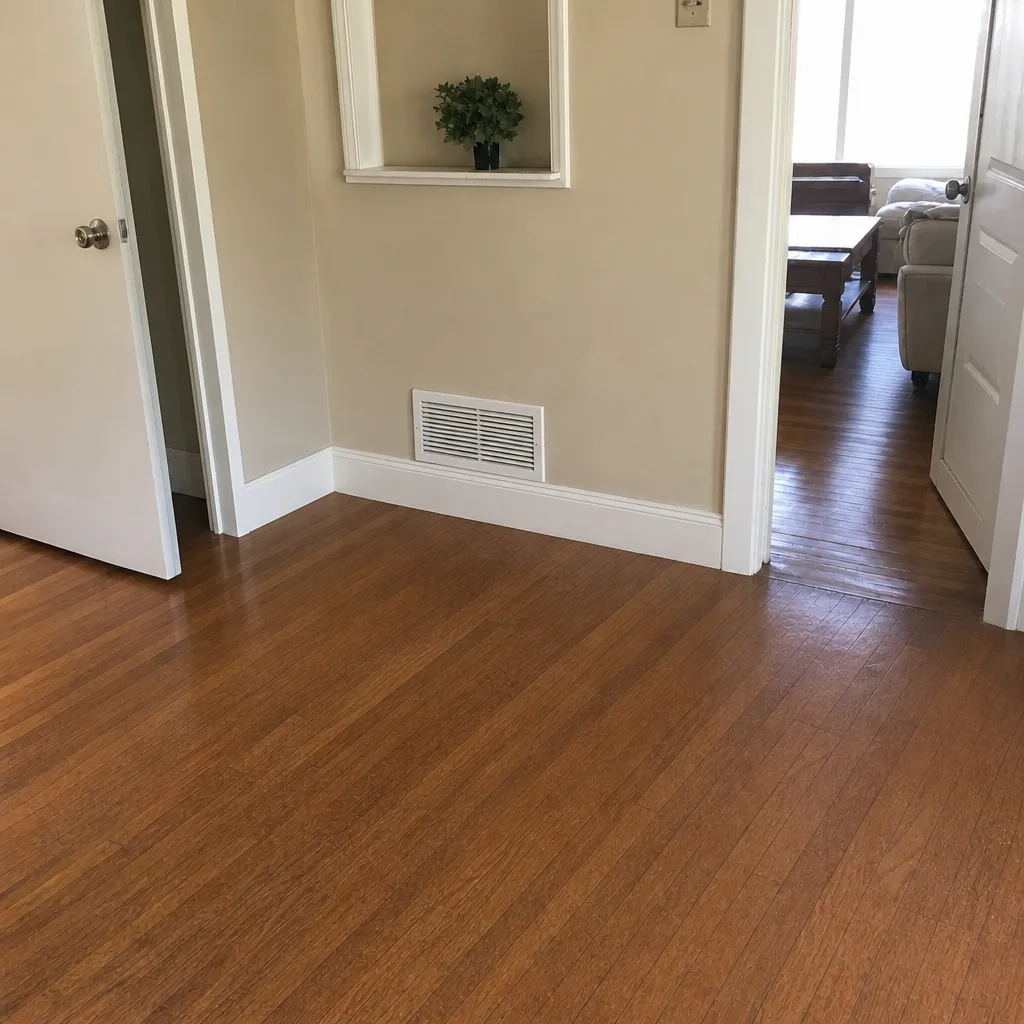 After
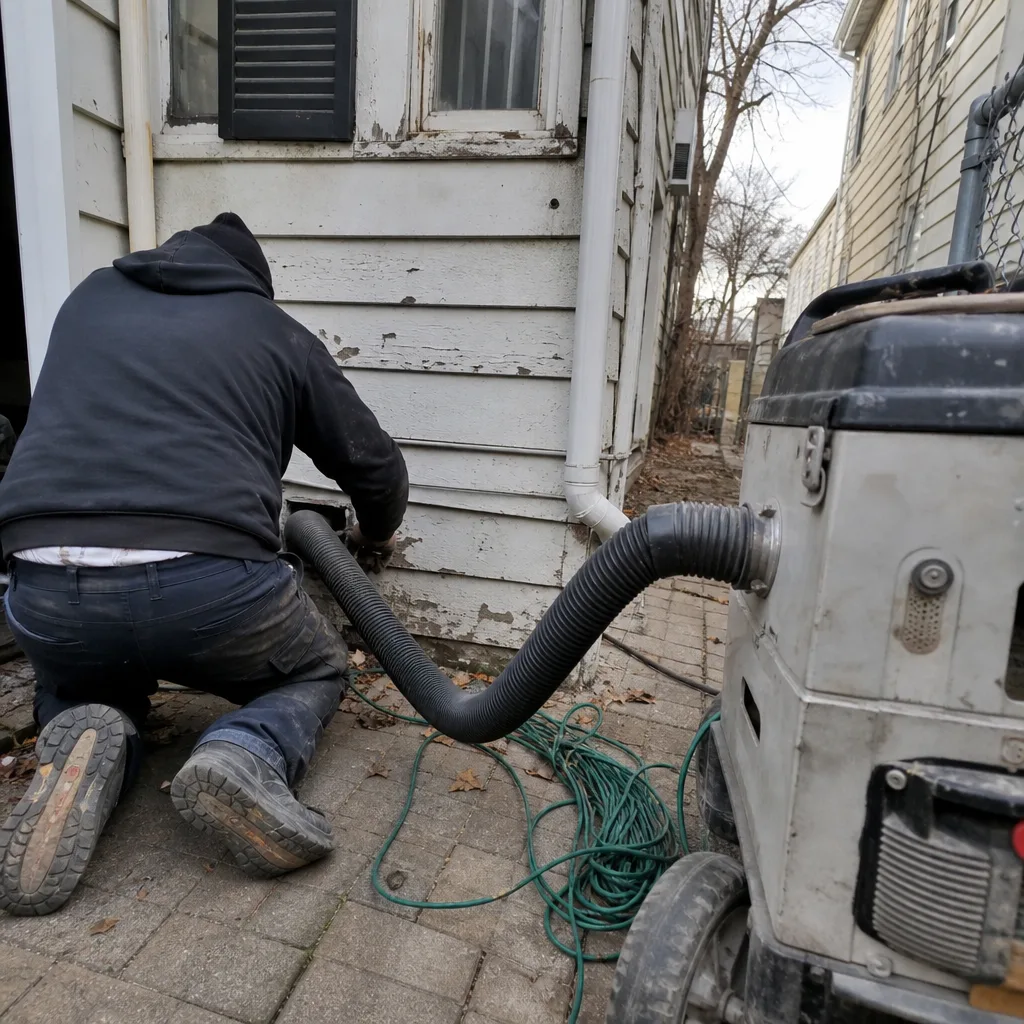 Before
 After
 Before
 After
When to Call a Professional
Call a professional when two or more of the warning signs above appear together, when you smell mustiness that only shows up when the system starts, when a register condenses every summer, or when a fresh filter loads up inside a couple of weeks. Also call if the dryer is taking noticeably longer to dry clothes, or if the vent flap on the outside of the building doesn’t clear when the dryer runs.
If the signal is a single register that’s always weaker than the rest, an inspection is still the right move, because it settles whether you’re looking at a collapsed run, a stuck damper, or an equipment issue before you spend anything on the wrong repair. The earlier the inspection, the smaller the repair list usually is.
Air Duct Cleaning South Beach offers free estimates in South Beach, and the written estimate sets the price before any work starts. Call (877) 792-7501 to book an inspection. We answer 24/7. Fast dispatch from 7am to 7pm, Sunday through Friday. Our technicians have up to 12 years of experience and bring Rotobrush, Nikro, and Abatement Technologies equipment to the visit.
Frequently Asked Questions
The most reliable early sign is uneven airflow between rooms that stays consistent across seasons. A single register that’s always weaker than the others on the same system usually means a branch problem (a collapsed run, a blockage, or a stuck damper), not an equipment problem. If that pattern is there, a duct inspection will settle the question quickly. If it’s accompanied by a musty smell at startup or condensation on the register in summer, the case for inspection is even stronger.
It’s usually the duct, in the branch serving that room. A smell that appears when the system starts, concentrates in one room or zone, and fades as the system runs is almost always localized moisture on a duct surface or a boot that’s been collecting condensation. When the smell is uniform throughout the house, or persists regardless of whether the system is running, an AC coil inspection is a reasonable next step instead.
For most South Beach homes, a duct inspection every few years is reasonable; cleaning is indicated when inspection finds contamination, a bio-growth problem, or a repair that requires cleaning afterward. Some homes with pets, recent renovations, or smokers benefit from more frequent inspection. If the warning signs above aren’t present, you likely don’t need cleaning as a routine.
You should be cautious with any duct cleaning offer that’s quoted without an inspection. A guaranteed price with no inspection almost always means suction at the registers and no real work inside the ducts. Ask what equipment will be used, whether the ducts will be inspected, and whether the price is fixed per system or per vent. If you can’t get clear answers to those questions before booking, the offer is worth skipping. Call (877) 792-7501 for an estimate on a properly scoped job.
Yes. Condensation on a register is caused by the register face or nearby duct surface being colder than the surrounding humid air. That means either the insulation around the duct has failed (most common) or the air handler is running the system colder than the duct was designed for. Either is worth investigating, and both can be inspected without major work.
Yes. Dryer vent cleaning is one of our standard service categories and can be co-scheduled with a duct appointment, which uses the same visit and the same equipment. If the dryer has been taking longer to dry clothes, that’s exactly the appointment to book. Call (877) 792-7501 to schedule both together.
The Bottom Line
The signs worth reading first are the ones you can see from the living room without equipment: a register that’s always weaker, a smell that appears when the system starts, condensation on a register in a South Beach summer, a bill that creeps up on stable habits, dust that returns quickly after cleaning, and a dryer that takes noticeably longer to dry. Any one of these is worth investigating. Two or more together point to a real duct issue that a proper inspection can find and fix.
What makes the difference between a useful inspection and a coupon visit is the equipment and the process. Rotary brush extraction, negative pressure on the working chamber, and containment equipment that can handle contamination are the tools that turn “I think my ducts are dirty” into an answer you can act on. If you’ve recognized your home in this guide, that’s the visit to book.
Call (877) 792-7501 for a free estimate from Air Duct Cleaning South Beach. We answer 24/7. Fast dispatch from 7am to 7pm, Sunday through Friday. Estimates are free, one flat price per system is agreed before work starts, and your written estimate sets the final price.
Written by the team at Air Duct Cleaning South Beach.