
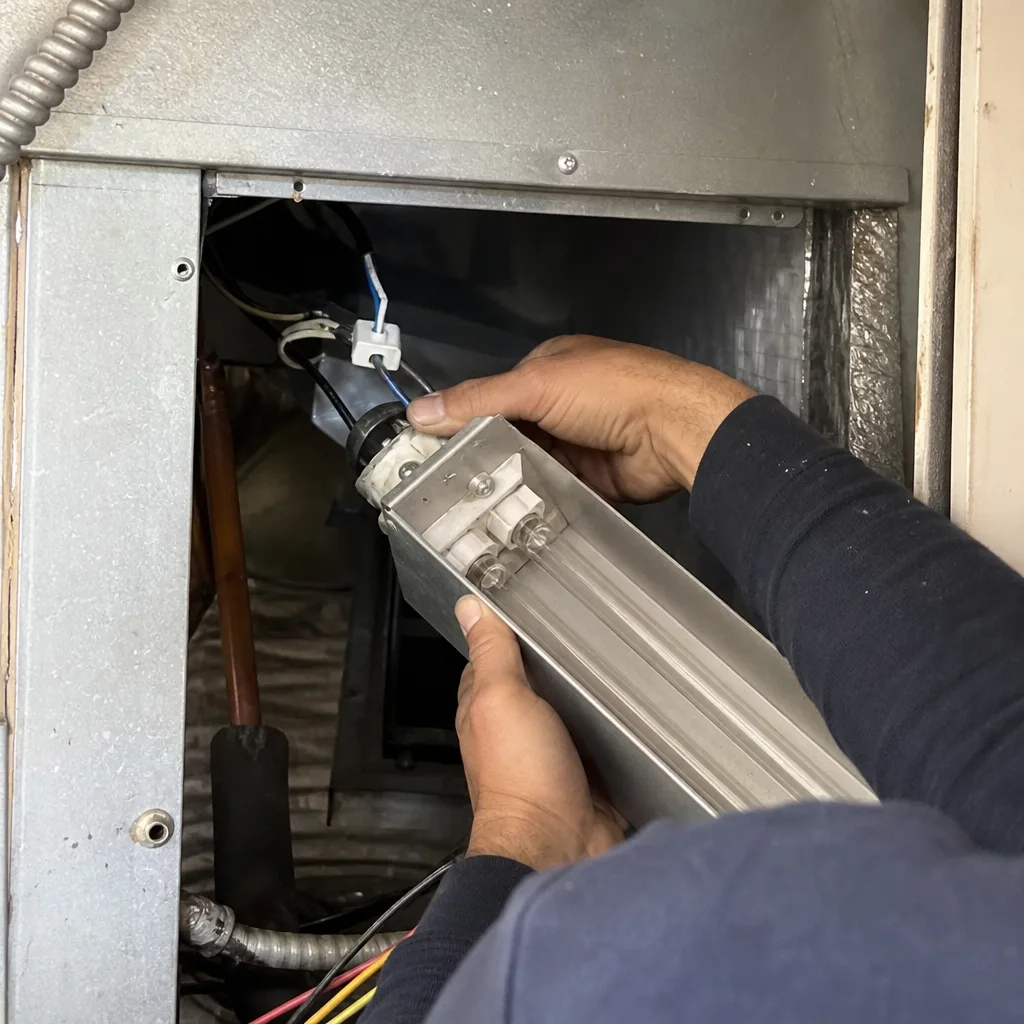
Last updated November 24, 2026
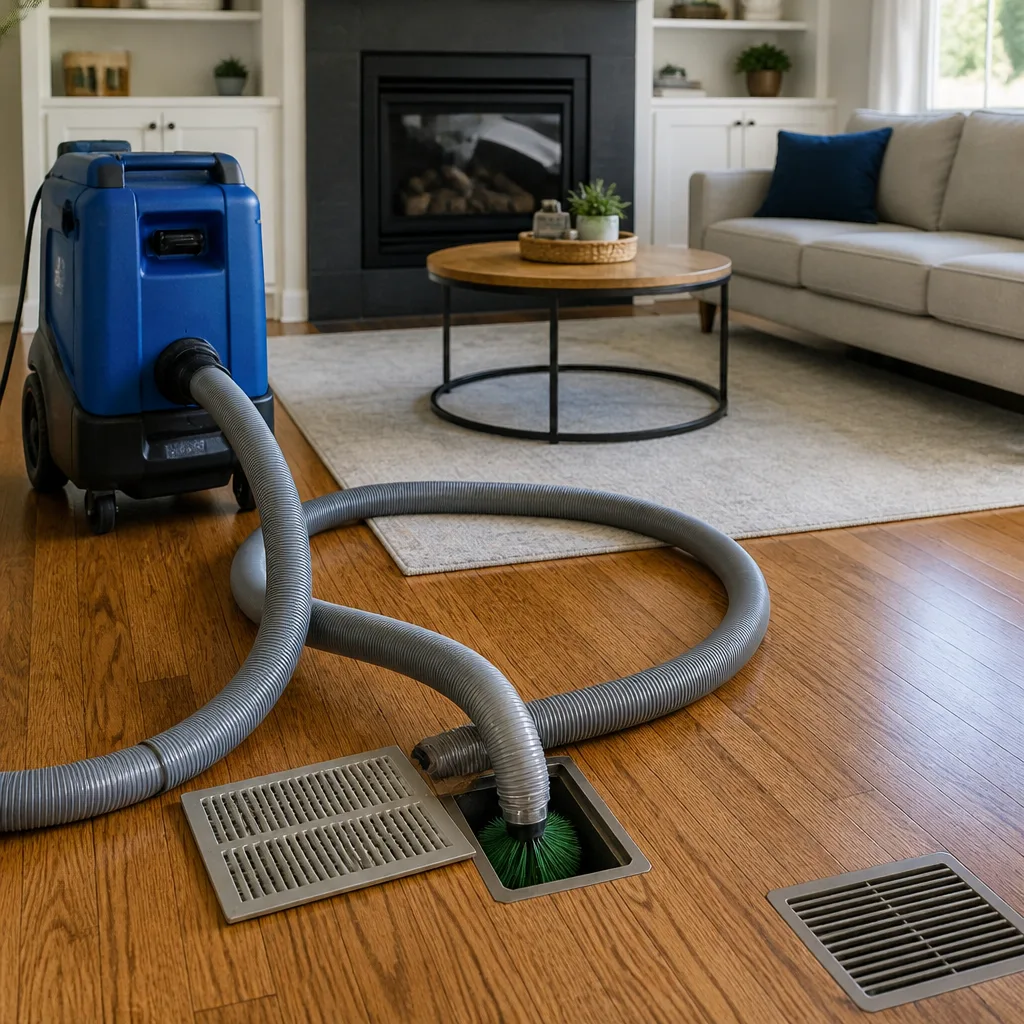 Whole-home duct cleaning
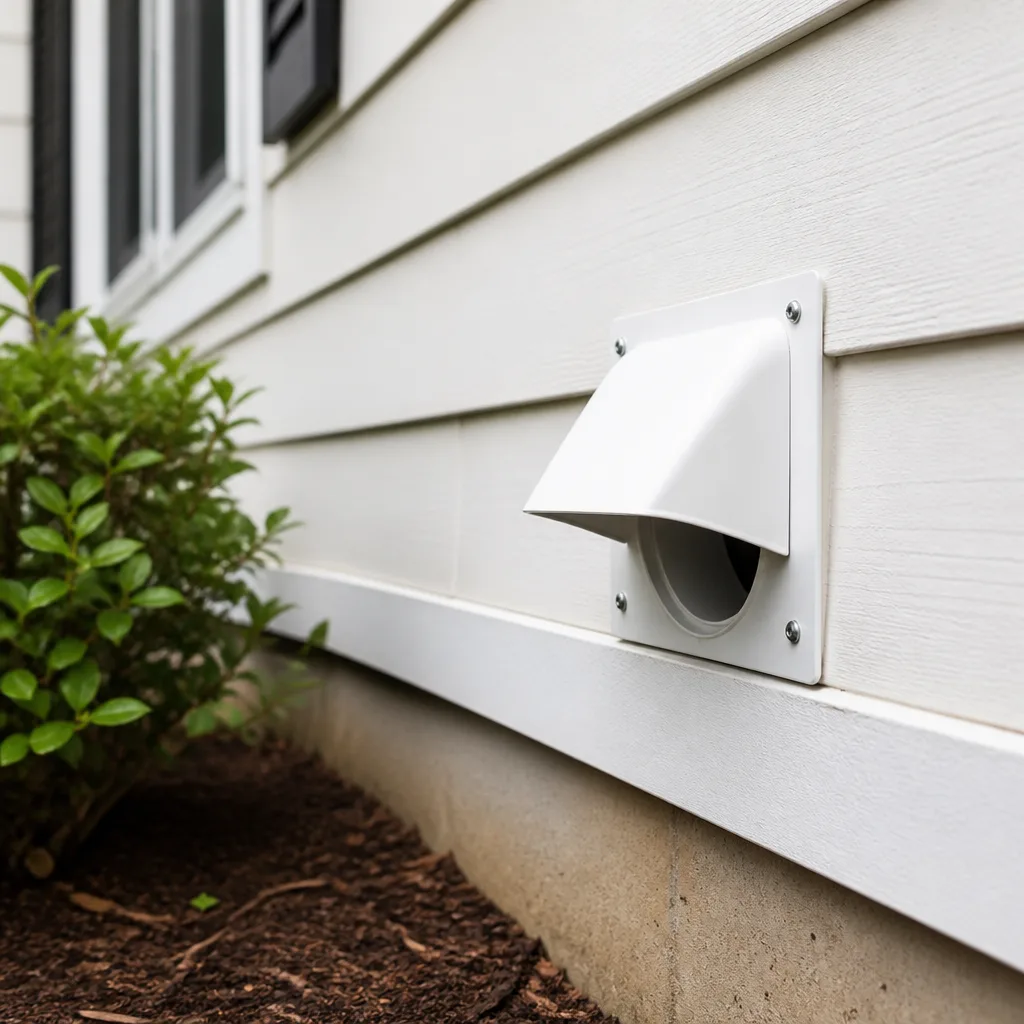 Dryer vent cleaning
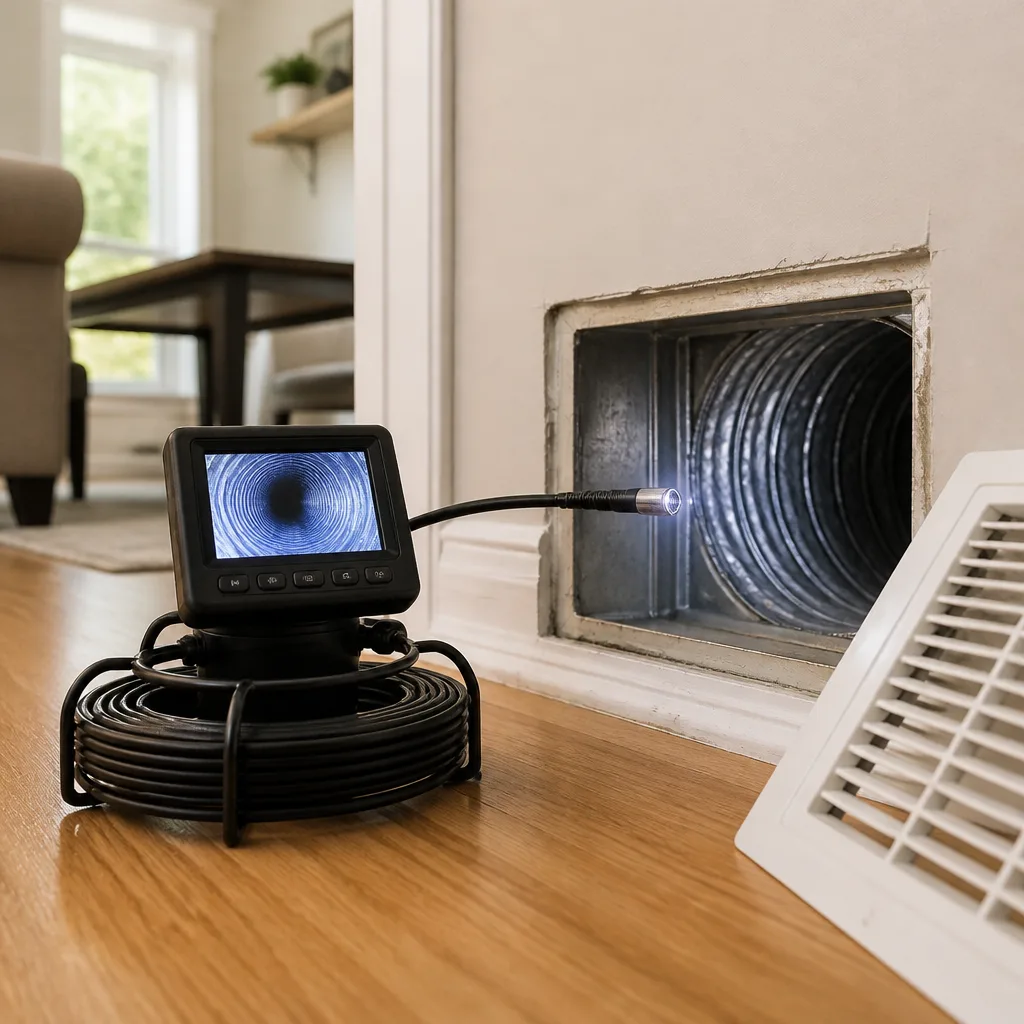 Camera inspection
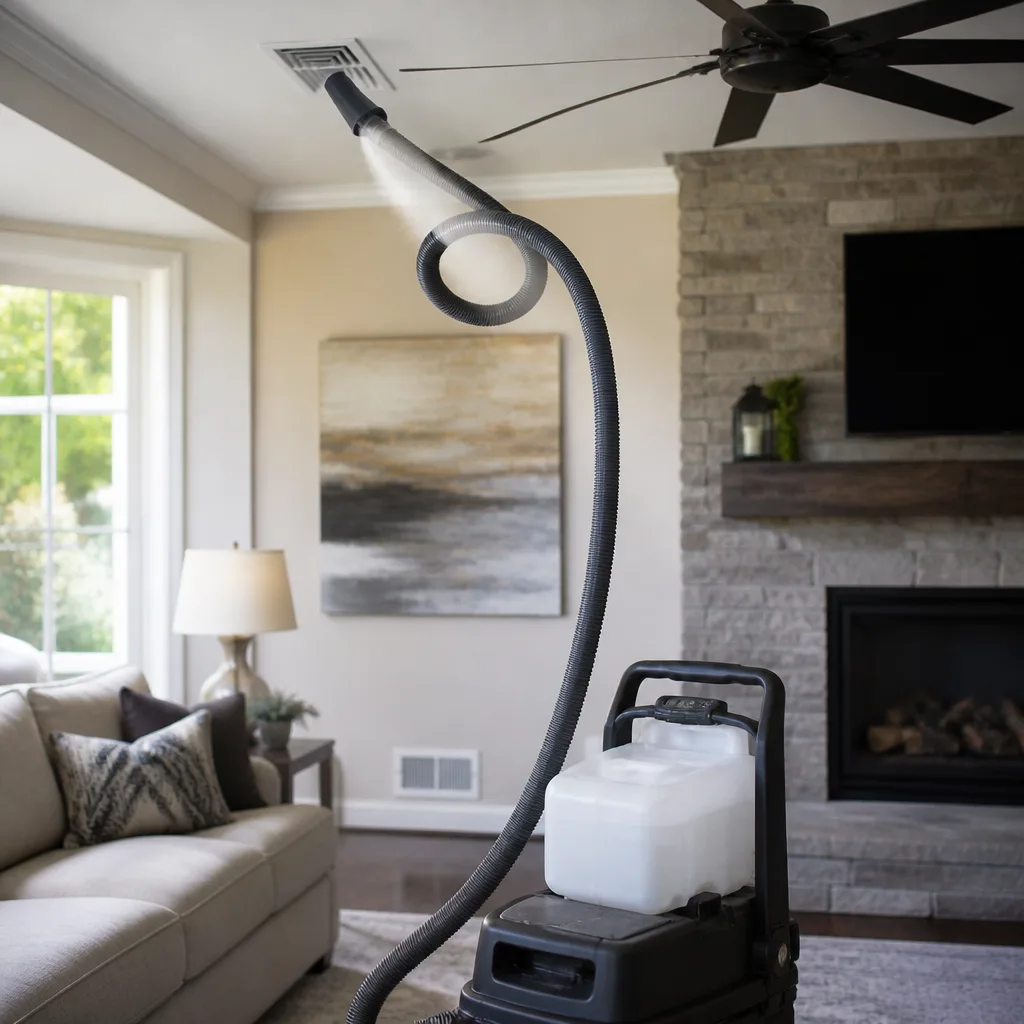 Sanitizing & deodorizing
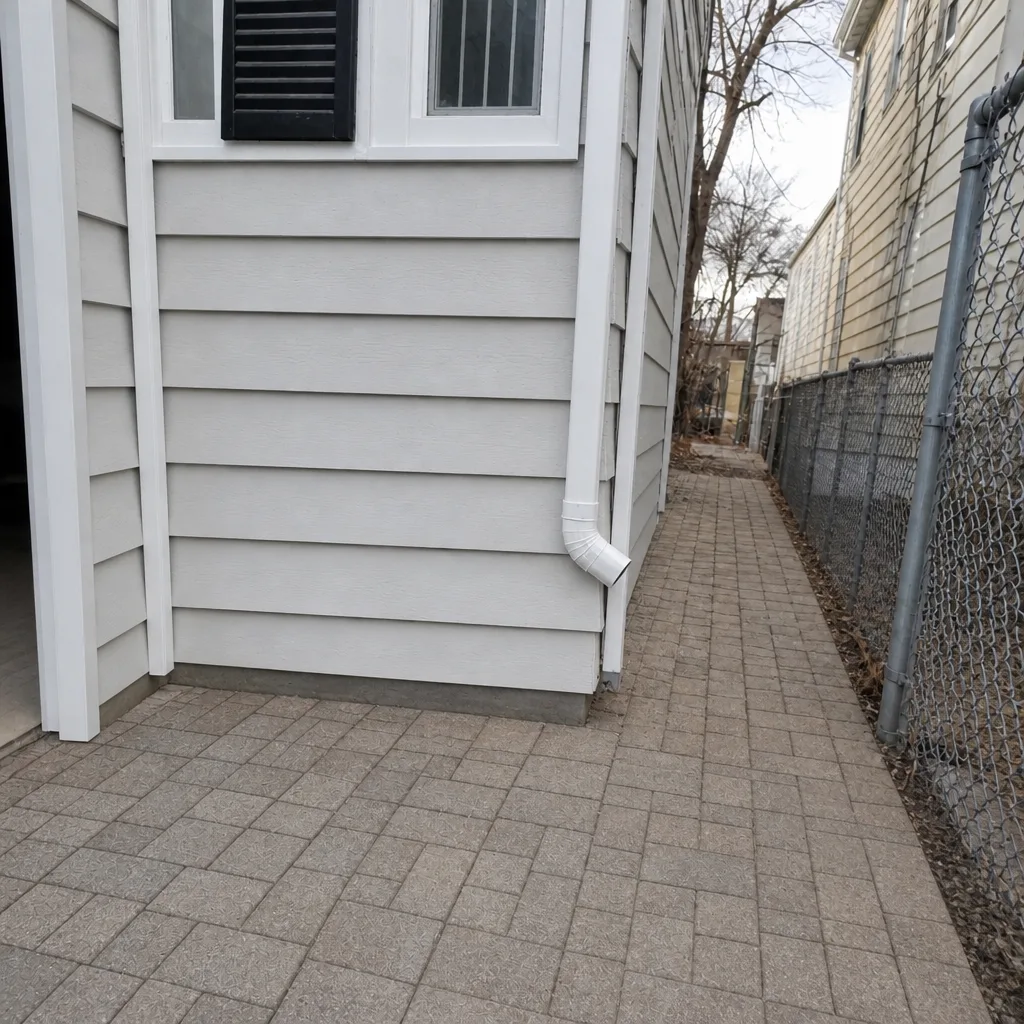
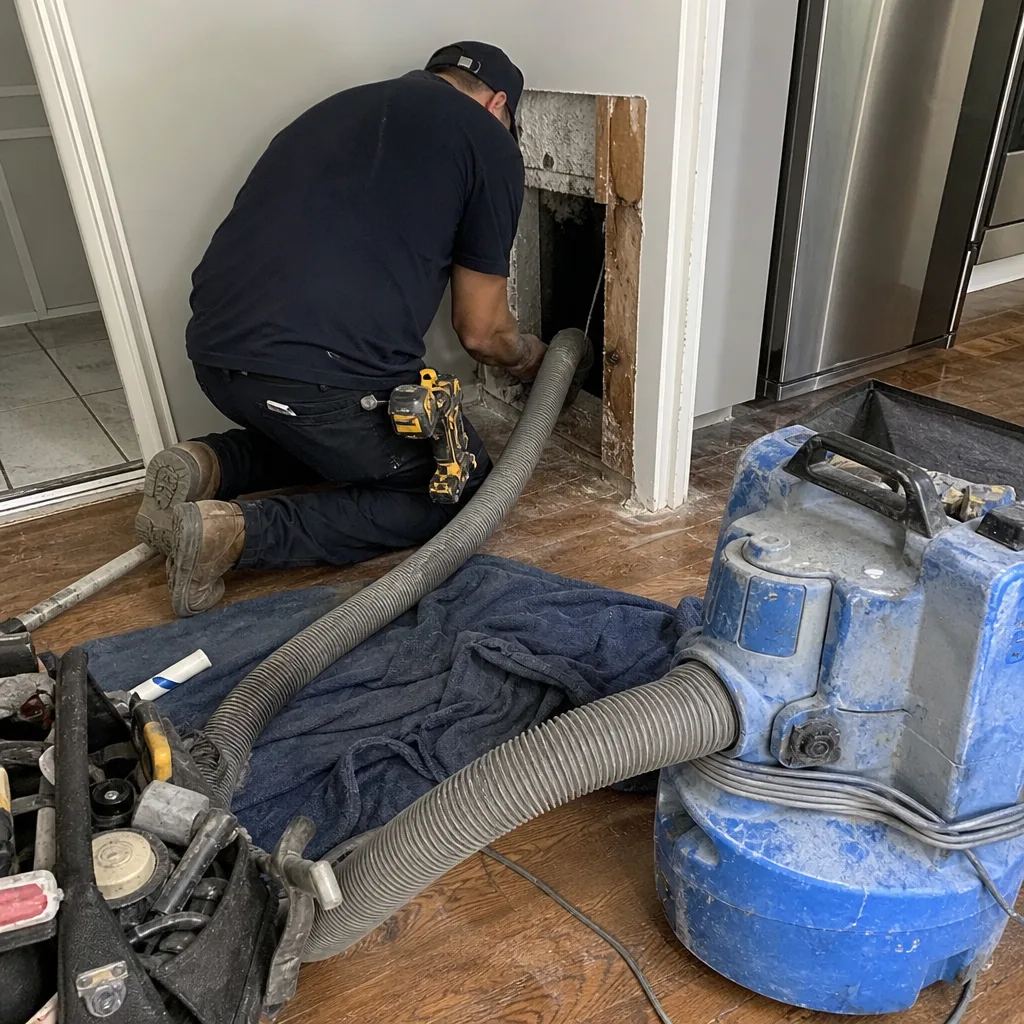
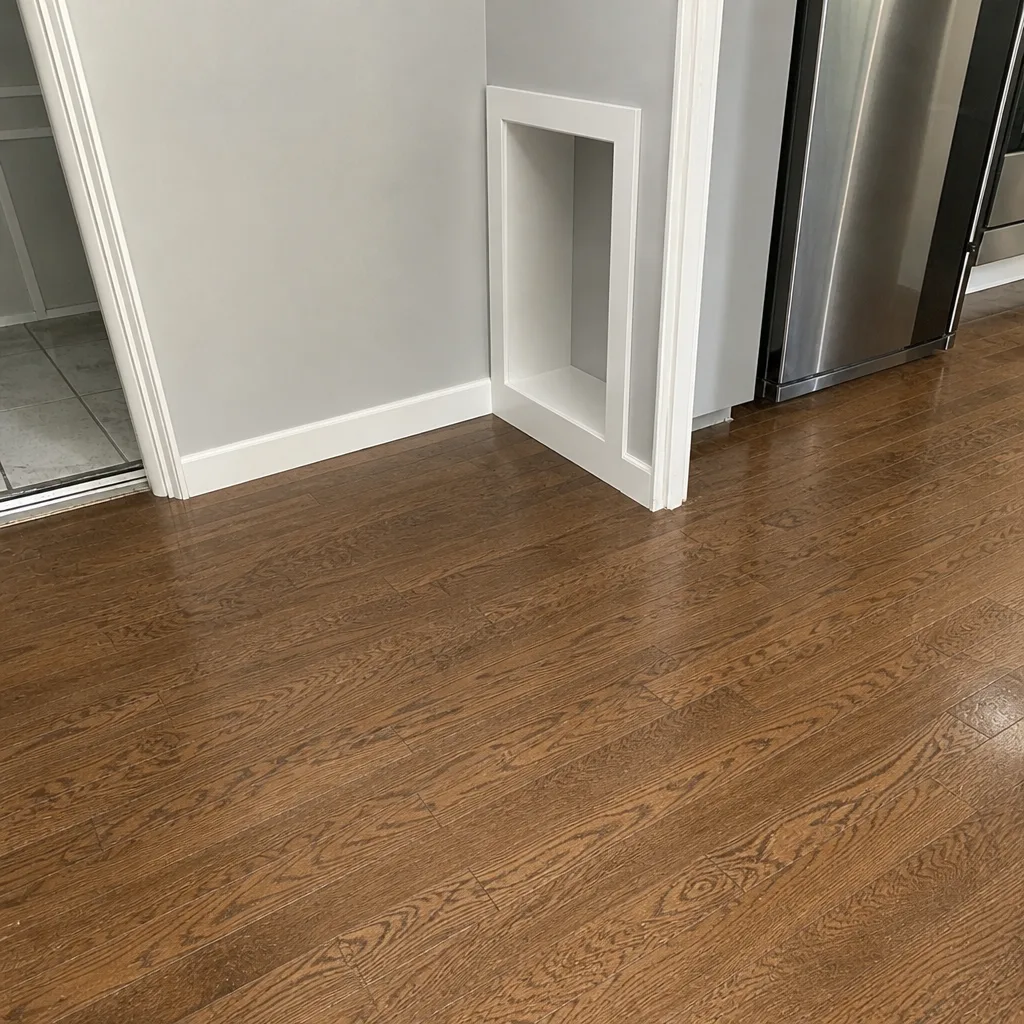
Whole-system duct and dryer vent check with before-and-after photos - you see exactly what came out of your vents
That "$99 whole-house special" is a bait ad - the real number appears once they are in your hallway, or the "clean" is a shop-vac at the register. We photograph the inside of your ducts before and after instead.
Air Duct Cleaning Maintenance Checklist for South Beach Homeowners
Most duct cleaning advice hands you a calendar: clean every three to five years and forget it. In South Beach, that advice fails. A system that runs its air conditioner through humid months can look clean in October and show speckled growth on supply registers by February if filtration and moisture control slip. The interval isn’t the point. The conditions are. This guide gives you a checklist built around what you can actually see, measure, and document at your own registers and return grilles, so you and a technician can decide on evidence instead of a guess. You’ll learn the visual triggers, how to track filter loading, which South Beach checkpoints matter, and when a filter change stops being enough.
Quick Answer
A maintenance checklist for ducts in South Beach should be condition-based, not calendar-based: check registers and return grilles monthly for dust patterns or moisture, log how fast filters load, and schedule professional cleaning when you see visible growth, a persistent musty smell, or filter loading that keeps accelerating. A clean, well-sealed system with strong filtration stays clean longer, but continuous air conditioning in humid months gives contamination less time to build than the usual three-to-five-year rule suggests.
Styles & brands we work with
- Whole-home duct cleaning
- Dryer vent cleaning
- Camera inspection
- Sanitizing & deodorizing
Table of Contents
- What to Check at Your Registers Without Tools
- Tracking Filter Loading Rate as a Contamination Proxy
- Seasonal Checkpoints on South Beach’s Humidity Calendar
- What to Document Between Professional Cleanings
- When a Filter Change Is Not Enough
- What Proper Professional Equipment Actually Does
- The Dryer Vent Line on Your Maintenance List
- Sealing and Filtration: Making Cleaning Last
What to Check at Your Registers Without Tools
You don’t need a ladder or a meter to catch most duct problems early. Your supply registers and return grilles are the visible end of the system, and they show patterns that point to what’s happening farther back. Walk your home once a month, room by room, and look for these signs.
- Dust streaking on the register face. A light even film is normal between cleanings. Dark streaks radiating from the louver edges suggest air is being pushed through dust that has settled on the grille and possibly on the duct interior behind it.
- Speckling or dark spotting. Small dark dots or fuzzy patches on a register or the ceiling around it are a moisture signal, not just a dirt signal. In South Beach, where air conditioning runs hard through humid months, condensation at a register can feed growth. Treat spotting as a trigger to call, not to wipe and forget.
- Musty or earthy smell at a vent. Hold your face near a supply register when the system starts. A clean system smells like nothing. An earthy or stale smell that repeats is a sign of biological growth or standing moisture somewhere in the run.
- Visible dust plumes when the system kicks on. Watch a register as the blower starts. A puff of dust means loose material is sitting close enough to the grille to be disturbed, which usually means the duct behind it needs mechanical cleaning.
- Uneven airflow room to room. Hold a tissue to each supply. If one register barely moves it while others push hard, the problem is likely a leak, a crushed run, or a disconnected joint rather than dirt.
- Return grille loading. The return pulls the most air and collects the most debris. A return grille that clogs visibly between filter changes tells you the system is moving a lot of particulate.
None of these checks require opening anything. Do them monthly and note what you see. A pattern across several rooms is more telling than a single dirty register.
Tracking Filter Loading Rate as a Contamination Proxy
Your filter is the cheapest diagnostic tool in the house, and the rate at which it loads tells you how fast contaminants are moving through the system. A filter that normally lasts three months but clogs in three weeks is a signal that something upstream has changed. Here’s how to turn filter changes into data.
- Pick a filter and stay with it. Note the MERV rating on the packaging. Changing filter types makes the loading data meaningless, because a higher MERV filter catches more and loads faster by design.
- Write the install date on the filter edge. A marker on the frame is enough. You’ll know exactly how long each one ran.
- Check at fixed intervals. Look at the filter every two weeks for the first month after a professional cleaning to establish a baseline, then monthly.
- Hold it to a light. A filter that blocks most light across its surface is loaded and should be replaced. A filter that still passes light through the middle is fine.
- Log the interval. Note the days between changes. If that number keeps dropping, filter loading is accelerating, and that trend points to a system that needs more than a new filter.
- Watch for the high-MERV problem. A very high MERV filter can load quickly and restrict airflow, which stresses the blower. If a premium filter clogs fast in a South Beach home that runs the AC constantly, that’s a filtration-and-duct condition worth a professional look, not a reason to buy a bigger filter.
We’ve seen systems where the homeowner changed filters faithfully and still had heavy contamination in the ducts, because the filter protects the equipment, not the duct walls. Loading rate tells you the volume of particulate the system is handling. It doesn’t clean the ducts for you. It tells you when to ask someone who can.
Seasonal Checkpoints on South Beach’s Humidity Calendar
Generic maintenance schedules assume four seasons. South Beach doesn’t cooperate. The real driver here is humidity, and the checkpoints that matter follow the moisture, not the page of a calendar. Plan your inspections around these conditions instead.
- Before the long cooling stretch. Have filters fresh, returns clear, and registers inspected before the system starts running continuously. Starting a heavy cooling season with a clean system buys you the most margin.
- Deep humidity weeks. When outdoor humidity climbs and the AC runs almost without pause, check for condensation at registers and on duct runs in unconditioned spaces. Anywhere a duct sweats is a place growth can start.
- After any water intrusion. A roof leak, a plumbing drip, or a storm that pushes water into a closet with a duct run is a checkpoint, not a wait-and-see. Moisture inside a duct is the one condition that turns a routine schedule into an immediate call.
- During the shoulder months. When the system runs less, dust settles rather than circulates. This is the window to inspect and, if needed, schedule cleaning so the system is ready before the next heavy stretch.
- Before a season of closed windows. Any period when windows stay shut and the system recirculates indoor air is a good time to confirm filtration is doing its job.
Notice that none of these checkpoints say “every three years.” A South Beach home that runs its AC for most of the year is a different maintenance case than a home that cycles heat and cool. Look at your own system’s run time and the moisture it lives with, and let that set the pace.
What to Document Between Professional Cleanings
A technician walking into a system cold has to start from zero. If you hand over a simple log, they can see trends and target the right areas. The record doesn’t need to be elaborate. Keep it in a folder or a note on your phone, and update it monthly.
- Filter log. Install dates, filter MERV rating, and days between changes. The trend line matters more than any single entry.
- Register observations. Photos of each supply and return grille at the same angles each month. A dated photo set lets a technician see how fast dust or spotting returns.
- Smell notes. A short line on whether any vent smelled musty and where. Smell is hard to reproduce later, so write it down when you notice it.
- Airflow notes. Which rooms feel weak and when. Seasonal patterns point to leaks or balance issues.
- Moisture events. Any leak, flooding, or condensation you found, with the date and location.
- Service history. Dates of past cleanings, repairs, or equipment work, and what was done.
This log is the difference between a technician guessing and a technician diagnosing. When you book air duct cleaning, share the log. Our technicians have up to 12 years of experience and can read a photo series and a filter trend quickly, which means the visit targets the real problem instead of covering the whole system evenly and hoping it’s enough.
When a Filter Change Is Not Enough
A filter change handles particulate in the air stream. It does not remove what has already settled on duct walls, joints, and the blower, and it does nothing about growth. Escalate to a professional cleaning when you see any of the following, in order of how urgent they are.
- Visible growth. Dark spotting, fuzzy patches, or discoloration at a register or on a duct surface near a vent. This is the clearest signal and the one we treat as urgent, because growth means moisture is present and the conditions are right for more.
- A persistent smell that returns within days of a filter change. If a fresh filter doesn’t clear the smell, the source is downstream in the ducts or the equipment.
- Filter loading that keeps accelerating. If your interval between changes is shrinking month over month, the system is handling more debris than it should. Cleaning plus a look at sealing is the fix.
- Debris visible inside a register boot. Shine a light into the duct behind a removed grille. A heavy build-up on the interior walls means mechanical cleaning is due, not just a surface wipe.
- After a renovation or major dust event. Drywall dust and construction debris settle deep and load filters fast. A post-project cleaning is a normal escalation.
- After water intrusion. Any moisture event in a duct run warrants inspection for contamination and, if found, remediation rather than routine cleaning.
A filter change is a maintenance action. Professional cleaning is a corrective one. Don’t spend money on premium filters trying to compensate for a duct system that needs cleaning and sealing first, because that’s putting the cart in front of the horse.
What Proper Professional Equipment Actually Does
Duct cleaning is not a shop vacuum pointed at a register. When a technician uses professional-grade equipment, the process has two jobs: agitate the material off the duct walls, and carry it out under negative pressure so it doesn’t settle back or spread into the home. That’s why the brands on the machine matter.
The systems we use are Rotobrush, a rotary brush and vacuum-extraction platform built to mechanically loosen build-up from duct walls, and Nikro negative-pressure equipment that pulls air and debris through a contained path instead of letting it drift. Positive agitation without extraction only moves dirt around. Negative pressure without agitation leaves material stuck to the walls. You need both, together. That combination is what separates a thorough cleaning from a surface pass.
When a job involves mold, allergens, or contamination, we bring Abatement Technologies equipment built for remediation scenarios, because a routine visit and a contamination visit are not the same job. For sanitizing, we use Guardsman products rather than generic sprays. The full picture matters because the equipment tells you what a provider can actually handle. A crew with a shop vac can reach what it can see. A crew with rotary extraction and negative pressure can reach what’s behind the grille. If you want a sense of the full scope, that’s the difference captured in our HVAC cleaning work, which extends the same discipline to the equipment and coils that move your air.
The Dryer Vent Line on Your Maintenance List
Duct cleaning checklists usually stop at the HVAC system. In South Beach, that leaves out a fire-risk concern most providers don’t address. Lint accumulates in a dryer vent, and a clogged vent is the leading appliance fire-risk factor. The vent isn’t part of your air-conditioning ducts, but it’s a line that moves hot, moist air through the structure, and it deserves a spot on the same checklist.
Check the vent on a schedule that matches your laundry load. Heavy use means more frequent checks. A few signs it’s due:
- Clothes take longer to dry than they used to.
- The dryer feels hot to the touch on the outside.
- The exterior vent flap doesn’t open fully or stays shut when the dryer runs.
- You can feel damp, linty air escaping inside the laundry space.
- Lint is visible around the vent run if the line is accessible.
Because it’s a short run with a real fire concern, it’s worth handling as a co-scheduled service when you book duct work. We handle dryer vent cleaning alongside duct jobs for exactly this reason: one visit, two systems addressed, one less thing on your list. Frame it in your mind as fire prevention, not convenience. The lint that slows drying is the same lint that burns.
Sealing and Filtration: Making Cleaning Last
A cleaning without sealing and filtration is a reset that starts decaying immediately. Sealed ducts mean the air you paid to cool or heat actually reaches you, and strong filtration means less particulate reaches the duct walls in the first place. Each one makes the others work better, which is why we treat the maintenance checklist as a system rather than a single appointment.
Here’s how the pieces connect:
- Clean walls. Mechanical cleaning removes what’s settled, so filtration isn’t fighting an existing load.
- Sealed joints. Leaks at joints pull dirty air from attics and closets into the supply. Sealing them keeps the clean side clean.
- Right-sized filtration. A filter matched to your system’s airflow catches particulate without choking the blower. Honeywell and Aprilaire filtration and air-quality hardware are the names we stock and install, and we service the hardware already in your system, so the filter you rely on keeps working.
- Sanitizing where needed. When growth has occurred, cleaning alone doesn’t address the surface. A Guardsman-based sanitizing step closes the loop.
Sealed, well-filtered ducts stay clean longer, which stretches the time between professional cleanings and lets your monthly visual checks actually confirm the system is holding. That’s the loop the checklist is trying to build.
Common Mistakes to Avoid
- Following a fixed calendar instead of your system’s conditions. A three-to-five-year schedule set in a cool climate doesn’t fit a South Beach home running the AC through humid months. Let what you observe at registers and in the filter log set the timing.
- Wiping a speckled register and calling it fixed. Spotting is a moisture signal. Wiping the grille hides the evidence without addressing the cause. Check for growth at each register and treat spotting as a trigger to inspect the run behind it.
- Jumping to a very high MERV filter to solve a duct problem. A high-MERV filter loads fast and can restrict airflow. It protects the equipment, not the duct walls. Fix contamination with cleaning and sealing, then choose filtration that matches the system.
- Ignoring the dryer vent because it isn’t “the ducts.” The dryer vent carries the same lint that starts appliance fires, and it’s usually not on anyone’s list. Add it to yours and co-schedule it with duct work.
- Hiring on price alone and getting a surface pass. If a provider arrives with a shop vacuum and a spray can, you’re paying for motion, not extraction. Ask what equipment they use before you book, because the answer tells you whether the duct walls actually get touched.
- Skipping sealing and filtration after a cleaning. Cleaning without sealing leaks and replacing a loaded filter is a reset that decays. Do all three and the cleaning lasts.
- Not documenting anything between visits. A filter log and dated register photos give a technician a baseline. Without them, every visit starts from zero.
See the difference
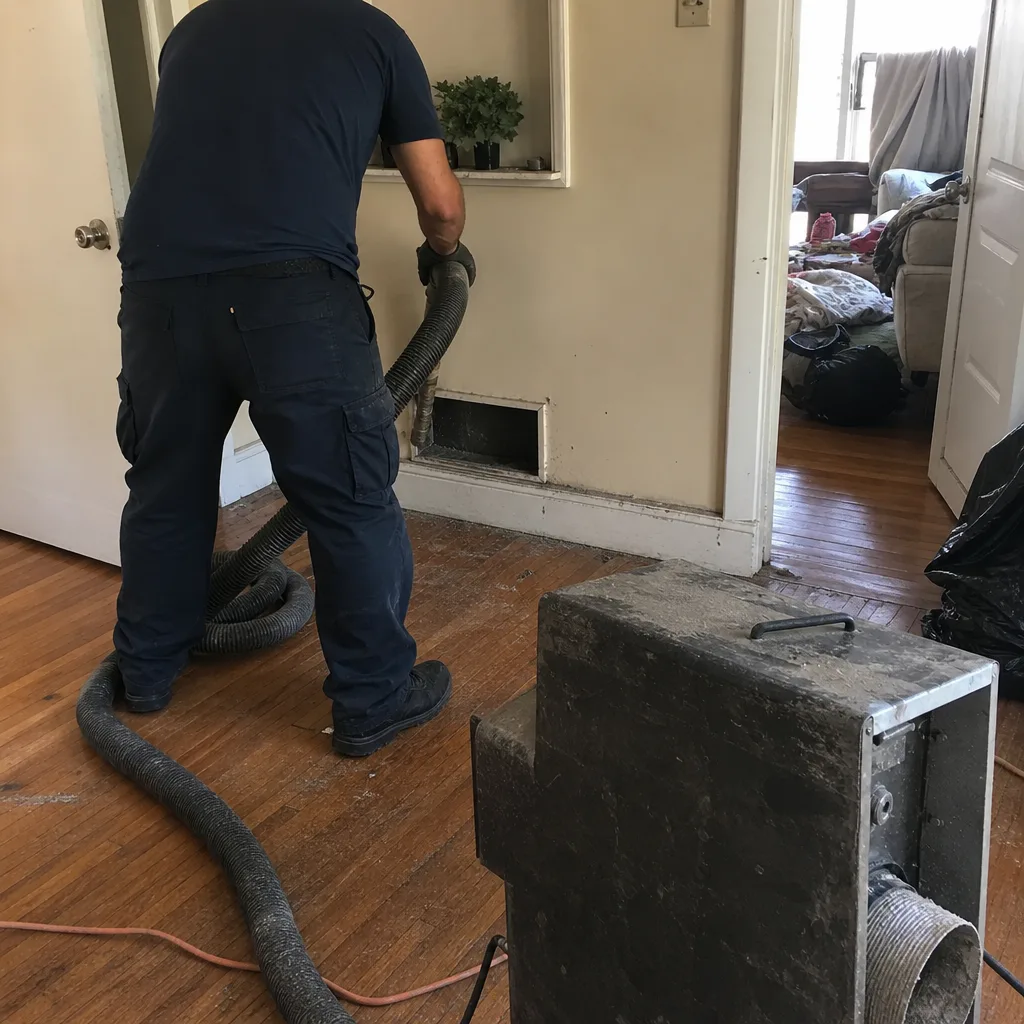 Before
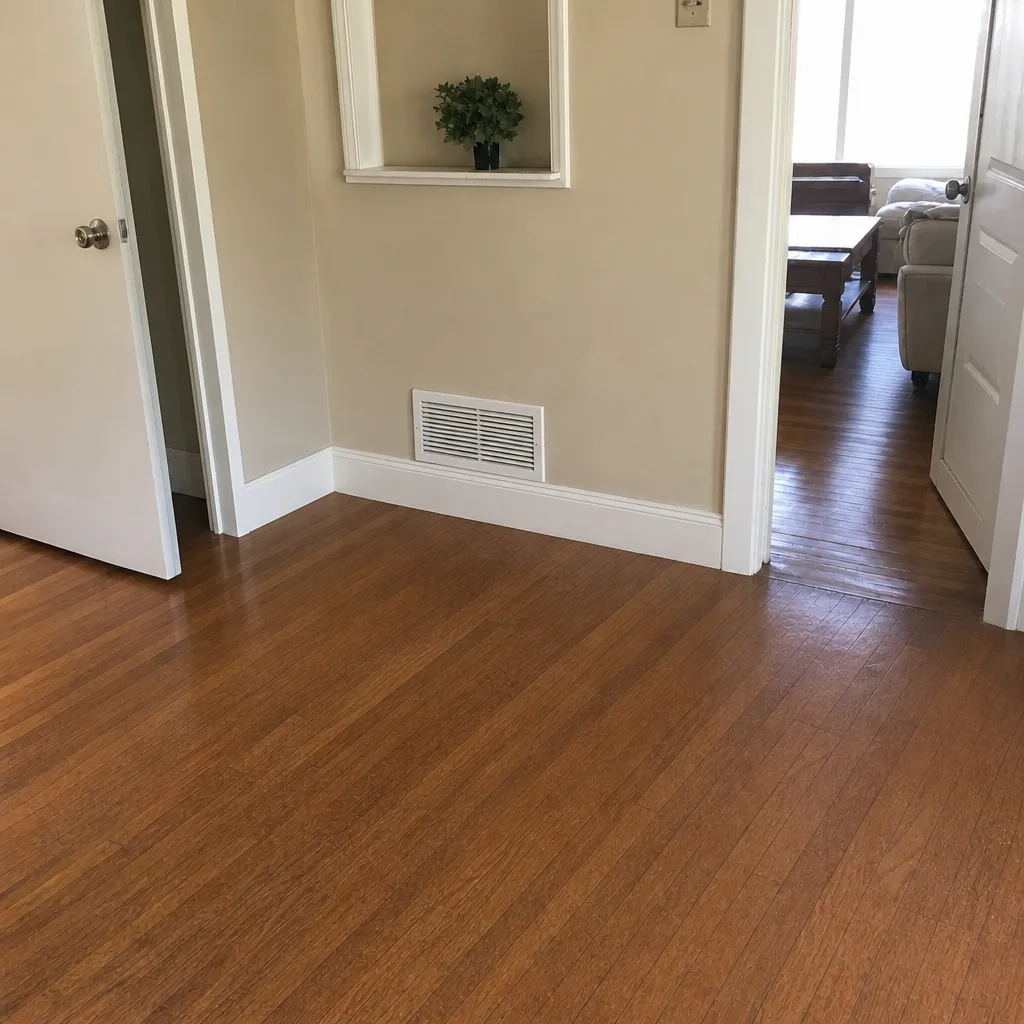 After
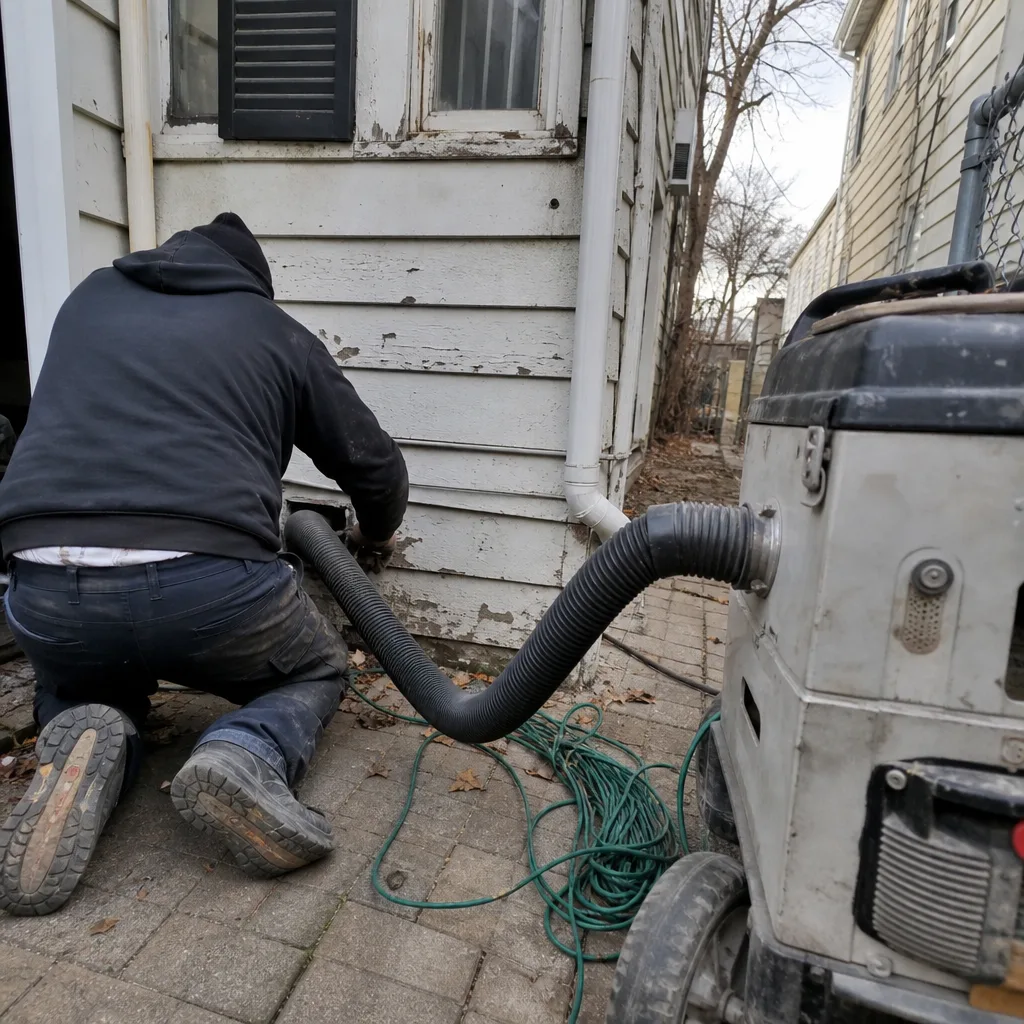 Before
 After
 Before
 After
When to Call a Professional
Call a professional when you see visible growth or spotting at a register, when a musty smell returns within days of a filter change, when filter loading keeps accelerating, when debris is visible behind a grille, or after any water intrusion into a duct run. Call sooner rather than later on moisture events and growth, because those conditions worsen with every hour the system runs. If you’re simply due for a condition-based cleaning and want a plan, that’s also a good reason to call. Air Duct Cleaning South Beach offers free estimates in South Beach – call (877) 792-7501. We answer 24/7. Fast dispatch from 7am to 7pm, Sunday through Friday. The local pro is licensed and insured as their state requires, and you’ll get one flat price agreed before work starts.
Frequently Asked Questions
There’s no fixed interval that fits every South Beach home; the answer is condition-based. A home that runs its AC continuously through humid months with light filtration can need cleaning sooner than the usual three-to-five-year rule suggests, while a well-sealed system with strong filtration can go longer. Use your filter log, register checks, and any smell or spotting as the trigger. Call (877) 792-7501 for an exact quote once you see a trigger – estimates are free.
Cost depends on the number of systems and the condition of the ducts, so we price per system, not per vent, and give you one flat price agreed before work starts. We never quote a per-vent rate or a teaser coupon figure, because those numbers are what turn into inflated invoices once the technician is on site. Call (877) 792-7501 for an exact quote – estimates are free.
Cheap quotes usually mean less equipment and less time: a shop vacuum pointed at a register and a quick spray rather than rotary agitation and negative-pressure extraction of the duct walls. You’re paying for motion, not removal. Ask what equipment a provider uses before booking; professional rotary-brush and negative-pressure systems do the work a vacuum can’t. Call (877) 792-7501 when you want an estimate built around real cleaning – estimates are free.
Ask for before-and-after photos of your own ducts, taken inside the runs rather than at the grille. A provider who did the work can show you the build-up and the cleared walls. That documentation is part of what we deliver on every job. Call (877) 792-7501 to discuss what documentation comes with your estimate – estimates are free.
Not if you’ve already found growth, a persistent smell, or accelerating filter loading. A filter changes the air stream; it doesn’t remove what has settled on duct walls or address moisture that’s feeding growth. Filter changes are maintenance; cleaning and sealing are corrective. Call (877) 792-7501 if you’re unsure which you need – estimates are free.
Yes. Lint build-up in the dryer vent is the leading appliance fire-risk factor, and the vent moves hot, moist air just like the ducts move conditioned air. Slow drying, a hot dryer cabinet, or a stuck vent flap are signals it’s due. Co-scheduling dryer vent cleaning with duct work saves a second visit. Call (877) 792-7501 to book both – estimates are free.
The Bottom Line
If you take one thing from this checklist, let it be this: in South Beach, duct maintenance is a set of conditions to watch, not a calendar to follow. Check your registers monthly for dust patterns and spotting, log your filter loading rate, plan checkpoints around humidity rather than seasons, and document what you find so a technician can diagnose instead of guess. Escalate to professional cleaning when growth, smell, or accelerating filter loading shows up, and pair every cleaning with sealing and filtration so it lasts. Air Duct Cleaning South Beach handles the whole system: cleaning, sealing, filtration, and dryer vents.
Ready to put a condition-based plan on your ducts? Call (877) 792-7501 for a free estimate. We answer 24/7. Fast dispatch from 7am to 7pm, Sunday through Friday, from a local pro who is licensed and insured as their state requires. Every job comes with one flat price agreed before work starts and before-and-after photos of your own ducts. Start with our Air Duct Cleaning South Beach overview to see the full scope, and we’ll build the maintenance plan your system actually needs.
Written by the team at Air Duct Cleaning South Beach.