
Last updated November 24, 2026
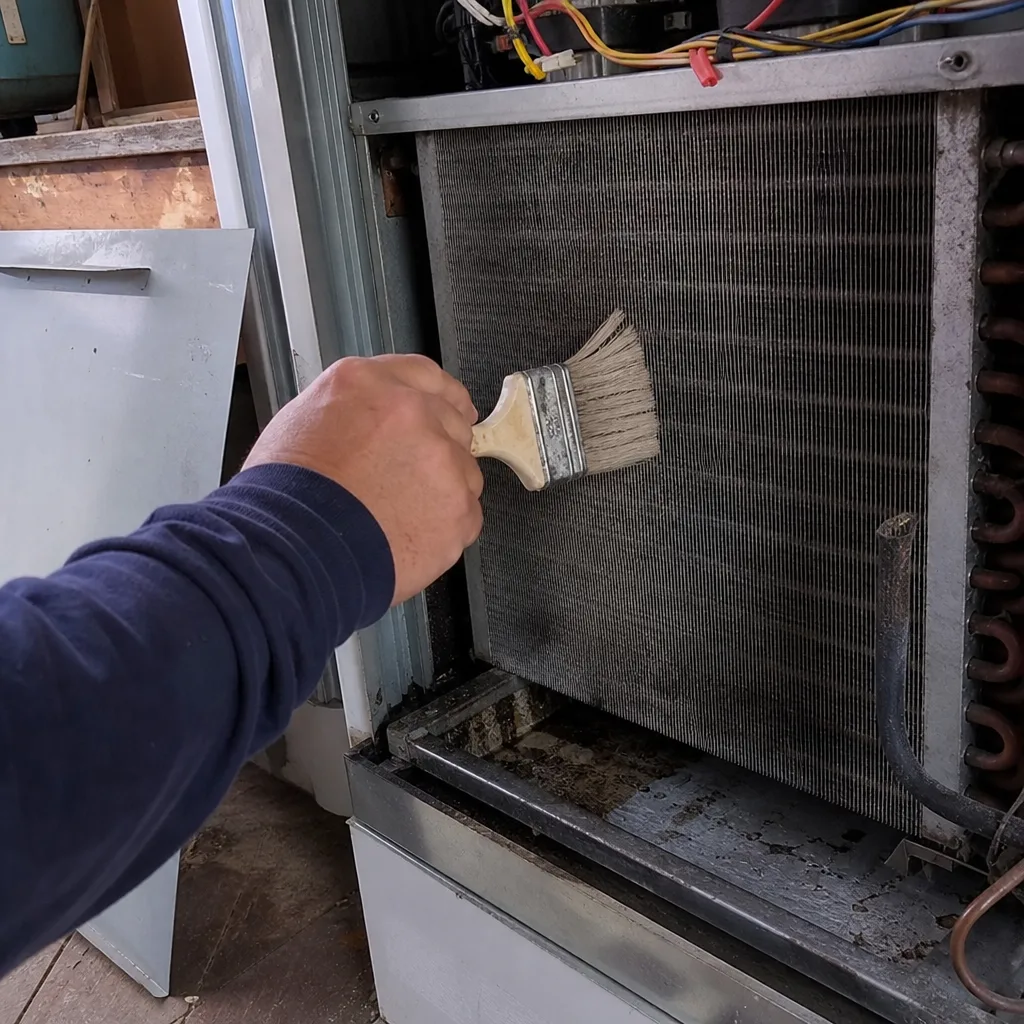
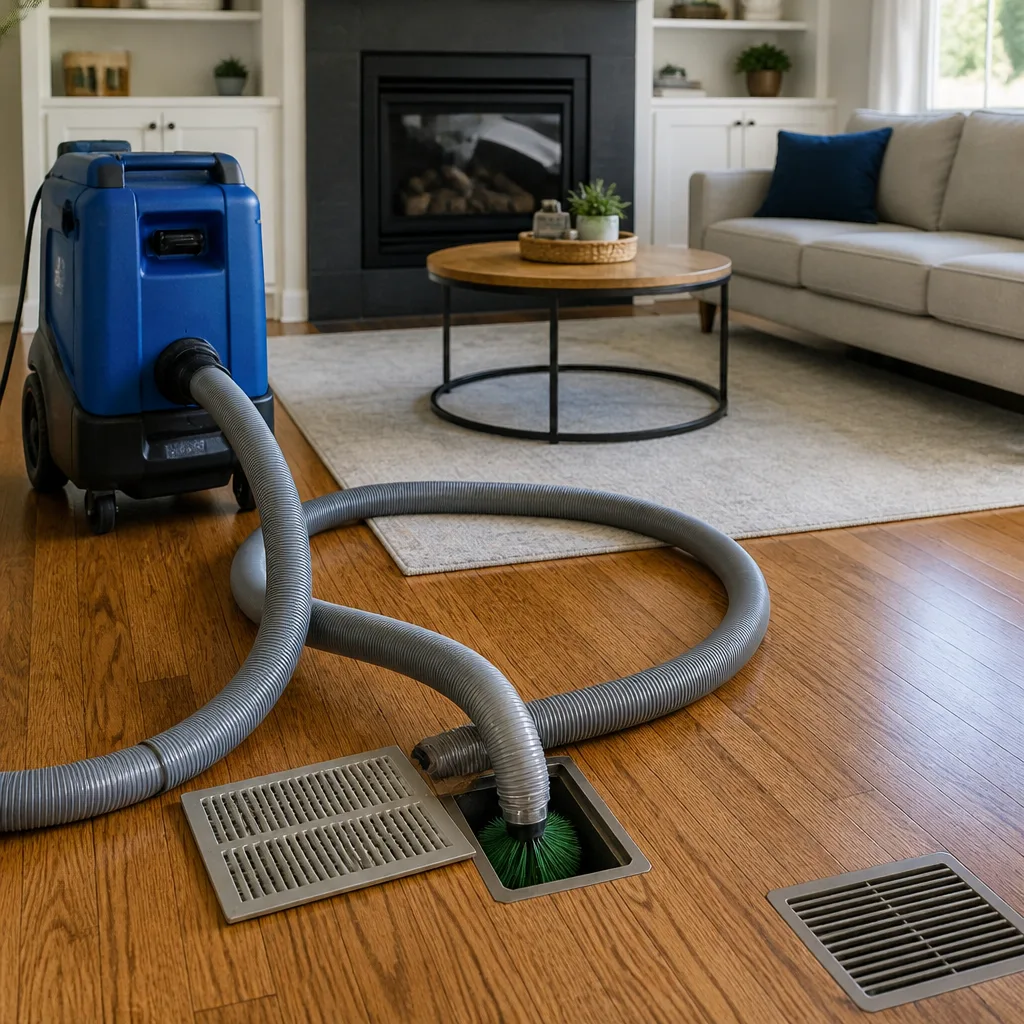 Whole-home duct cleaning
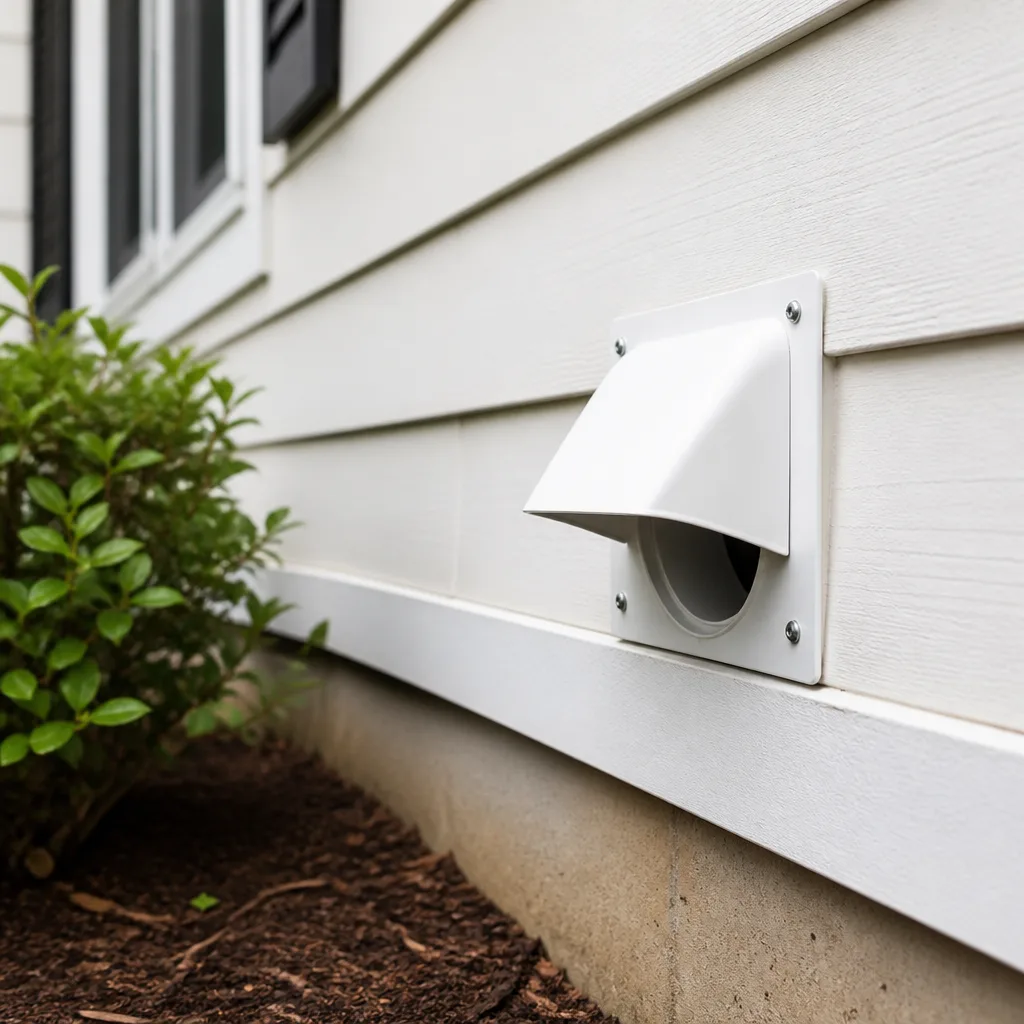 Dryer vent cleaning
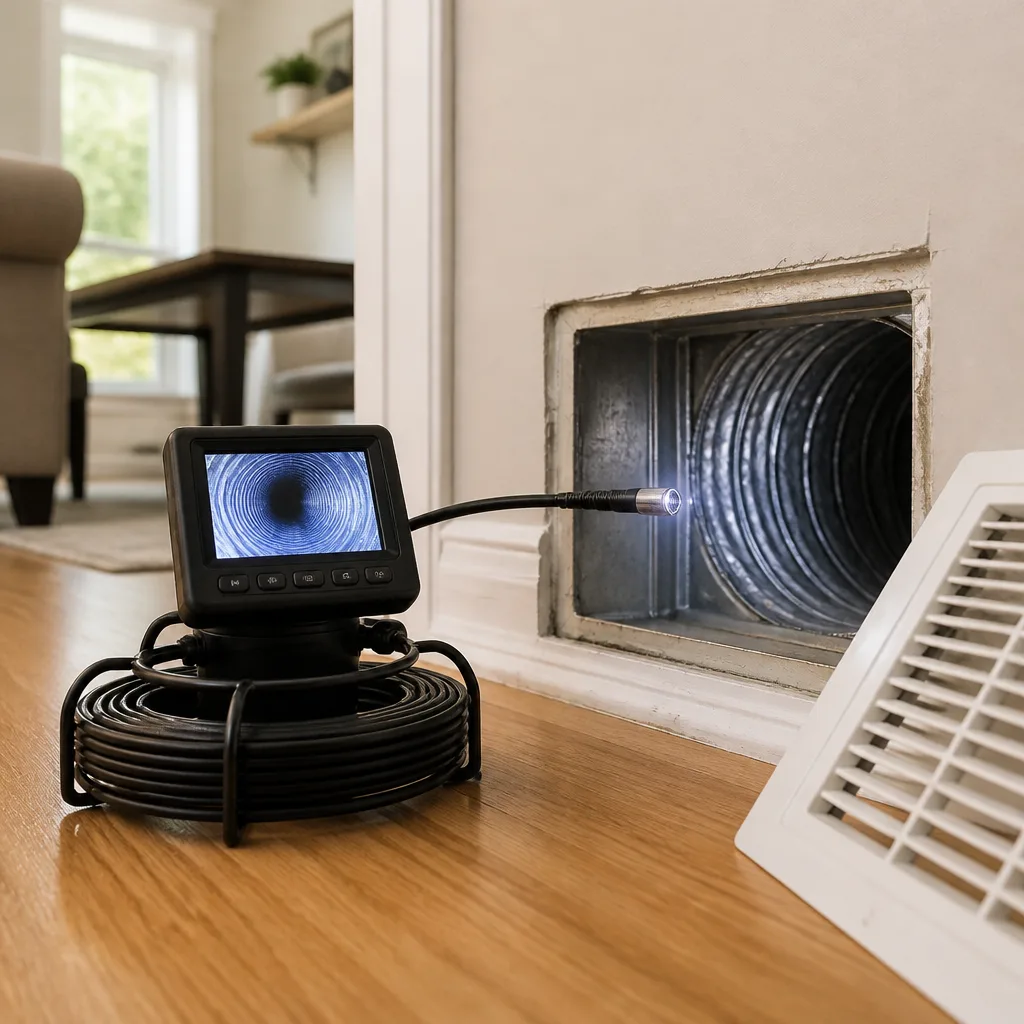 Camera inspection
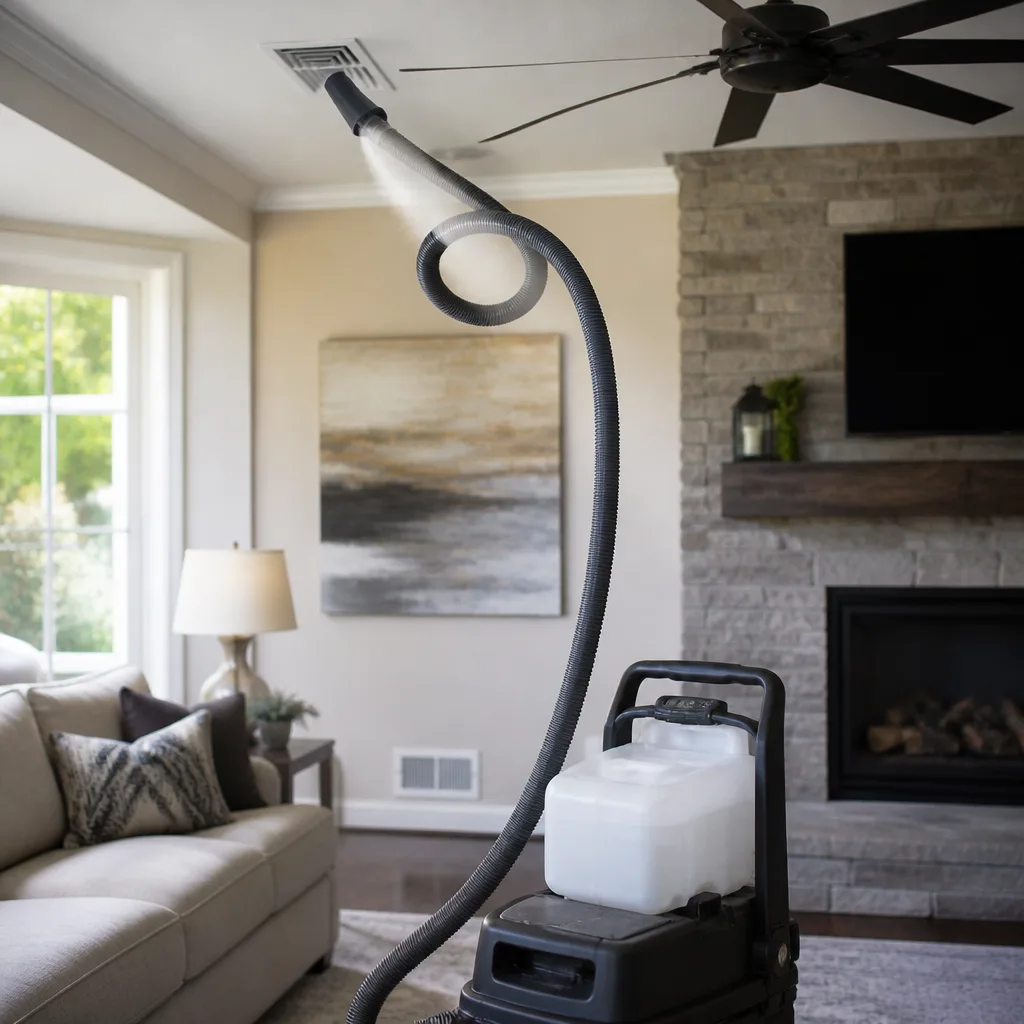 Sanitizing & deodorizing
Whole-system duct and dryer vent check with before-and-after photos - you see exactly what came out of your vents
That "$99 whole-house special" is a bait ad - the real number appears once they are in your hallway, or the "clean" is a shop-vac at the register. We photograph the inside of your ducts before and after instead.
How to Hire an Air Duct Cleaning Contractor in South Beach: A Step-by-Step Guide
The most common duct cleaning problem in South Beach isn’t a fake company. It’s a real company showing up with a residential shop-vac and calling the result “professional cleaning.” The equipment is the tell, and you can spot it before anyone touches a register. You don’t need a technical background to ask the right questions. You need to know what to look for on the truck, what belongs in a written scope of work, and what a finished job should leave behind. This guide walks you through every step of hiring in South Beach so the visit you pay for is the visit you actually get.
Quick Answer
To hire an air duct cleaning contractor in South Beach, ask three things before booking: what equipment they’ll use (truck-mounted or high-powered negative air with a rotary brush system, not a shop-vac), whether they’ll do a pre-inspection and hand you a written scope with a flat price per system, and how they’ll document the work afterward. A legitimate contractor answers all three without hesitation. One who dodges or quotes per vent is telling you something.
Styles & brands we work with
- Whole-home duct cleaning
- Dryer vent cleaning
- Camera inspection
- Sanitizing & deodorizing
Table of Contents
- Why Equipment Is the First Thing to Check
- The Equipment Questions to Ask Before You Book
- What NADCA Membership Actually Verifies
- How to Verify a Contractor’s License and Insurance in New York State
- What a Written Scope of Work Should Contain
- Red Flags in the Quote Process
- What a Legitimate Post-Cleaning Report Should Include
- Step-by-Step: Your Hiring Checklist
Why Equipment Is the First Thing to Check
Duct cleaning is a mechanical job before it’s anything else. Loose dust on a duct wall doesn’t come off with gentle suction, and it doesn’t come off from the register alone. It has to be agitated, then captured under negative pressure so it leaves the system instead of settling back into it. Every contractor conversation in South Beach should start here, because equipment determines whether the work is real or performative.
A shop-vac pulls a small volume of air at low static pressure. It grabs what’s sitting loose near the opening and leaves the coating that actually coats the inside of the duct. The result looks better at the register and changes nothing downstream. Professional cleaning cycles the entire system: supply trunks, branch runs, return paths, the air handler cabinet if the scope includes it, and the components a system has been collecting into for years.
Equipment you should expect a legitimate contractor to name without prompting:
- Rotary brush systems for mechanical agitation, so dust bonded to the duct wall breaks free
- High-powered negative air machines sized to hold the system under negative pressure during cleaning, whether truck-mounted or portable units built for the job
- HEPA filtration on the vacuum side, so what comes out of the ducts doesn’t end up in your living room
- Inspection cameras to look inside the runs before and after, not just at the grille
Contractors who invest in this equipment tend to talk about it in specifics. They know their brush system by name. They can explain what negative pressure does to duct walls. That level of detail is your first honest signal about the company you’re about to let into your home. The Air Duct Cleaning South Beach approach is to name the equipment out loud, because a customer who knows what’s being used is harder to sell something short of it to.
The Equipment Questions to Ask Before You Book
Ask these verbatim on the phone and listen to how the answers come back. Clear, specific responses are what you want. Vague enthusiam with no nouns is what you don’t.
- What cleaning method will you use? You want to hear contact agitation plus source removal under negative pressure. If the answer is “high-pressure air” or “vacuum,” press for details.
- What brand of brush or rotary system do you run? Real contractors name their systems. Rotobrush and Nikro are common professional systems, and there are others. The point is whether the person on the phone can talk about theirs.
- Will you hold the system under negative pressure while cleaning? This is a yes or no. The answer should be “yes,” with some sense of how.
- Do you use HEPA filtration on the collection side? You want a yes. Without it, the dust leaves your ducts and lands on your furniture.
- Will you inspect before and after? A camera inspection before cleaning tells you what’s actually in the system. Post-cleaning inspection plus photos tell you the work happened.
- What about my air handler and coil? Duct cleaning that skips the components feeding the ducts leaves the reservoir untouched. Ask whether the scope covers these.
None of these questions require a technical background. You’re listening for whether the person answering has a real process or a script. South Beach has plenty of both, and this five-minute conversation sorts them quickly.
What NADCA Membership Actually Verifies
NADCA membership means a contractor has attached to the National Air Duct Cleaners Association and the standards that body publishes. It signals a baseline: the company follows an assessment-and-cleaning sequence, evaluates a system before quoting, and subscribes to a public standard for how duct cleaning should be performed. It does not verify that the individual technician in your South Beach apartment is certified, does not guarantee a particular piece of equipment goes on the truck, and does not replace the license and insurance check you’ll do yourself.
What membership is worth: it tells you the company is at least aware of the standard the industry is judged by, and it usually correlates with real equipment and real documentation. What it doesn’t do: certify that any particular job will go well. That’s why you still ask the equipment questions and still insist on a written scope.
Where NADCA standards really show up is the sequence. A contractor following them will look at your system before quoting, will explain that not every system needs the same work, and will put what they plan to do in writing. If a South Beach quote arrives without a site visit and without a scope, membership on a website is doing less work than the process behind it. Use NADCA as a starting filter, not a final verdict. The real question is whether the contractor will stand in front of your registers and tell you honestly what they see.
How to Verify a Contractor’s License and Insurance in New York State
New York State doesn’t operate a single statewide duct cleaning license, and that surprises most homeowners. Licensing and registration in this trade happen at the local level, and requirements vary by municipality. So the check runs in two directions: ask the contractor directly, and confirm with the government body that issues the paperwork.
On the license side:
- Ask the company for the name and contact information of the local licensing or registration authority they operate under.
- Call or look up that authority yourselves. A real registration shows up in their records.
- Ask whether the specific individuals coming to your home have been identified to the authority or only the company has.
- In New York, work performed on a home often brings in consumer protection rules and, in some cases, home improvement contractor registrations. Ask your county or municipal consumer affairs office what applies to duct cleaning where you live.
On the insurance side:
- Ask for a certificate of general liability insurance naming the company and listing the coverage dates.
- Ask whether the company carries workers’ compensation coverage on the individuals who will be in your home. If a worker is injured on your property and the company has no coverage, that’s your exposure.
- Verify the certificate by calling the insurer named on it. Certificates are easy to email and not always current.
Competent contractors expect these questions and answer them without flinching. A company that gets defensive when you ask for a certificate is telling you something about how the job will go.
What a Written Scope of Work Should Contain
A written scope is the difference between a service and a guess. It should be on paper, in your hands, before anyone starts work. In South Beach, where apartment systems and small commercial runs can be tricky to read, the scope is your best protection against a job that expands after it starts.
What a legitimate scope should spell out:
- The exact components covered: which supply and return runs, whether the air handler is included, whether the coil gets cleaned, whether branch dampers are addressed.
- The method and equipment: the brush system and negative air equipment that will be used, in plain terms.
- The count: how many registers, returns, and runs, so “per vent” pricing has nothing to multiply.
- One flat price for the whole system, agreed before work starts, not a rate that can shift with what the technician finds.
- Before-and-after photos of your own system as part of the deliverable.
- What’s excluded, so you know where the work stops.
We hold a single flat price per system because per-vent pricing is where the industry’s reputation for bait-and-switch comes from. The quote is the quote, and the written estimate sets the final price. For a complete picture of what a full visit involves, see our air duct cleaning page. If the duct system turns out to have gaps or disconnected runs, sealing them is part of what we do, and it’s the single most effective thing you can pair with a cleaning to make the cleaning last.
Red Flags in the Quote Process
Most bad duct cleaning experiences in South Beach are visible in the quote, long before the truck arrives. The red flags are predictable and easy to spot once you know them.
- A price quoted per vent or per register. A duct system is a system. Quoting per vent invites a count that grows once the technician is inside, and it’s the root of most bait-and-switch complaints.
- No pre-inspection, no site visit. A company that quotes without looking is quoting a guess. A legitimate quote comes after an assessment.
- No written scope. If it isn’t in writing, it didn’t happen. Every scope item is a protection you’re giving up when you agree verbally.
- A number so low it can’t cover the work. Real cleaning takes equipment and time. A bargain price that can’t pay for that is a promise that will be broken somewhere, usually once the technician is inside.
- Pressure to add services on the spot. A technician who discovers “emergency” mold or “urgent” sanitizing before the work is even done is responding to a sales script, not your system.
- Verbal sign-off at the end. “You’re all set” is not documentation. Ask for photos of your own ducts before and after.
- A phone number that only reaches a call center. You should be able to reach the people doing your work, not only a dispatcher for a national network.
Each red flag is a moment to pause. Two together, and the honest move is to call someone else.
What a Legitimate Post-Cleaning Report Should Include
A verbal sign-off is not a report. The report is how you know the work happened and how the next contractor, landlord, or buyer can see it too. In South Beach, where units change hands and property managers need documentation, a real report is often worth as much as the cleaning itself.
A legitimate post-cleaning report should include:
- Before-and-after photos of your own ducts, not stock images from a template
- The date of service and the name of the company
- The components cleaned, listed to match the written scope
- The method and equipment used, so a future contractor knows what was done
- Observations: what was found, what condition the ducts were in, and whether anything needs follow-up (cracked joints, disconnected runs, a coil that needs separate attention)
- Signed confirmation that the scope was completed, not a checkbox or a verbal “all good”
Ask for the report before you book. If a company can’t describe its documentation process, it probably doesn’t have one. That’s a signal about everything else.
Step-by-Step: Your Hiring Checklist
Here is the process in order, from first search to post-service review. Work through it once and you’ll never be caught off guard by a bait-and-switch in South Beach again.
- Verify equipment first. Ask what brush system and negative air equipment the contractor uses. If the answer is a shop-vac, the rest doesn’t matter.
- Confirm pre-inspection. The contractor should look at the system before quoting. A phone-only quote is a warning sign, not a convenience.
- Request a written scope. Components, method, count, one flat price, before-and-after photos, exclusions. Get it before the technician arrives.
- Verify license and insurance locally. Duct cleaning is licensed at the municipal level in New York, so confirm what applies where you live, then confirm the certificate with the insurer.
- Ask for NADCA membership and understand what it covers. Useful as a filter, not a final verdict.
- Confirm post-cleaning documentation. Ask what the report will contain before you agree to the job.
- Consider companion services in the same visit. Dryer vent clearing and duct repair or sealing are easiest to handle while the equipment is already on site.
- Compare like with like. Two quotes are only comparable if both specify equipment, components, and flat pricing. A cheaper quote that scopes less work isn’t cheaper.
You don’t need to be a technician to run this checklist. You need to ask each question, listen to the answer, and notice when an answer doesn’t match the standard. Our own crews regularly hear from South Beach homeowners who ran this process with three companies and chose us because we answered the equipment question straight. That’s how it should go. If your duct system is also carrying a dryer vent, dryer vent cleaning in the same visit addresses the leading appliance fire risk most cleaners don’t touch. For the broader maintenance side of the system, HVAC cleaning covers the components feeding your ducts.
Common Mistakes to Avoid
- Booking on price alone. The cheapest quote in South Beach is usually cheap because the work is smaller, not because the company is more efficient. Compare scopes, not totals.
- Accepting a phone quote without a pre-inspection. A system you haven’t looked at can’t be scoped properly, and a quote based on a guess will get revised once someone is inside it.
- Agreeing to per-vent pricing. The moment a contract is per vent, both sides have a reason to dispute the count. One flat price per system ends that.
- Skipping the insurance verification. A certificate in an email is not the same as coverage confirmed with the insurer. Call the number on the certificate.
- Trusting a verbal “all done.” Without before-and-after photos of your own ducts and a signed report, you have no way to know the work was completed.
- Assuming NADCA membership is enough. It signals a standard exists at the company. It doesn’t certify the technician in your home or replace your own checks.
- Scheduling cleaning when the real problem is the system. Ducts with disconnected runs or open joints will refill with dust no matter how well they’re cleaned. Address repair before or with cleaning.
See the difference
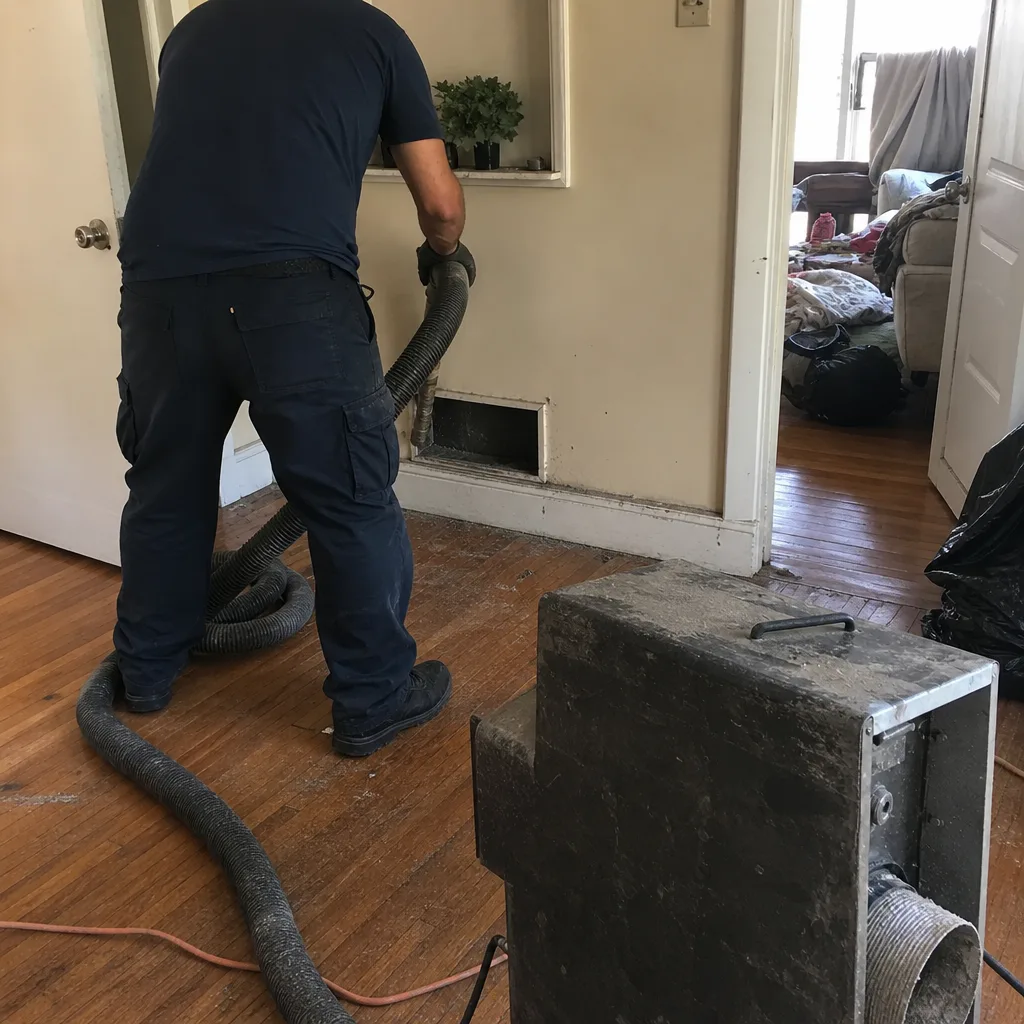 Before
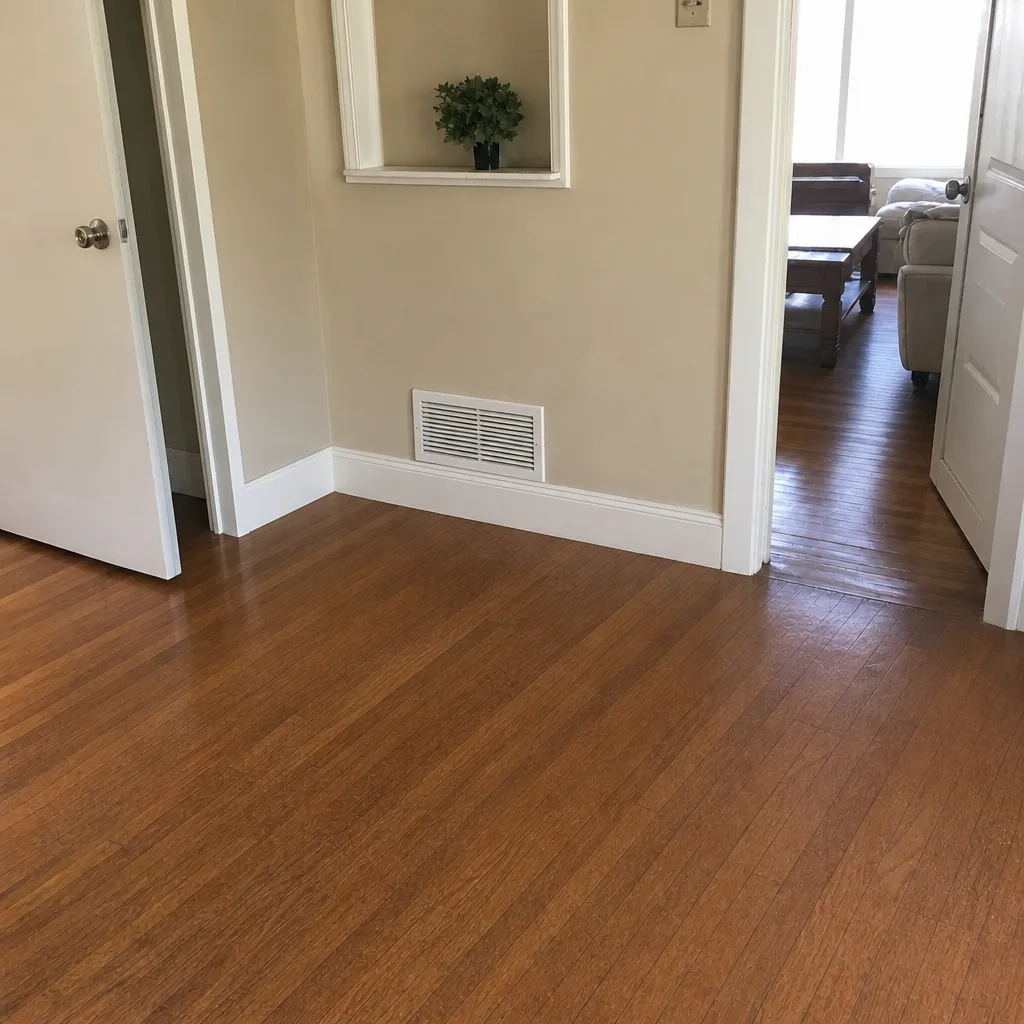 After
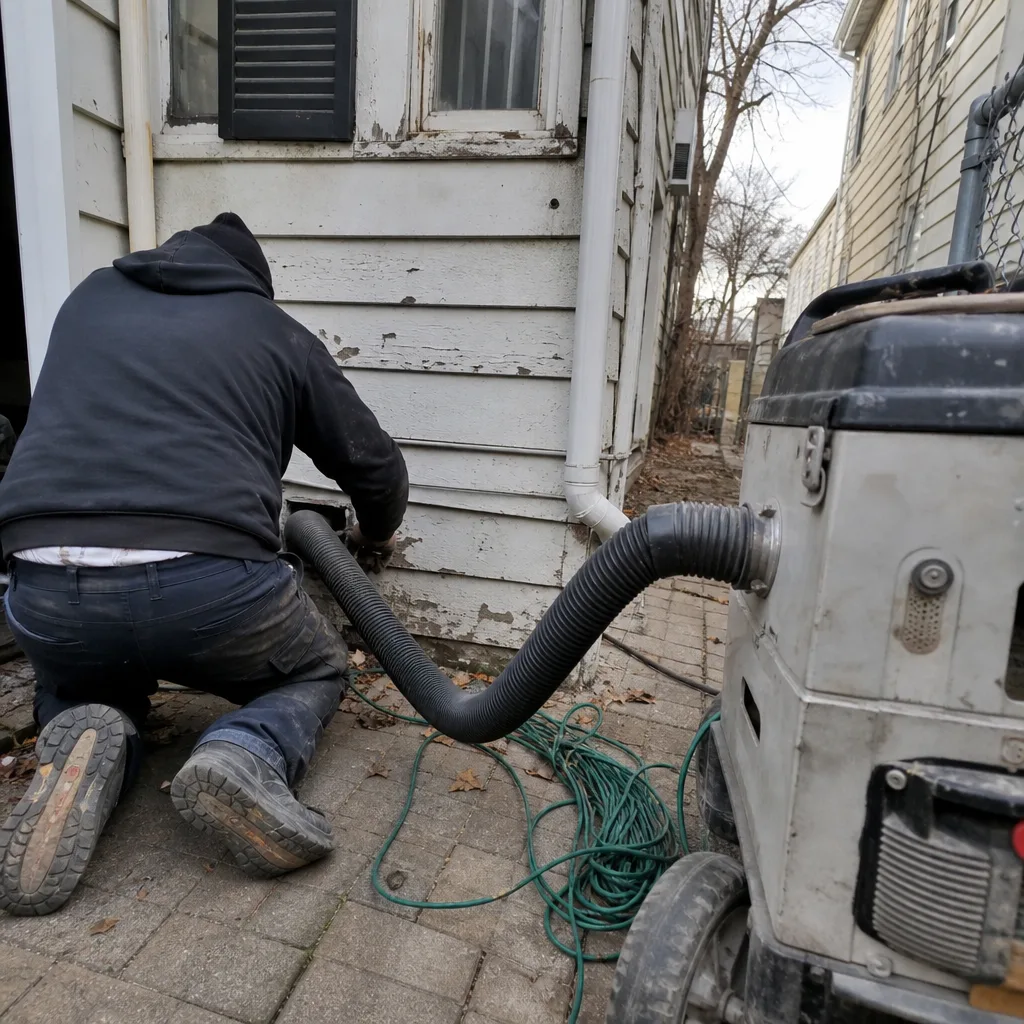 Before
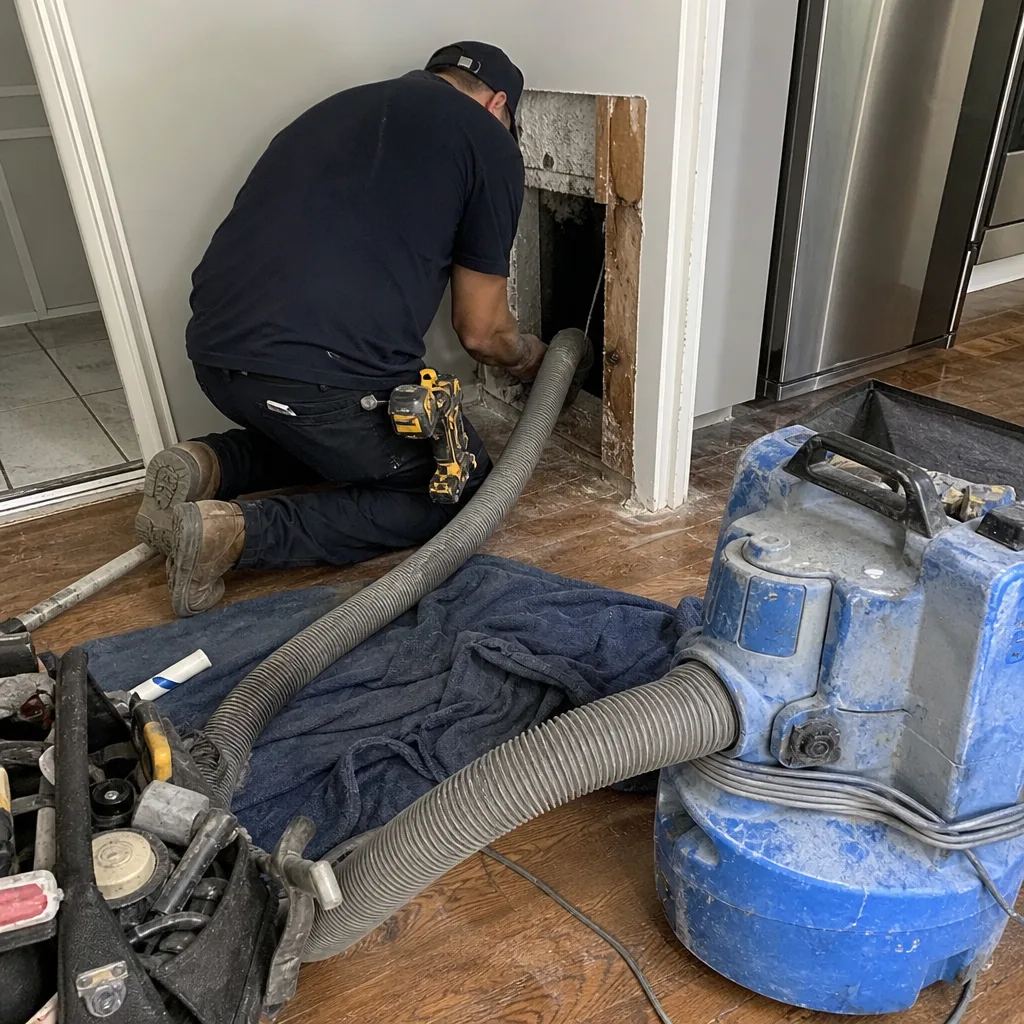
 After
 Before
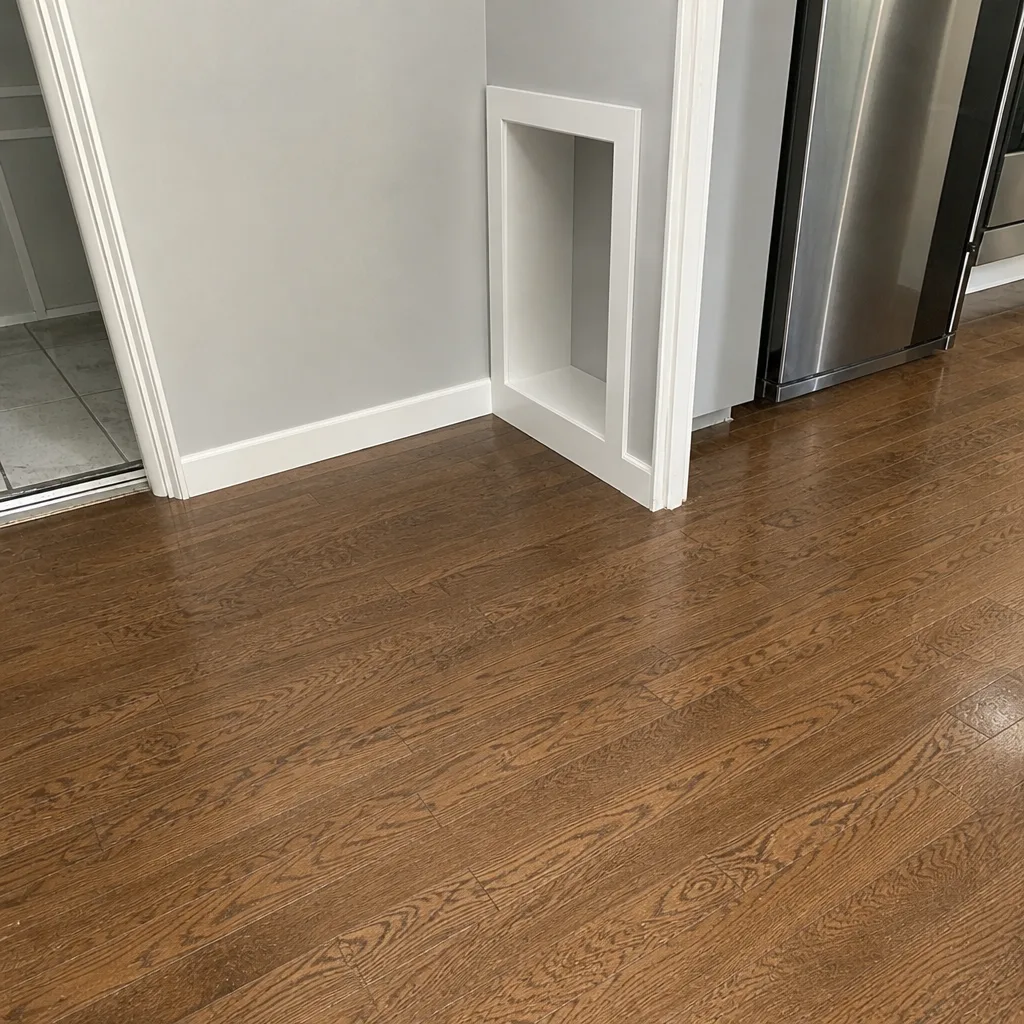 After
When to Call a Professional
Some duct services are routine, and some are urgent. Rely on a professional whenever the system has visible debris around the registers, whenever air from the vents carries dust or an odor, whenever the air handler or coil hasn’t been looked at in years, and whenever a dryer vent is slow, lint-clogged, or long enough to worry about. For South Beach units where the dryer vent runs through walls or the roof, that vent is worth more attention than most homeowners give it. Abatement Technologies equipment matters here, because a duct system showing visible contamination needs a careful, contained removal rather than a quick pass. If you’ve had water intrusion or mold concerns, that goes to the front of the list. We can work with your insurer if a remediation claim enters the picture. Air Duct Cleaning South Beach offers free estimates in South Beach, and our technicians have up to 12 years of experience. Call (877) 792-7501. We answer 24/7. Fast dispatch from 7am to 7pm, Sunday through Friday.
Frequently Asked Questions
Air duct cleaning in South Beach is priced per system, not per vent, and a legitimate quote for a standard residential system typically runs in the low hundreds of dollars, with more for larger homes, multiple zones, or heavy contamination. The written estimate sets the final price. Call (877) 792-7501 for an exact quote. Estimates are free.
Cheaper quotes usually reflect a smaller scope: less equipment, fewer components, or a shop-vac setup that never touches the duct wall. Others are flat-out teaser prices that grow once the technician is inside. The price is the clue, and the equipment question is how you verify it. Call (877) 792-7501 and we’ll walk you through what a real scope should cover.
You ask for before-and-after photos of your own ducts, plus a signed report that lists the components cleaned and the equipment used. If a company can’t show you its documentation process before you book, it doesn’t have one. Call (877) 792-7501 for a free estimate and a clear answer on what you’ll receive.
Most homes go several years between cleanings, and many benefit from an inspection first to see what’s actually inside. Homes with pets, recent renovation, or visible dust around the registers tend to need attention sooner. Dryer vents are a separate question and usually want annual inspection. Call (877) 792-7501 to talk through your system.
It means the company subscribes to a public industry standard, which is useful but not a guarantee. It doesn’t certify the individual technician or the equipment on the truck. Verify the license and insurance yourself and ask the equipment questions directly. Call (877) 792-7501 and we’ll answer them for our own team.
You don’t need to leave, and most of the work happens with you at home. Clear access to the registers and the air handler is helpful. We mask and contain the work to keep the dust under control. If you have questions about your specific setup in South Beach, call (877) 792-7501. Estimates are free.
The Bottom Line
Hiring a duct cleaning contractor in South Beach comes down to three questions asked early: what equipment goes on the truck, what’s in the written scope, and how the work will be documented afterward. A real contractor answers all three without hesitation, quotes one flat price per system, and hands you before-and-after photos of your own ducts. One who gives a per-vent figure, skips the pre-inspection, or shrugs at the equipment question is telling you exactly what the job will be. Ask first. The rest follows.
What Happens When You Call
When you call Air Duct Cleaning South Beach at (877) 792-7501, you reach a team that will walk through the same equipment, scope, and documentation questions this guide puts in your hands. We answer 24/7. Fast dispatch from 7am to 7pm, Sunday through Friday. Every estimate is free, every job is quoted at one flat price per system agreed before work starts, and every visit ends with before-and-after photos of your own ducts and a signed report. Whether you’re booking a routine cleaning, a co-scheduled dryer vent cleaning, or a full HVAC cleaning, the standard is the same. Call for a free estimate today.
Written by the team at Air Duct Cleaning South Beach.