
Last updated November 24, 2026
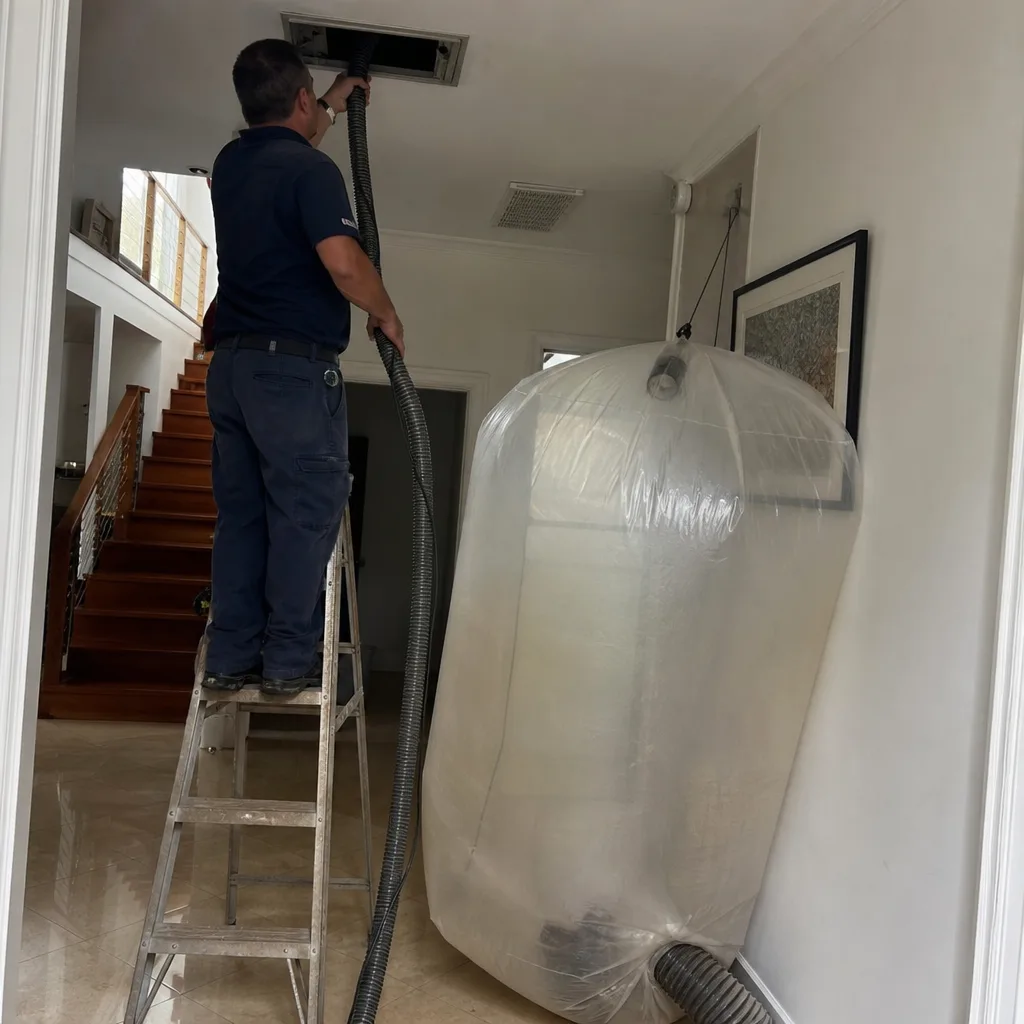
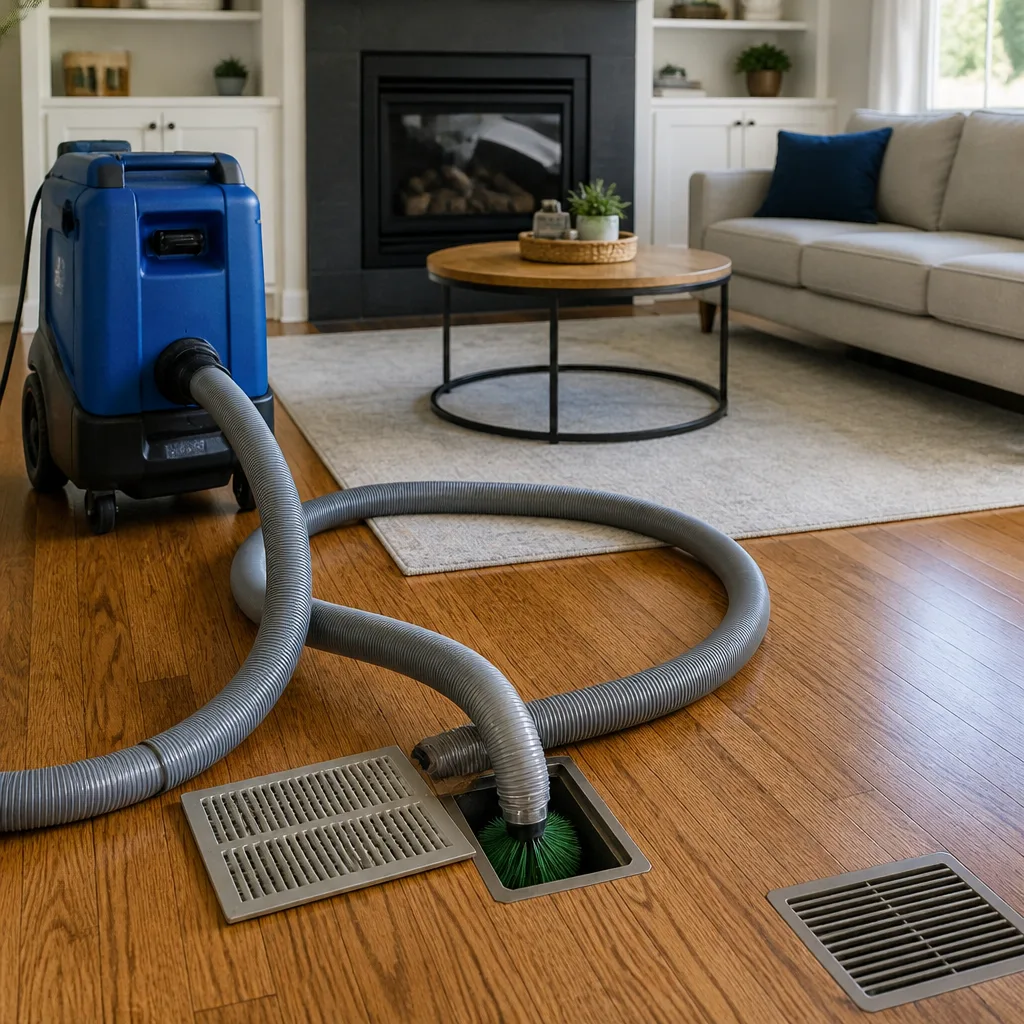 Whole-home duct cleaning
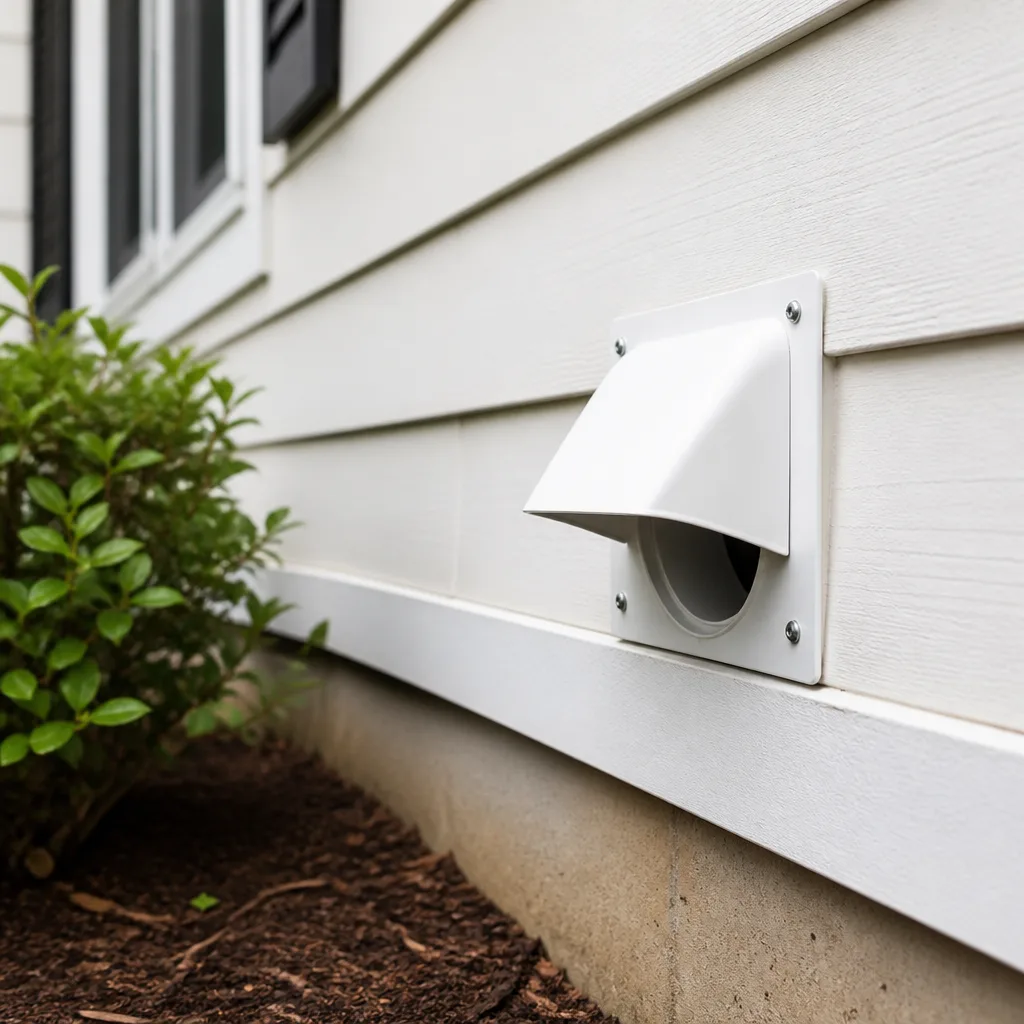 Dryer vent cleaning
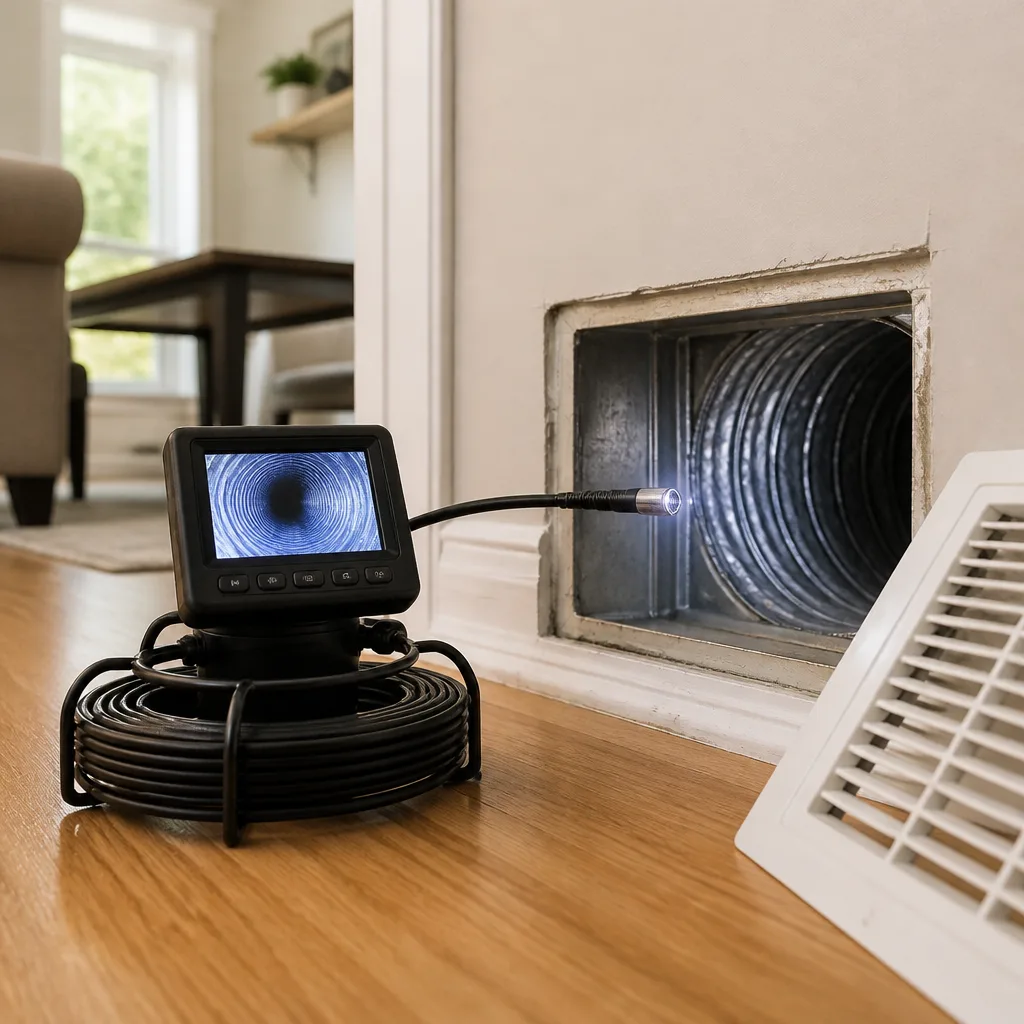 Camera inspection
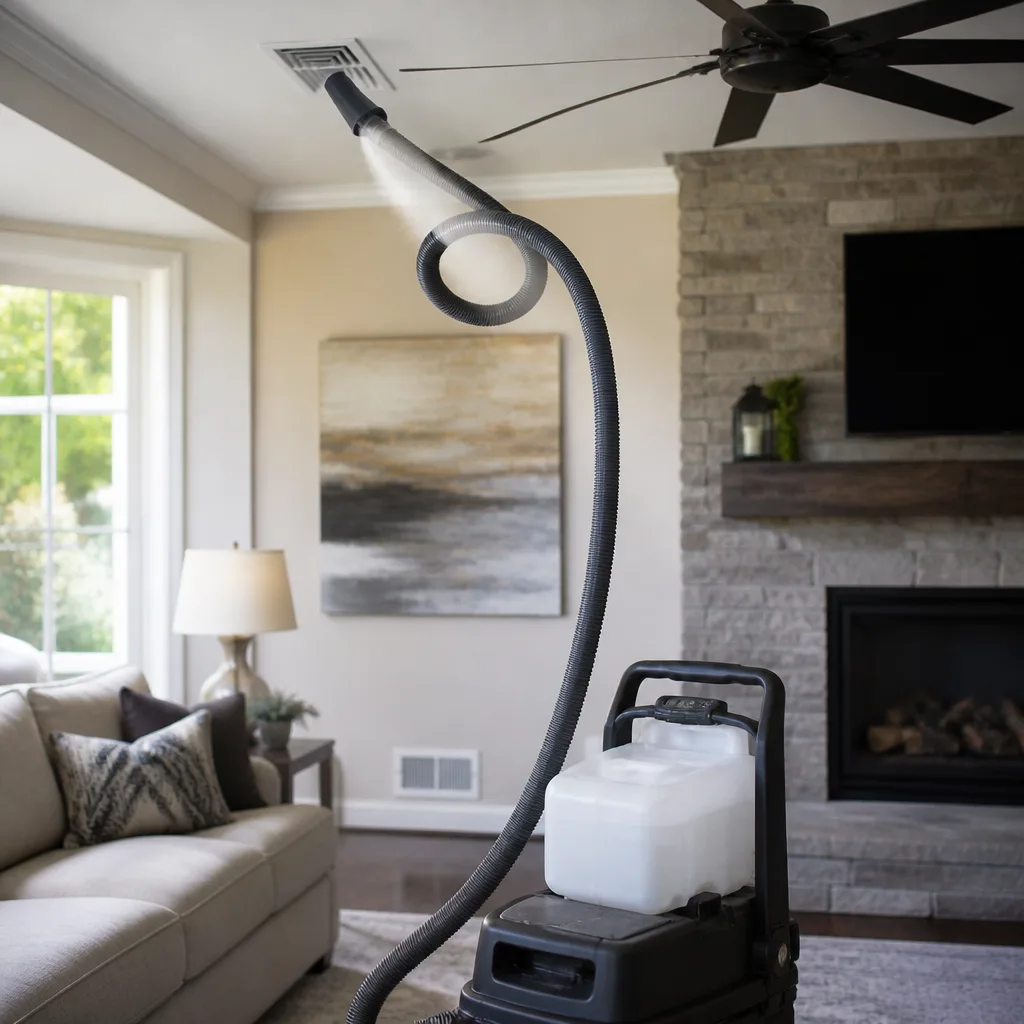 Sanitizing & deodorizing
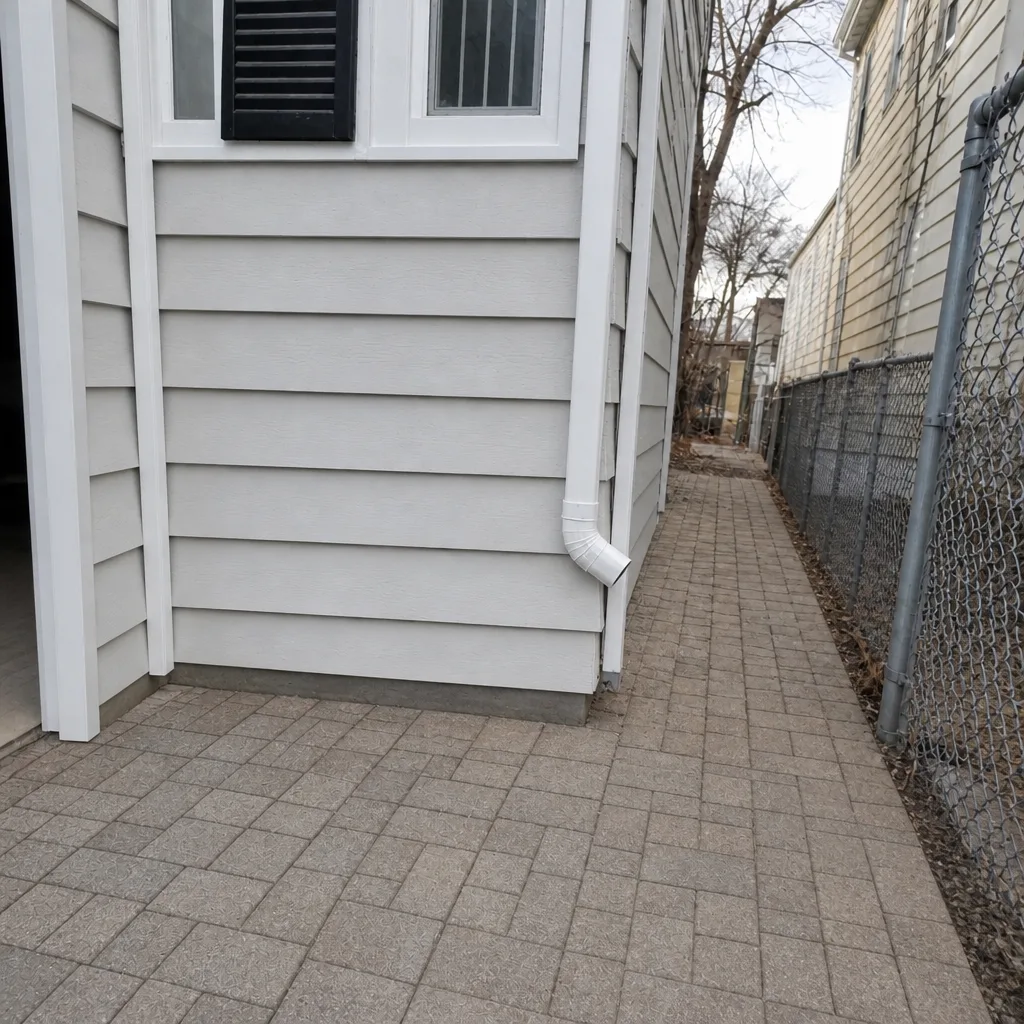
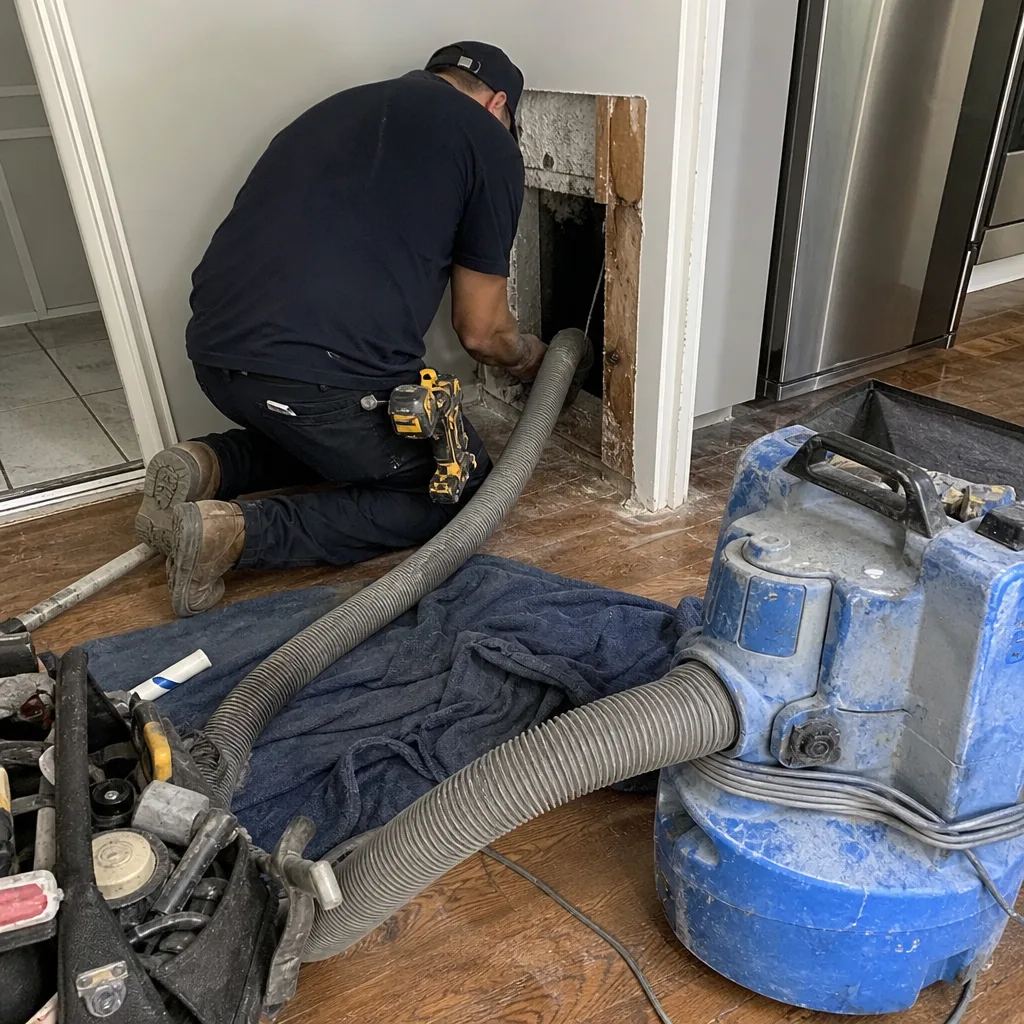
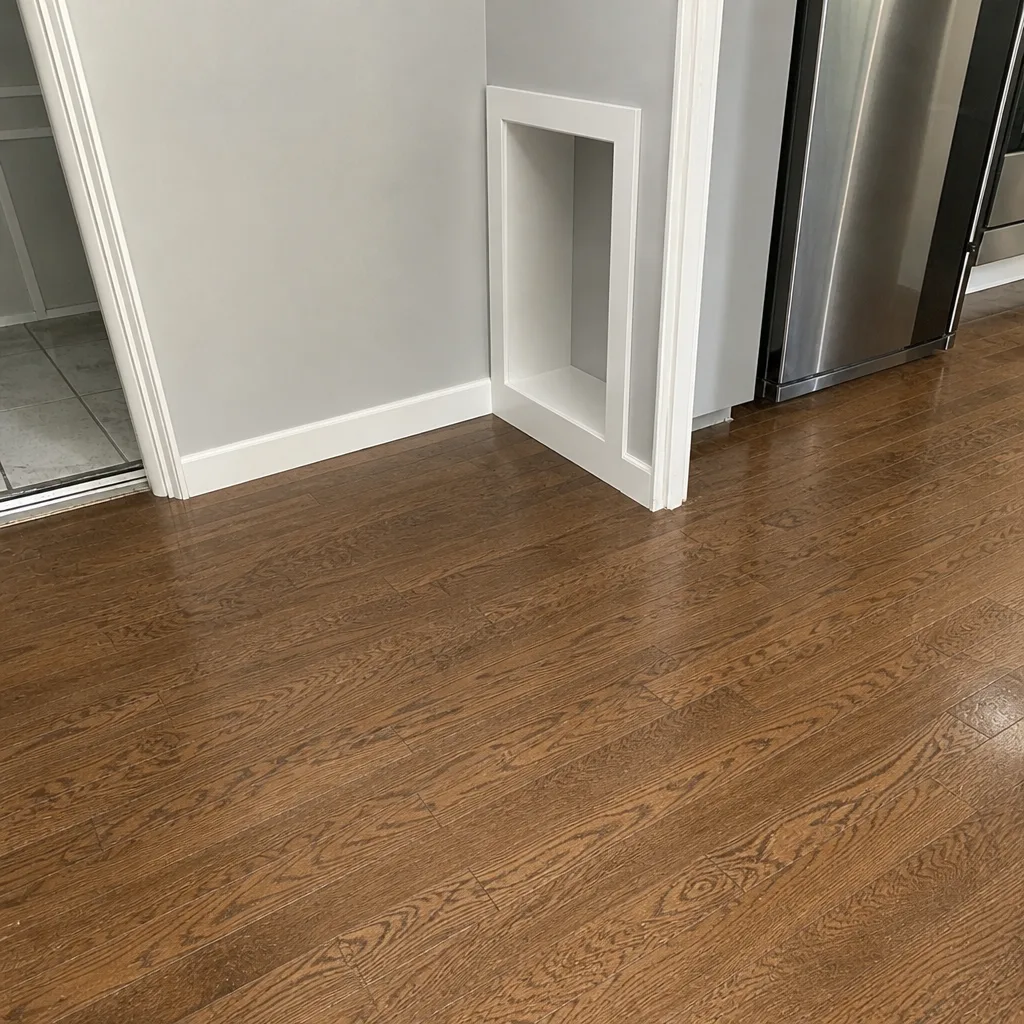
Whole-system duct and dryer vent check with before-and-after photos - you see exactly what came out of your vents
That "$99 whole-house special" is a bait ad - the real number appears once they are in your hallway, or the "clean" is a shop-vac at the register. We photograph the inside of your ducts before and after instead.
Air Duct Cleaning Emergency Preparedness Guide for South Beach Homes
After a hurricane clears South Beach, most homeowners race to get power and air conditioning back on. That instinct is understandable and it is also the moment a compromised duct system can push mold spores, wet insulation fibers, and flood debris into every room at once. The AC does not filter a hurricane out of a house; it recirculates whatever the storm left behind. This guide walks through the sequence that actually protects a South Beach home: how to prepare ducts before a storm makes landfall, how to judge whether the system was compromised afterward, how post-flood remediation differs from ordinary storm-debris cleaning, what your insurer will want to see, and when to bring in a third-party assessment before restarting the HVAC. You’ll finish with a clear, ordered protocol rather than a vague sense that something should be checked.
Quick Answer
If a storm is forecast for South Beach, seal supply and return registers, shut the HVAC system down at the thermostat and breaker, and photograph the ductwork and equipment beforehand. After the storm, do not restart the system until you’ve confirmed the ducts stayed dry and intact; if water entered the system or the building flooded, treat it as contamination remediation with mold protocol rather than a routine cleaning. Document everything with dated photos and a written timeline for your insurance claim, and have a professional inspect before the HVAC runs again.
Styles & brands we work with
- Whole-home duct cleaning
- Dryer vent cleaning
- Camera inspection
- Sanitizing & deodorizing
Table of Contents
- Pre-Storm Duct Preparation for South Beach Homes
- How to Assess Whether Your Ducts Were Compromised
- Post-Flood Remediation vs. Post-Storm Debris Cleaning
- Documentation for Insurance Claims Involving Duct Contamination
- When a Third-Party Assessment Comes Before an HVAC Restart
- The Safe Restart Sequence, Step by Step
- What Professional Post-Storm Duct Work Actually Involves
- Routine Preparedness Between Storm Seasons
Pre-Storm Duct Preparation for South Beach Homes
Preparation is where most South Beach homeowners lose the advantage. The work is simple and it takes an afternoon, but it has to happen before the storm, not after. The goal is twofold: limit how much wind-driven rain and debris can enter the duct system, and make the post-storm assessment faster and more reliable by giving yourself a clean “before” record.
South Beach sits in a hurricane-exposure zone, and the housing stock here ranges from mid-century block homes to newer elevated construction. The duct layouts differ, but the preparation steps don’t. Work through this list before a named storm arrives:
- Seal the registers. Cover supply and return grilles with plastic sheeting and painter’s tape. This keeps wind-driven rain and airborne debris out of the duct mouths if a window fails or a roof opens up.
- Shut the system down properly. Turn the thermostat off and switch the air handler’s breaker off at the panel. A system that isn’t running won’t pull contaminated air through the house if the building envelope is breached.
- Photograph the system. Take dated photos of every register, the air handler, and any exposed duct runs in the attic or crawlspace. This is your baseline for both assessment and insurance.
- Clear the attic and crawlspace. Move stored items away from duct runs so you, or a technician, can see the ductwork clearly afterward.
- Check the dryer vent. Confirm the exterior vent flap closes and isn’t clogged with lint. A blocked or damaged dryer vent is a fire risk that a storm can worsen. This is a good moment to schedule dryer vent cleaning if it’s been a while.
- Note any existing damage. If you already have loose duct joints, torn flex duct, or condensation problems, write it down. Pre-existing conditions are hard to separate from storm damage without a record.
None of this is complicated, and all of it pays off the day after the storm when you’re trying to figure out, quickly and calmly, whether your South Beach home’s duct system is safe to run.
How to Assess Whether Your Ducts Were Compromised
The core question after any storm in South Beach is a binary one: did the ducts stay dry and intact, or didn’t they? Everything else follows from that answer. The assessment is about inspection, not operation – do not run the system to “see if it works.” Here’s how to check, in order:
- Inspect from the outside first. Look for missing roof shingles, soffit damage, or debris impact near where ductwork runs. If the roof envelope failed, assume duct contamination is possible until proven otherwise.
- Open a few registers. Shine a light into the duct. Visible water, damp insulation, dark streaking, or a musty smell are red flags.
- Check the air handler and plenum. Look for standing water, rust, or water staining on the cabinet and nearby insulation. A wet air handler means the whole system is suspect.
- Look at the duct runs in the attic or crawlspace. Sagging flex duct, torn vapor barrier, or condensation on the exterior of the duct are signs of moisture intrusion.
- Smell test. A musty, earthy smell coming from a register is the most common early signal of mold growth in the system.
- Check the building itself. If any part of the home flooded, contamination entered the ducts whether or not you can see it yet.
If any of these checks come back positive, treat the system as compromised. That’s the moment to call in professional inspection rather than test it with the thermostat. For a South Beach home, the cost of one inspection is trivial compared to the prospect of circulating mold spores through every room in the house. Our technicians have up to 12 years of experience reading exactly these signs, and a professional air duct cleaning assessment can tell you quickly whether the system needs debris cleaning, remediation, or just a clean bill of health.
What a Compromised System Looks Like vs. a Lucky One
- Lucky: Registers sealed, roof intact, no standing water, duct interior dry and clean, no smell. Run a normal cleaning cycle if it’s due; resume use.
- Compromised by debris only: No moisture, but wind-driven dust, insulation fibers, or drywall dust in the ducts. Needs mechanical cleaning, not remediation.
- Compromised by moisture: Damp insulation, water staining, musty odor. Needs remediation and mold protocol before the system runs.
- Compromised by flooding: Water entered the system or the building flooded. Full remediation, professional assessment, and likely insurer involvement.
Post-Flood Remediation vs. Post-Storm Debris Cleaning
This is the distinction that gets blurred by contractors after every storm in South Beach, and it matters to your health and your insurance claim. Post-storm debris cleaning and post-flood remediation are not the same job, and one should never be sold as a substitute for the other.
Post-storm debris cleaning is a mechanical cleaning job. Wind-driven dust, insulation fibers, drywall particles, and outdoor debris find their way into a duct system through failed seals, open registers, or a breached building envelope. The ducts are dry. The fix is source removal with rotary brush and vacuum equipment, which is what you’d recognize from a routine professional cleaning.
Post-flood remediation is a contamination job. Water entered the system, insulation got wet, and mold growth is possible or already present. This is where the equipment matters enormously. Remediation requires negative-pressure containment to keep spores from spreading through the South Beach home, HEPA filtration, antimicrobial treatment of the affected surfaces, and often replacement of wet duct insulation or flex sections. Abatement Technologies equipment exists specifically for this class of work: contamination scenarios where the goal is containment plus removal, not just clearing dust.
If a contractor offers to “clean the ducts real quick” after water intrusion and calls it done, that’s a signal to look elsewhere. Mold in a duct system doesn’t get fixed by vacuuming the surface. It’s fixed by addressing the moisture source, containing the affected area, removing contaminated material, and verifying the result. The two jobs also carry different documentation requirements and different insurance treatment, which we’ll get into next.
Documentation for Insurance Claims Involving Duct Contamination
Insurers handle duct claims with much more scrutiny than most homeowners expect. The adjuster’s first question is almost always the same: how do we know what was storm-caused versus pre-existing? Your documentation answers that question before it’s asked. Build the file in parallel with the cleanup, not after.
Here’s what we tell South Beach homeowners to compile for any claim involving duct system contamination:
- Dated before-photos. Every register, air handler, and exposed duct run. Timestamped. This is what separates storm damage from pre-existing wear.
- Dated after-photos. Same locations, once the storm has passed and any water or debris is visible. Don’t clean up visible damage before you photograph it.
- A written timeline. When the storm hit, when you noticed water or debris, when you shut the system down, when you called a professional. A simple shower everclear.
- Professional assessment report. A written inspection from a qualified technician, stating what was found, what’s required to fix it, and whether the issue is contamination or debris.
- Equipment list. Ask the contractor to note the equipment used in the written report. Insurers appreciate specifics: rotary brush and vacuum extraction systems like Rotobrush or Nikro, containment equipment if remediation was required. Named equipment is harder to dispute than “duct cleaning.”
- Photo evidence of the work. Before-and-after photos of the interior of your own ducts, not generic stock images.
One more item: if the home flooded or the duct system was clearly saturated, get a third-party assessment before HVAC restart, and get it in writing. That’s covered in the next section.
When a Third-Party Assessment Comes Before an HVAC Restart
Sometimes a storm leaves a South Beach home with an obvious mess: visible water in the ducts, a flooded crawlspace, a musty smell that won’t quit. Other times the damage is sneaky. The question of when to bring in an independent assessment before restarting the HVAC matters most in three scenarios.
Scenario one: the building flooded at or above the level of the ductwork. If water reached the ducts, the system is a contamination site until proven otherwise. An independent assessment before the HVAC restarts protects you from disbursing mold spores into the living space and protects your insurance claim.
Scenario two: the home is older and has sustained visible storm damage. Older South Beach homes often have duct systems that were already marginal before the storm. A third-party assessment gives you a documented condition report and separates storm damage from pre-existing issues.
Scenario three: your insurer requests an independent opinion. If the adjuster questions the extent of duct damage or the necessity of remediation, an independent inspection gives both you and the insurer a neutral point of reference. Don’t argue the claim yourself; document it with a report.
An independent assessment costs less than the alternative. A South Beach home that restarts a compromised HVAC system can end up with mold spores distributed across every room, and the cleanup at that point is far bigger than any inspection fee. If your instinct says the ducts took on water, trust it and have the system inspected before you switch it on.
What the Assessment Should Cover
- Visual inspection of supply and return ducts, air handler, and plenum.
- Moisture reading of duct insulation and surrounding building materials.
- Odor evaluation and, if needed, surface sampling for mold.
- Written condition report with photographs.
- A recommendation for repair, remediation, or routine cleaning, with reasoning.
The Safe Restart Sequence, Step by Step
If your South Beach home made it through the storm and the ducts have been confirmed dry and intact, you can restart the system. Do it in order, and stop if anything seems off.
- Confirm the inspection results. No water in the ducts, no visible mold, no musty smell. If any of that is uncertain, get it checked before restarting.
- Check the air filter. Replace it if it’s wet or visibly loaded with debris. A clogged filter after a storm is one of the most common causes of a labored HVAC restart.
- Check for blockages. Make sure the exterior grilles and condenser unit aren’t packed with leaves, branches, or storm debris.
- Turn the thermostat fan to “on” briefly. Let the fan run without heating or cooling for a few minutes. Listen for unusual noise, and use your nose: if the first air it pushes smells musty, shut it back down and call for inspection.
- Turn on cooling normally. Watch for normal airflow at each register. Weak airflow at one or more registers may indicate duct damage somewhere in the run.
- Monitor for the next several days. Watch for new smells, condensation, or water stains. If anything appears, shut the system down and call.
If at any point you’re unsure, don’t push through it. We answer 24/7. A quick call can save a system from damage that’s much more expensive than an inspection. Call (877) 792-7501 for an exact quote – estimates are free.
What Professional Post-Storm Duct Work Actually Involves
After a storm, every van in South Beach seems to offer duct cleaning. The difference between a professional post-storm job and a quick surface vacuum is mostly equipment and process, and both show clearly in the finished result. Here’s what the work should actually look like.
Source removal, not surface suction. Professional extraction means mechanical agitation of the duct walls combined with high-capacity vacuum, so the debris actually leaves the system. We use Rotobrush and Nikro systems for this. A portable shop vacuum can’t generate enough airflow or reach deep enough into duct runs to matter, and you can see the difference in a before-and-after photo of the duct interior.
Containment for contamination jobs. For jobs involving mold, allergens, or post-flood contamination, the work is done under negative pressure with equipment designed for remediation, like An Abatement Technologies system. This keeps spores from spreading into the living space during the cleaning itself, which is the entire point of the exercise.
Sanitizing with named products. After the mechanical cleaning is complete, sanitizing treatment knocks down remaining microbial growth on cleaned surfaces. We use Guardsman-brand products for this step rather than generic sprays. The product used matters, and you should be able to ask what it is.
Repair and sealing as part of the job. Storm damage that loosens duct joints or tears flex duct should get fixed as part of the post-storm work, not as a separate upsell months later. Sealed ducts mean the air you paid to cool actually reaches you, which is especially important in a South Beach summer. Duct repair and sealing is part of the service menu for exactly this reason.
Filtration that makes sense for the home. If your system has Honeywell or Aprilaire filtration or air-quality equipment installed, post-storm work should include checking that hardware too. A $40 filter cartridge can’t fix a compromised duct system, but a properly filtered system after the ducts are clean is a meaningful upgrade to indoor air quality.
Routine HVAC cleaning keeps the coil, blower, and cabinet clear so that a normal post-storm restart is more likely to go smoothly. Clean ducts plus sealed joints plus quality filtration: each one makes the others work better.
Routine Preparedness Between Storm Seasons
Storm preparedness for a South Beach duct system is not a single event. It’s a set of habits, most of them cheap and quick, that turn a hurricane from a potential contamination event into a manageable inconvenience.
- Schedule a professional duct cleaning on a regular cycle. Most homes need it every few years, sooner if you have pets, allergy sufferers, or recent renovation work. Walking through Air Duct Cleaning South Beach makes the reason plain: clean ducts deliver cleaner air with less strain on the system.
- Keep a storm kit for your HVAC. Plastic sheeting, painter’s tape, and a set of spare filters, kept in the same place every year. If a named storm is approaching, you’ll want them within reach.
- Fix duct problems now, not next June. Loose joints, torn flex duct, and condensation are easy to defer and hard to defer through a storm. Small repairs done early prevent big ones after a season.
- Keep your pre-season photos current. Retake the baseline photos after any duct modification. Insurance adjusters care about timestamps.
- Know your dryer vent condition. It’s a separate fire risk that storm damage can worsen. Get it cleaned routinely, and check it after the storm passes.
- Note the filtration you have installed. Write down the model of any Honeywell or Aprilaire equipment in the system so it’s easy to service and replace at the right time.
South Beach homeowners who keep this list current are the ones who come through a storm with a duct system to be proud of, instead of a remediation project to schedule.
Common Mistakes to Avoid
- Restarting the HVAC to “check.” Every minute that a compromised system runs pushes contaminants into every room of a South Beach home. Inspect first, then restart.
- Assuming visible cleanliness equals safe ducts. Mold and moisture can hide in the ductwork behind an otherwise intact register. A musty smell or storm damage to the envelope means professional inspection.
- Treating post-flood contamination like routine cleaning. Debris cleaning and remediation are different jobs done with different equipment. Quick post-storm “cleaning” after water intrusion isn’t remediation.
- Skipping documentation. Photographs and written reports taken now are what make an insurance claim provable later. Do it before cleanup.
- Ignoring the dryer vent. A blocked or damaged dryer vent is a fire risk that doesn’t announce itself. Storm season is the right time to check it.
- Calling the cheapest post-storm crew. In South Beach, the cheap post-storm crew is often the one without containment equipment or remediation capability. Ask what equipment they use and write it down.
- Restarting before a third-party assessment. When a home is flooded or the ducts are clearly saturated, an independent assessment is cheap insurance.
See the difference
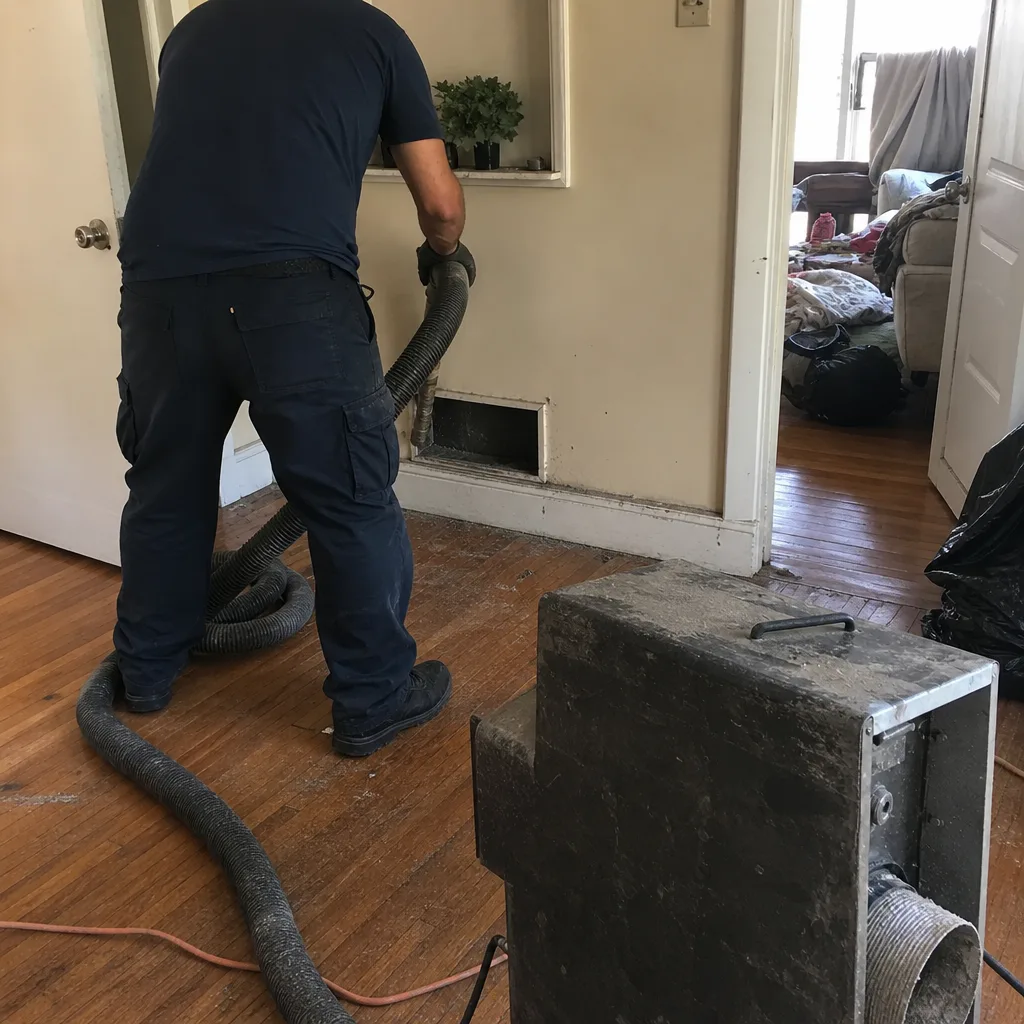 Before
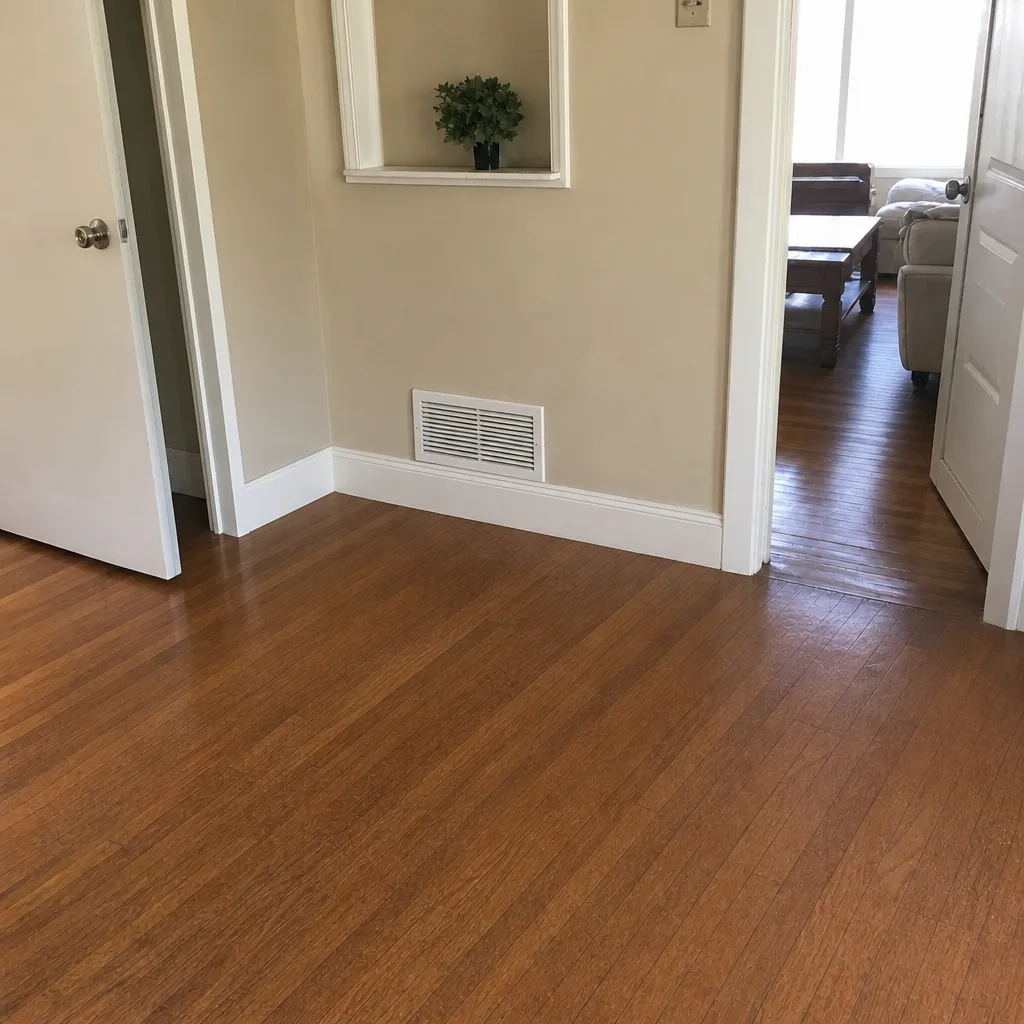 After
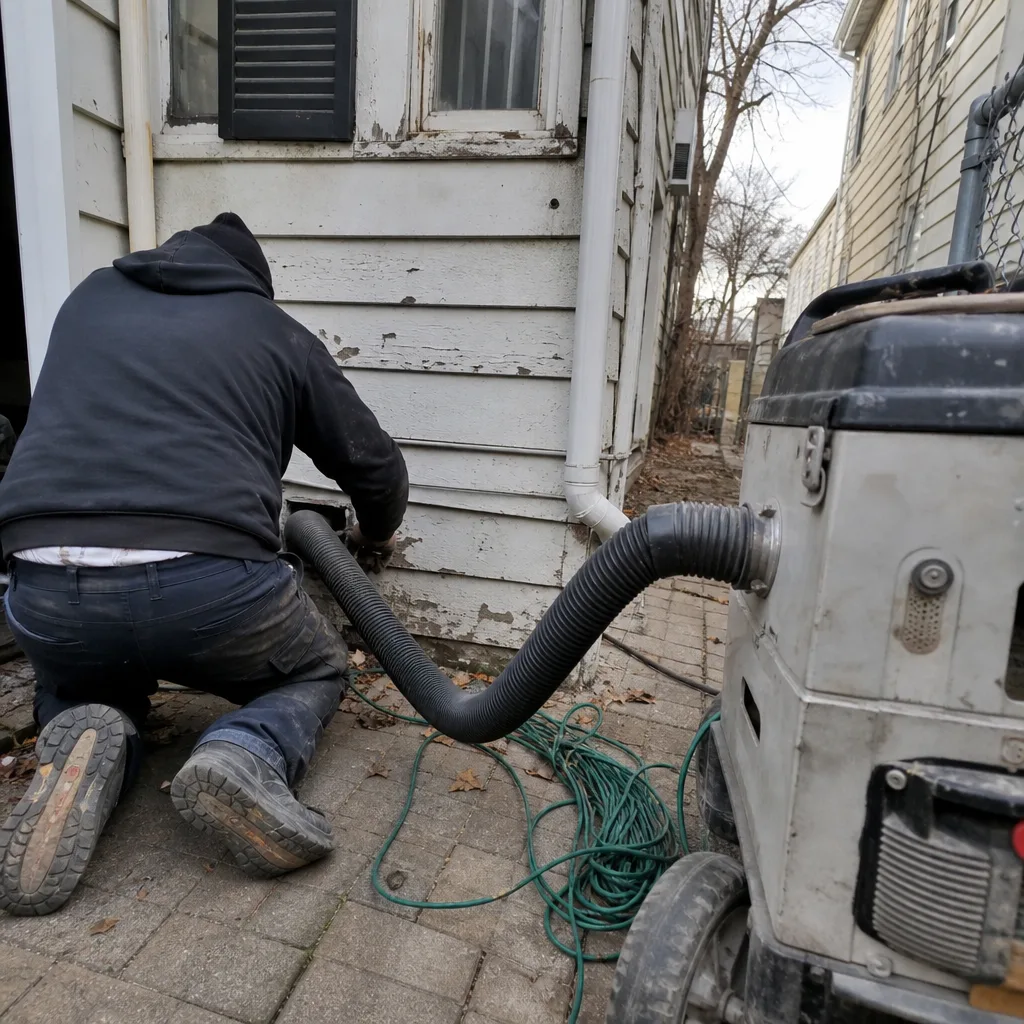 Before
 After
 Before
 After
When to Call a Professional
Call for professional duct inspection in South Beach if any of the following is true: water reached the ducts or the building flooded to the level of ductwork; you smell a musty odor when the system runs; visible moisture or staining appears on duct insulation, the air handler, or the plenum; the roof or a wall opened up during the storm and wind-driven debris may have entered the system; the system hasn’t restarted cleanly after the storm; or your insurer asks for a documented assessment. Professional dryer vent cleaning is also worth scheduling alongside the duct inspection, since both are storm-preparedness items. Air Duct Cleaning South Beach offers free estimates in South Beach – call (877) 792-7501. We answer 24/7. Fast dispatch from 7am to 7pm, Sunday through Friday, closed Saturday.
Frequently Asked Questions
No. After every hurricane you should inspect, and you should photograph. Cleaning is only required if the inspection shows debris, moisture, or contamination. A home whose registers were sealed, whose roof stayed intact, and whose ducts stayed dry is fine with a routine cleaning cycle whenever that’s due, not an emergency job.
Duct cleaning is mechanical source removal of accumulated debris. Duct remediation is a contamination response for water intrusion and mold growth, done under negative-pressure containment with HEPA filtration, antimicrobial treatment, and often replacement of wet insulation. If water entered the system, you need remediation, not cleaning. Call (877) 792-7501 for an exact quote – estimates are free.
Coverage depends on your policy, the cause of contamination, and your documentation. A homeowner’s policy typically covers sudden storm-caused damage; it often does not cover pre-existing issues or neglected maintenance. The best strategy is to document everything: dated photos, a written timeline, and a professional assessment report. Your insurer is the authority on your specific coverage.
You know when an inspection confirms three things: the duct interior is dry, no visible mold or dark streaking is present, and there’s no musty smell when the fan runs. If any of those is uncertain, treat the system as compromised until a professional inspection says otherwise. Do not restart the HVAC to test it.
Not until you’ve inspected the system. Turn the fan on briefly and use your nose and ears before running cooling: if the first air smells musty or unusual, shut it back down. If anything about the ducts seems off, call for an inspection before restarting.
Most homes are due every few years, sooner if you have pets, allergy sufferers, or recent renovation work. South Beach’s storm exposure makes routine inspection sensible even between storms, since small duct problems get worse through a season and are cheaper to fix before a storm threatens. Call (877) 792-7501 for an exact quote – estimates are free.
The Bottom Line
Duct preparedness for a South Beach home is a sequence, not a single service call. Before a storm: seal registers, shut the system off, photograph the baseline, and clear access to the duct runs. After a storm: inspect before you restart, distinguish debris cleaning from flood remediation, and document everything in writing. When water enters the system or the building floods, bring in a professional assessment before the HVAC runs again, and get the report in writing for your insurer. The equipment used matters as much as the process: rotary brush and vacuum extraction, containment for contamination jobs, sanitizing with named products, and repair and sealing built into the work. Clean ducts plus sealed joints plus quality filtration: each one makes the others work better. Hosting a storm is a South Beach way of life, but a compromised duct system doesn’t have to be. Call (877) 792-7501. We answer 24/7. Fast dispatch from 7am to 7pm, Sunday through Friday, closed Saturday. The estimate is free, and the written estimate sets the final price.
Related reading
- HVAC cleaning – keeping the coil and cabinet clear so the system restarts clean.
- dryer vent cleaning – a fire risk worth checking before and after any storm.
- air duct cleaning – routine source removal for the rest of the year.
- Air Duct Cleaning South Beach – the full service menu under one roof.
Written by the team at Air Duct Cleaning South Beach.