
Last updated November 24, 2026
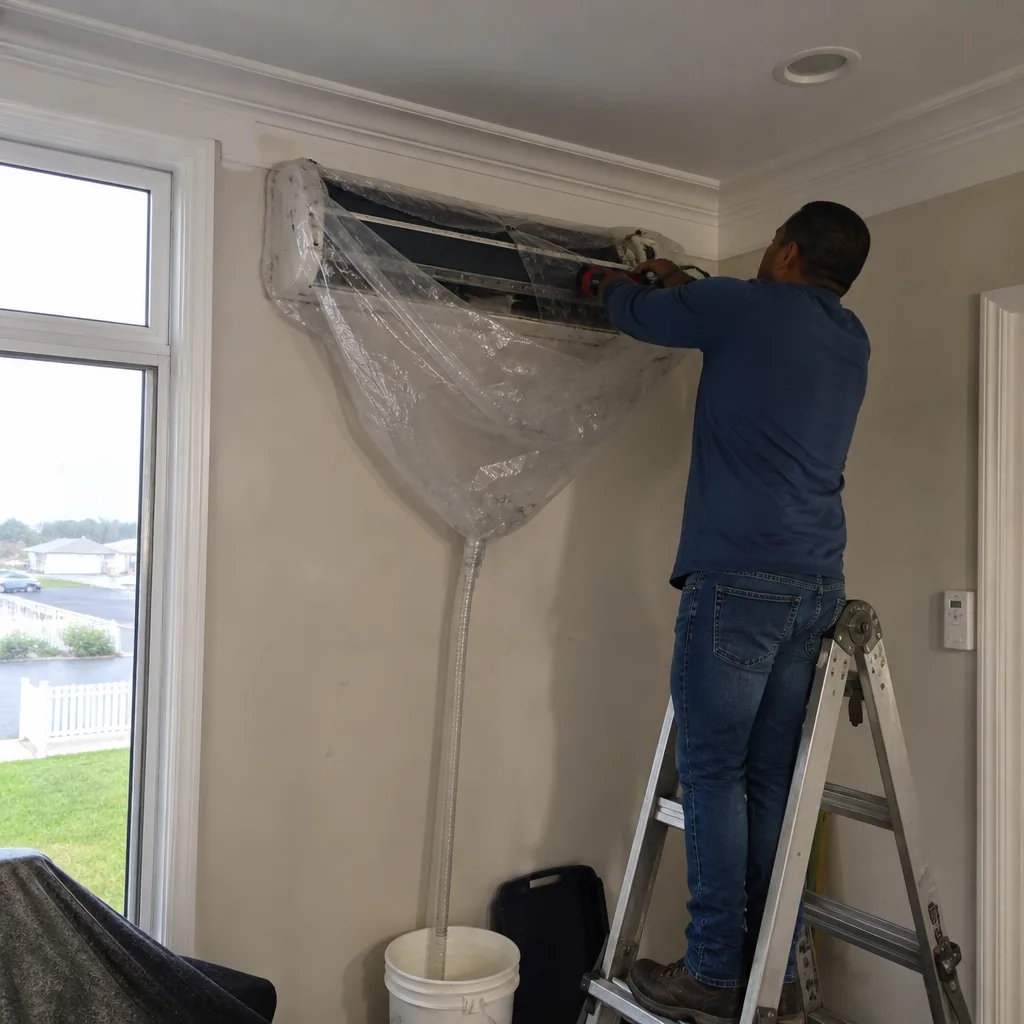
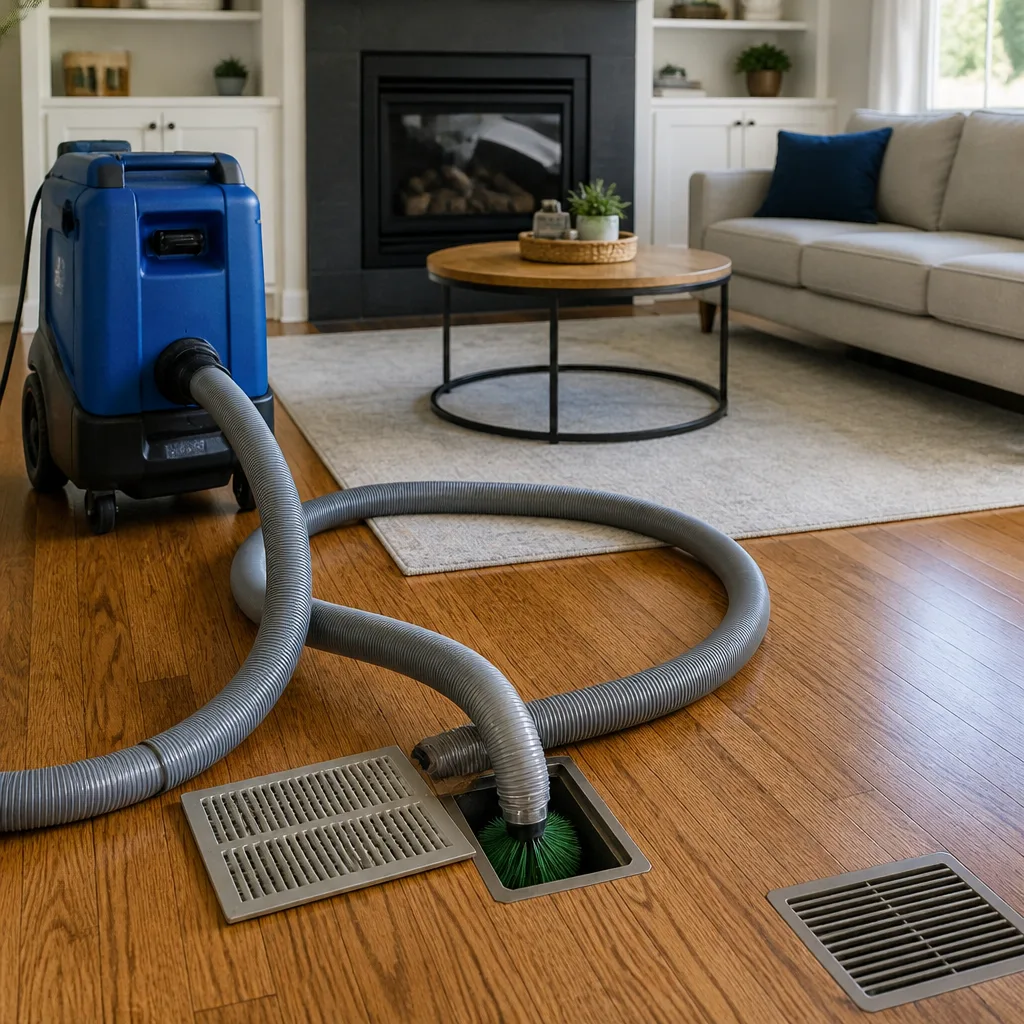 Whole-home duct cleaning
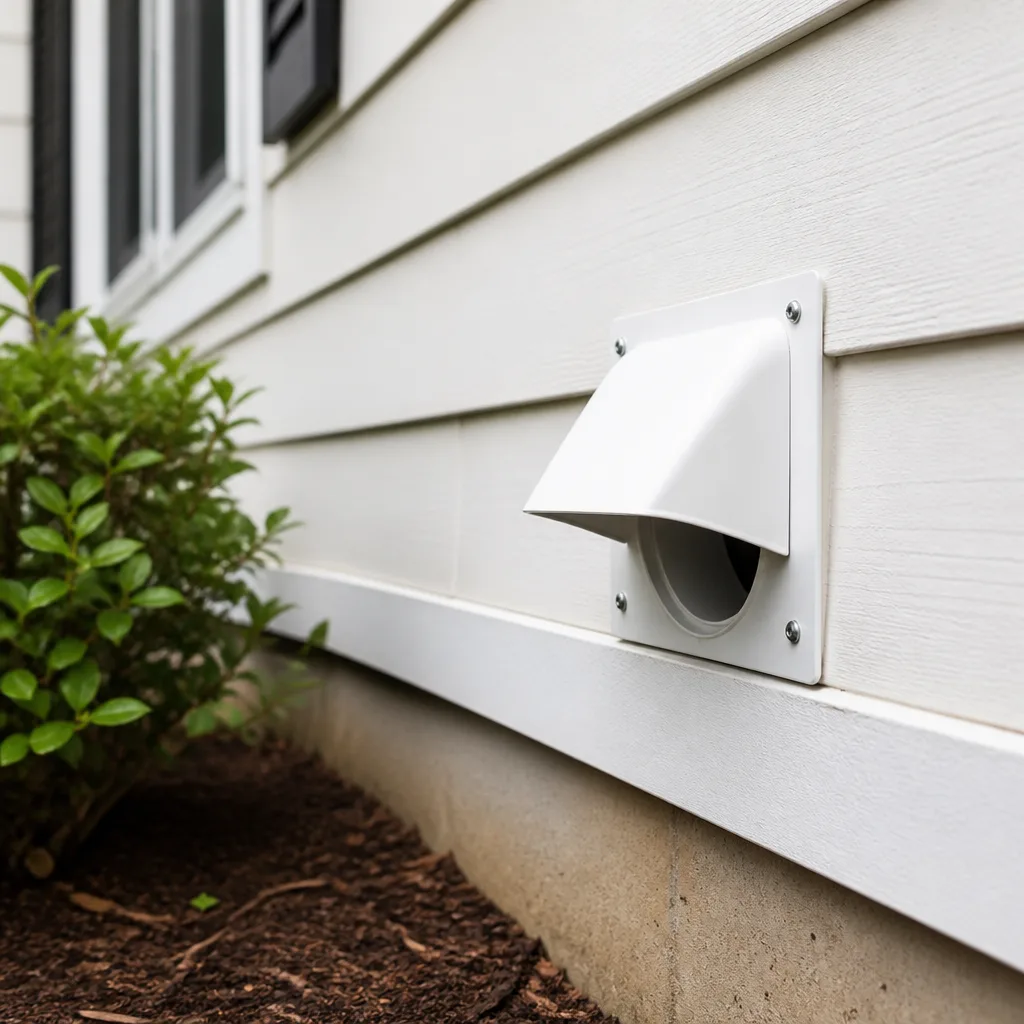 Dryer vent cleaning
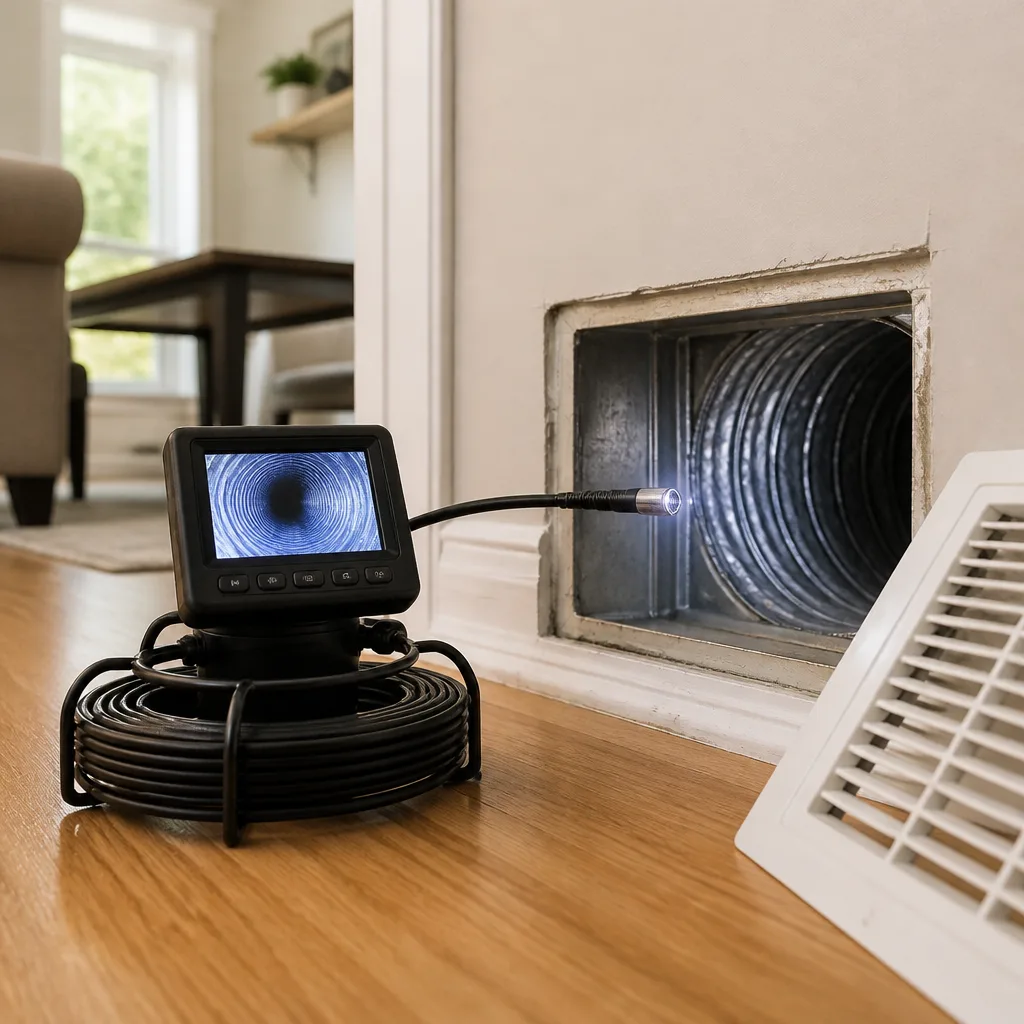 Camera inspection
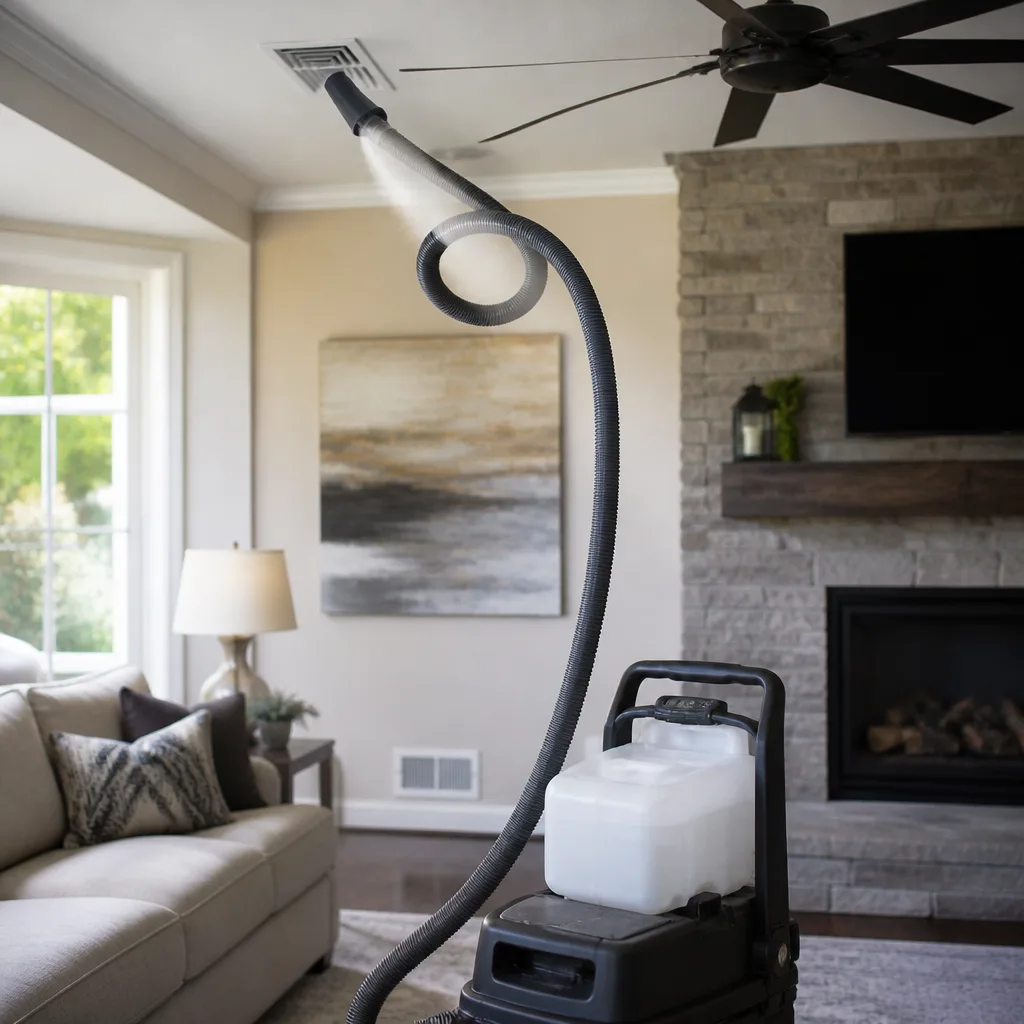 Sanitizing & deodorizing
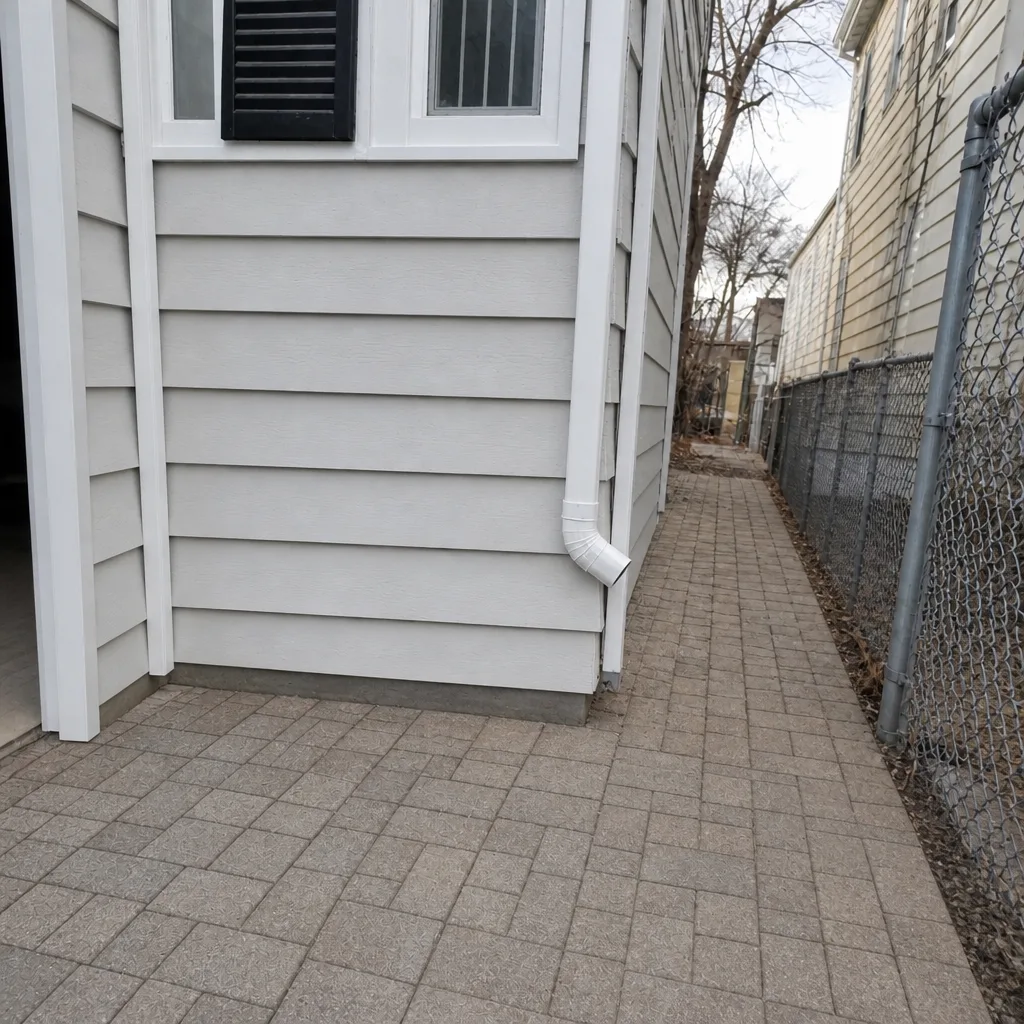
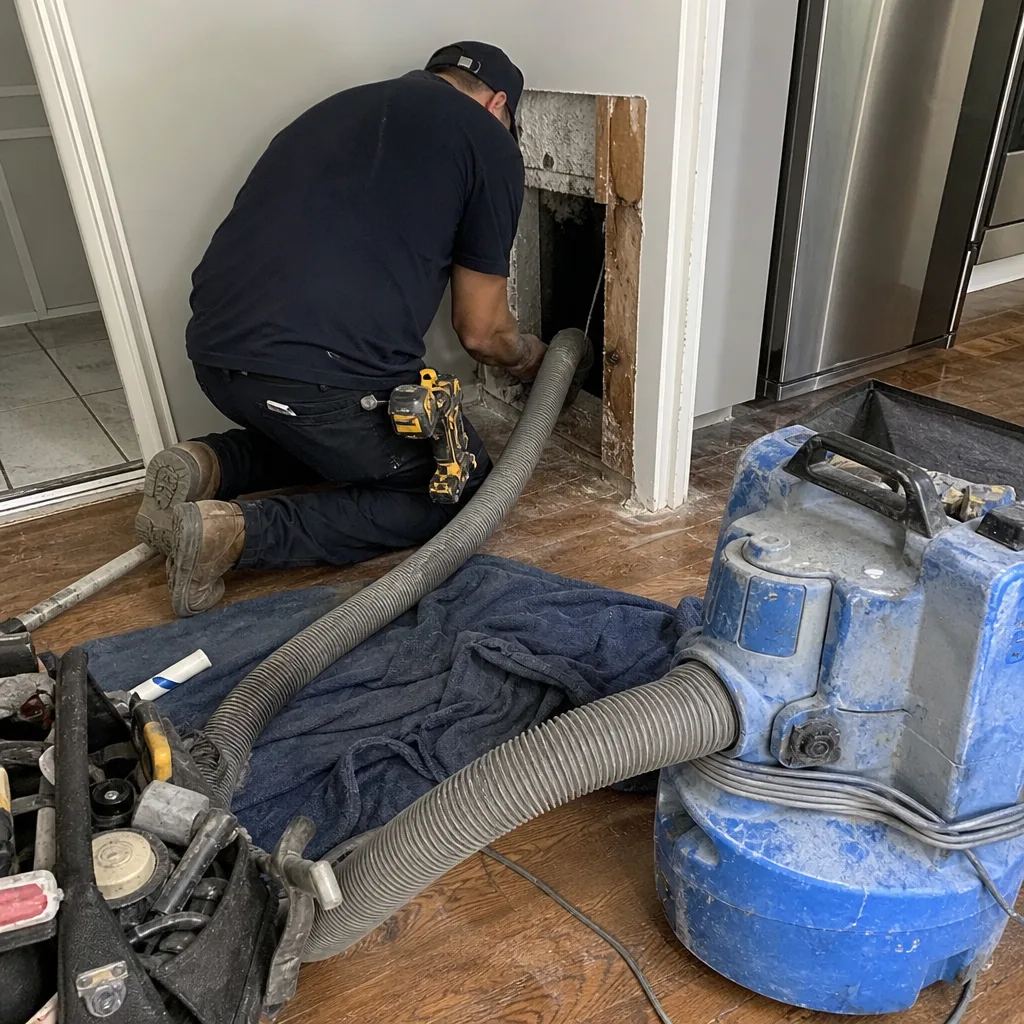
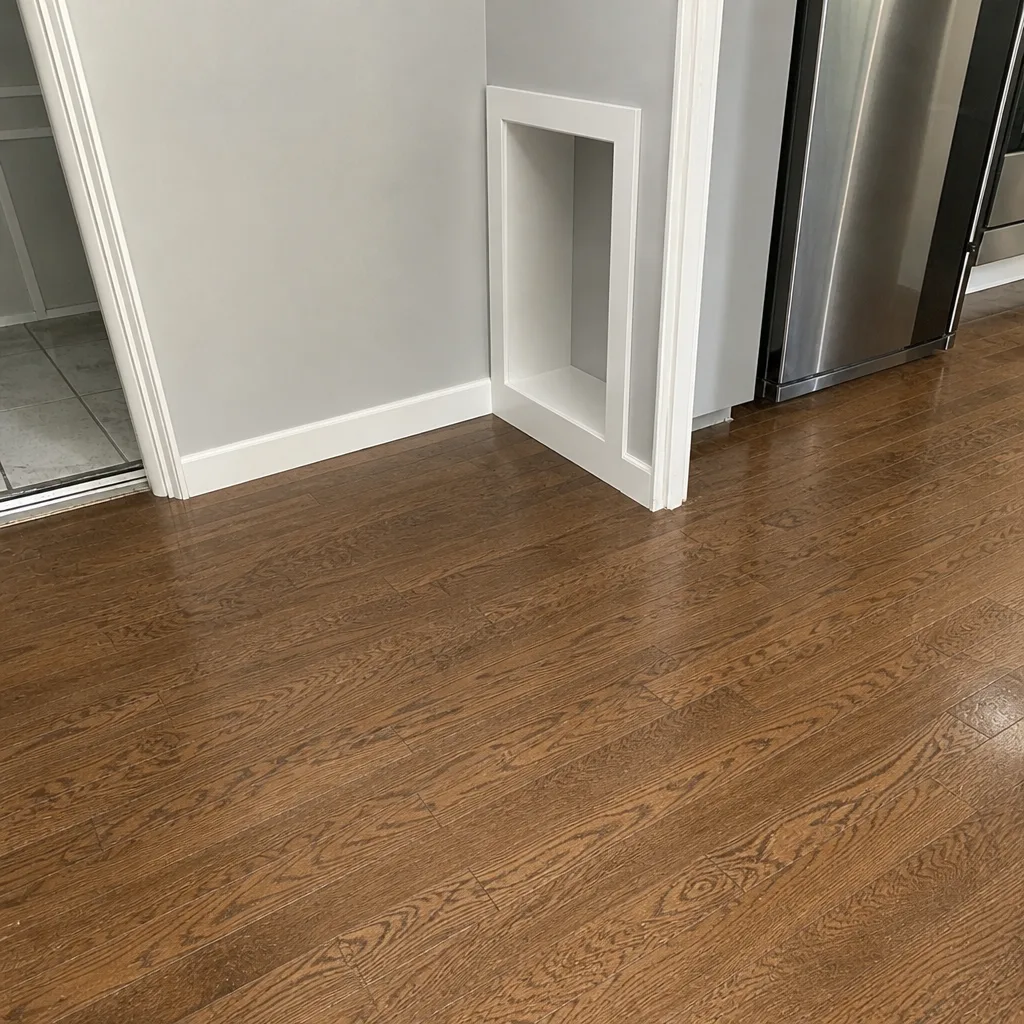
Whole-system duct and dryer vent check with before-and-after photos - you see exactly what came out of your vents
That "$99 whole-house special" is a bait ad - the real number appears once they are in your hallway, or the "clean" is a shop-vac at the register. We photograph the inside of your ducts before and after instead.
Choosing the Right Air Duct Cleaning Brand: A Buyer’s Guide for South Beach
Every duct cleaning company claims “professional-grade equipment” on its website. Very few name the brands. That gap is worth your attention. The specific machines a contractor brings into your home are either real industry references or they aren’t, and the difference takes about thirty seconds to verify. Brand names aren’t marketing decoration; they’re an accountability shortcut. A company willing to name Rotobrush or Nikro is inviting you to check. A company that says “state-of-the-art equipment” without naming a single system is asking you not to. In this guide you’ll learn the recognized equipment categories in professional duct cleaning, how to cross-reference claims against manufacturer records, and how to ask about equipment without sounding like you’re interrogating anyone. We’ll keep the focus on South Beach, where humidity, older buildings, and dense multi-unit housing make equipment choices matter more than they might elsewhere.
Quick Answer
The right air duct cleaning brand in South Beach is one that names its equipment, can describe what each machine does in plain terms, and matches the tool to the job – rotary brush and negative-pressure extraction for standard cleans, dedicated abatement equipment for contamination. Brand recognition matters because it tells you whether the contractor invested in real machinery or rented a shop-vac, and because manufacturer and association listings let you verify the claim in minutes. Ask three questions: what equipment will be on site, who manufactures it, and how does the technician confirm the ducts are actually clean before leaving?
Styles & brands we work with
- Whole-home duct cleaning
- Dryer vent cleaning
- Camera inspection
- Sanitizing & deodorizing
Table of Contents
- The Four Equipment Categories That Define a Serious Duct Cleaning Job
- How to Verify a Company’s Equipment Claims in Thirty Seconds
- Why Equipment Choice Matters More in South Beach’s Humid Climate
- Standard Cleaning vs. Mold and Post-Remediation Work: What Changes
- How to Ask About Equipment Without Sounding Adversarial
- Why One Service Category Is Rarely Enough
- The Dryer Vent Question Most Duct Cleaners Never Raise
- Comparing Quotes: What a Legitimate Scope of Work Contains
The Four Equipment Categories That Define a Serious Duct Cleaning Job
Professional duct cleaning isn’t one machine. It’s a system of four equipment categories working together, and a contractor who skips any of them is doing partial work. Here’s what each category does and which brands lead it.
1. Negative Air Machines
These units create suction across the entire duct system while cleaning happens, so dislodged debris travels toward the collection point instead of settling back on duct walls or drifting into your living room. The negative-pressure approach is the foundation of every legitimate job. Nikro machines are a recognized name in this category, and Abatement Technologies builds equipment specifically for containment work where contamination is a concern.
2. Rotary Brush and Agitation Systems
Suction alone doesn’t remove adhered debris. Duct walls accumulate a film that has to be mechanically agitated before it will move. Rotobrush systems use rotating brushes fed through the duct runs to break that film loose while the vacuum pulls it away. This is the step budget operators most often skip, because it takes time and requires actual equipment.
3. Inspection Cameras
A camera pushed through the ductwork is how a technician confirms the job is done – not by guessing, but by looking. It’s also how they identify problems before cleaning starts: disconnected joints, crushed flex duct, pest intrusion, or moisture damage. Any company that can’t show you what the inside of your ducts looked like before and after is asking you to take the result on faith.
4. Filtration and Air Quality Hardware
Cleaning is the start, not the finish. Honeywell and Aprilaire filtration products are installed inside HVAC systems and determine what gets captured afterward. A contractor who understands this equipment can advise on filter upgrades and confirm the filtration setup matches the cleaning work.
When a South Beach homeowner asks us what will be on site, these four categories are the honest answer. Anything less is a surface pass. For a closer look at what a full job involves, see our air duct cleaning page.
How to Verify a Company’s Equipment Claims in Thirty Seconds
Brand names are only useful if you check them. The good news is verification is fast and doesn’t require technical knowledge.
- Note the brand names the company uses on its site or in conversation. If there are none, that’s your answer already.
- Check the manufacturer’s own site for a dealer or contractor locator. Rotobrush, Nikro, and Abatement Technologies all maintain public information about their product lines and, in many cases, where their equipment is used.
- Look up association membership. NADCA (the National Air Duct Cleaners Association) publishes member listings and standards for the industry. A company listed there has at least committed to the trade’s published practice standards.
- Ask for proof at the estimate. A legitimate contractor can describe or show the equipment they’ll use. Real ones are usually happy to talk about it – it’s the part of the job they invested in.
The point isn’t to demand paperwork at the door. It’s that a verifiable claim and an unverifiable one look identical on a website until you check. Thirty seconds at a dealer locator or association listing separates them. In our experience, companies that name their equipment tend to be the same ones that don’t mind you asking follow-up questions.
One caution: brand names get borrowed. A company might mention a manufacturer in passing without actually using that equipment. The tell is specificity. “We use rotary brush extraction” is vague. “We use Rotobrush rotary brush systems for mechanical agitation, paired with negative-pressure collection” tells you the person knows what the machines do and in what order they run.
Why Equipment Choice Matters More in South Beach’s Humid Climate
South Beach sits in a humid subtropical climate, and that changes what duct cleaning has to accomplish. Humidity doesn’t just make the air feel heavier. It gives mold and mildew the conditions they need to establish inside a duct system, particularly in spaces that see temperature swings or condensation.
Here’s the practical difference for equipment. Portable units generate their own limitations: smaller motors, less sustained suction, and in some designs the exhaust air itself can introduce moisture or redistribute fine particles into the room. Truck-mounted and high-capacity negative-pressure systems hold steady vacuum across long duct runs and pull air out of the building rather than cycling it through the space being cleaned. In a humid climate, that matters twice over – once for what gets removed, and once for what doesn’t get reintroduced.
South Beach’s housing stock adds a second variable. Many buildings here are older, with duct systems that have been modified, extended, or partially replaced over the decades. Those systems have more joints, more transitions, and more opportunities for leakage and debris accumulation. Equipment with genuine reach – rotary tools that can travel a full duct run, cameras that can inspect around a corner – is what makes a thorough clean possible in a system like that. Lightweight equipment doesn’t fail dramatically. It just quietly misses sections, and you never know which ones.
Humidity also affects the follow-on work. Clean ducts with poor filtration re-soil quickly in a damp environment. That’s why we treat filtration and cleaning as one job rather than two. Our HVAC cleaning service covers the coils and components where moisture and biological growth tend to collect, because a clean duct system attached to a dirty air handler doesn’t stay clean for long.
Standard Cleaning vs. Mold and Post-Remediation Work: What Changes
Routine maintenance cleaning and contamination remediation are different jobs with different equipment requirements. A company that treats them the same is either overselling the routine job or underserving the serious one.
A Standard Maintenance Clean
- Negative-pressure machine connected to create whole-system vacuum
- Rotary brush and agitation tools run through each accessible duct run
- Camera inspection before and after
- Collection and removal of dislodged debris
- Filter check and airflow confirmation
Mold or Post-Remediation Cleaning
- All of the above, plus containment equipment designed for contaminated environments
- Abatement Technologies machines are built for exactly this scenario – negative-pressure containment with HEPA-level filtration so contaminated air leaves the space under control
- Antimicrobial and sanitizing treatment using products with a documented brand behind them, like Guardsman, rather than an unlabeled spray
- Moisture source identification, because remediation without fixing the water or humidity problem is temporary
- Clearer documentation – photographs and written findings you can keep
If a South Beach property has had water intrusion, visible growth around vents, or a musty smell that returns after cleaning, the conversation should shift from maintenance to remediation. Ask directly which equipment the company will bring for containment. The answer should name something, and it should be a machine designed for the purpose, not the same unit used on routine jobs with a different spray afterward.
How to Ask About Equipment Without Sounding Adversarial
Most homeowners worry that asking detailed questions will come across as hostile or will annoy the contractor before the job even starts. In practice, good contractors welcome it. Here are neutral questions that reveal competence without putting anyone on the defensive.
- “What equipment will you be using in my home?” Simple and open. Listen for whether they name brands or describe methods. Both can be fine, but vagueness layered on vagueness is a signal.
- “How does the vacuum work – does it pull air out of the house?” This is really a question about negative pressure. The answer tells you whether they understand containment.
- “Will you show me before and after photos of my own ducts?” A camera is either there or it isn’t. This question settles it.
- “Is the brush mechanical or just suction?” Budget operators rely on suction alone. Asking this politely forces the distinction into the open.
- “What’s included in the scope you’ll write up?” A written scope with specific tasks listed is the mark of a professional job. A vague promise is not.
- “If you find contamination, what changes?” This tests whether they have remediation capability or would have to improvise.
The pattern: ask about process, not credentials. Process questions are easy to answer honestly and hard to fake convincingly. They also keep the conversation friendly, because you’re asking someone to explain their craft, which most tradespeople genuinely enjoy. For a broader view of our services across the area, visit Air Duct Cleaning South Beach.
Why One Service Category Is Rarely Enough
Duct cleaning in isolation is a partial service. The duct system is connected to the air handler, the filter housing, the registers, and often the dryer vent, and the condition of each one affects the others. A company that only does duct cleaning will clean your ducts and leave the surrounding problems untouched, then the ducts get dirty again.
A full service menu looks like a system, because that’s what a home’s air handling actually is:
- Air duct cleaning removes the built-up debris from the duct runs themselves
- HVAC cleaning addresses the coil, blower, and air handler where airflow begins
- Duct repair and sealing closes the leaks that let attic or interstitial air into the system
- Air quality and sanitizing treats what’s left after the physical removal
- Dryer vent cleaning handles a separate exhaust path with its own safety stakes
Each one makes the others work better. Sealed joints mean the air you paid to cool actually reaches you instead of leaking into a wall cavity. A clean coil means the filtration downstream isn’t fighting against a clogged upstream. Quality filtration means the clean ducts stay clean longer. When these get handled by separate contractors at separate times, none of them sees the whole picture, and nobody is accountable for the result. That’s why we’ve built our scope around all five categories as one relationship rather than five separate visits.
The Dryer Vent Question Most Duct Cleaners Never Raise
Ask a duct cleaning company whether they clean dryer vents and a surprising number will say no, or will subcontract it, or will add it as an afterthought. That gap matters, because a clogged dryer vent is the leading appliance fire risk in a home, and it’s an easy thing to check while the truck is already there.
Lint accumulates in the dryer exhaust line steadily. The flexible ductwork behind the dryer and the run through the wall can both collect it, and restricted airflow turns the dryer inefficient – clothes take longer to dry, the appliance runs hotter, and the risk grows. It’s an inexpensive add-on to a duct cleaning visit and a genuinely separate safety concern from the air ducts.
South Beach’s dense multi-unit housing makes this more relevant, not less. In a building where a dryer vent runs through shared wall cavities or out through a tight exterior wall, a blocked line isn’t just your problem. If a company doesn’t offer dryer vent cleaning, ask whether it can be scheduled at the same visit through a partner, and if the answer is no, book it separately. It’s worth doing.
Comparing Quotes: What a Legitimate Scope of Work Contains
Quotes for the same job can vary widely, and price alone doesn’t tell you which is right. What separates a legitimate quote from a thin one is detail. Here’s what a real written scope should contain, and what to ask about if it’s missing.
- Named equipment and method. The systems that will be used, described specifically enough to verify.
- System count. One price per system, not a per-vent figure that grows once the technician is on site.
- Access and protection. Floor coverings, register protection, and how the space is left at the end.
- What’s excluded. A legitimate quote says what it does not cover, especially around repairs or remediation.
- Inspection evidence. Cameras used before and after, with photos shared with you.
- Confirmation before work starts. The price agreed in writing before anything gets moved.
Bait-and-switch in this industry usually follows the same pattern: a low headline number, then a much larger invoice once the technician is inside and the homeowner feels cornered. The defense is straightforward. Insist on one flat price per system, agreed before work begins, no per-vent pricing, and before-and-after photos of your own ductwork as part of the deal. If a company won’t put those terms in writing up front, that’s the entire answer.
Common Mistakes to Avoid
- Accepting “professional-grade equipment” without a brand name. It’s a phrase, not a machine. Ask which manufacturer makes the equipment coming into your home and check the manufacturer’s own records before booking.
- Booking on price alone. The lowest quote is often the one with the least equipment behind it. A company that skips mechanical agitation and camera inspection will always look cheaper, because it’s doing less.
- Skipping filtration follow-through. Clean ducts attached to a barely-functioning filter re-soil quickly, especially in South Beach’s humidity. Match the cleaning to the filtration your system can support.
- Treating mold like routine maintenance. If there’s visible growth or a persistent musty smell, you need containment equipment and a moisture diagnosis, not a standard clean. A company without remediation capability will clean and leave the underlying problem in place.
- Forgetting the dryer vent. It’s a separate exhaust path with a separate risk profile. If a company doesn’t handle it, schedule it independently – don’t assume the air duct clean covers it.
- Letting the scope stay verbal. One flat price per system, agreed in writing, with before-and-after photos. Get those three commitments before anyone shows up.
- Ignoring multi-unit building dynamics. In a South Beach condo or multi-family building, shared duct runs and common walls mean a cleaning job should account for neighboring units and the building’s overall ventilation pattern, not just your own four walls.
See the difference
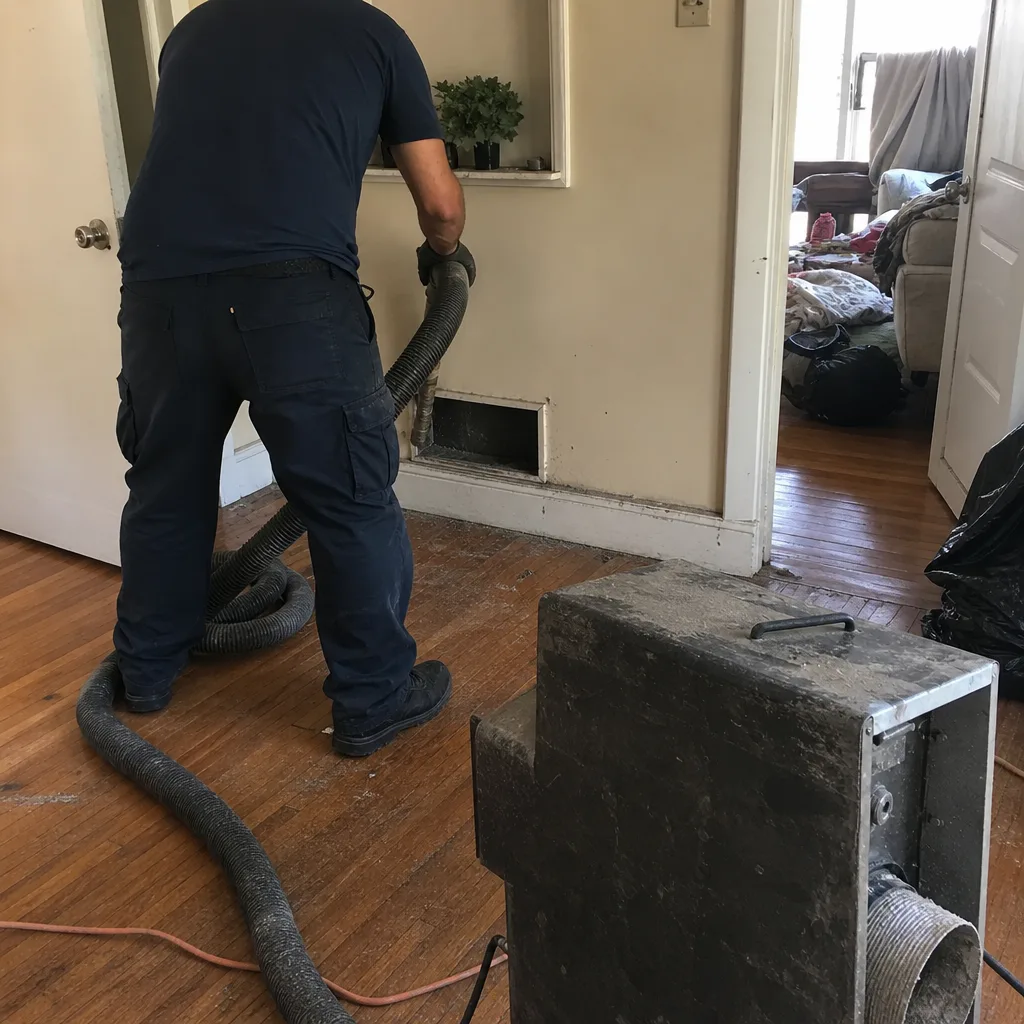 Before
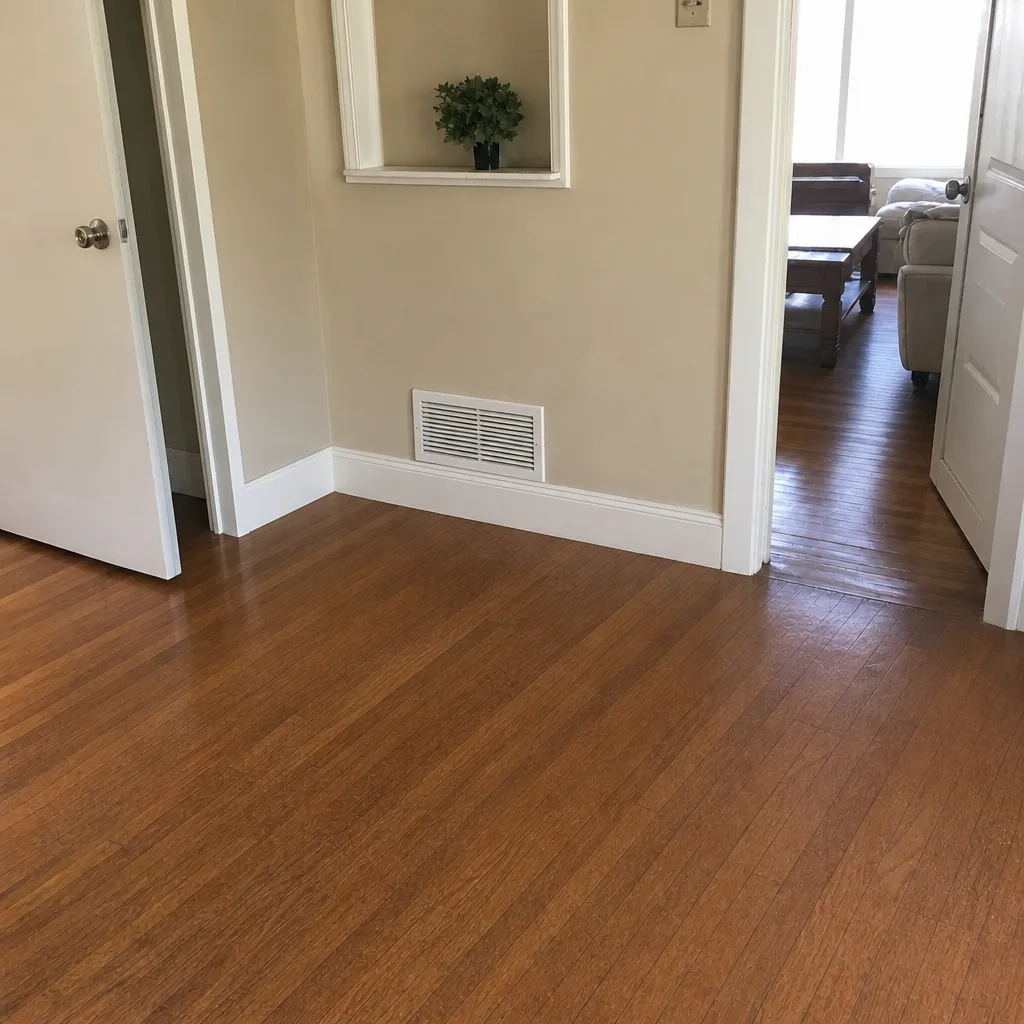 After
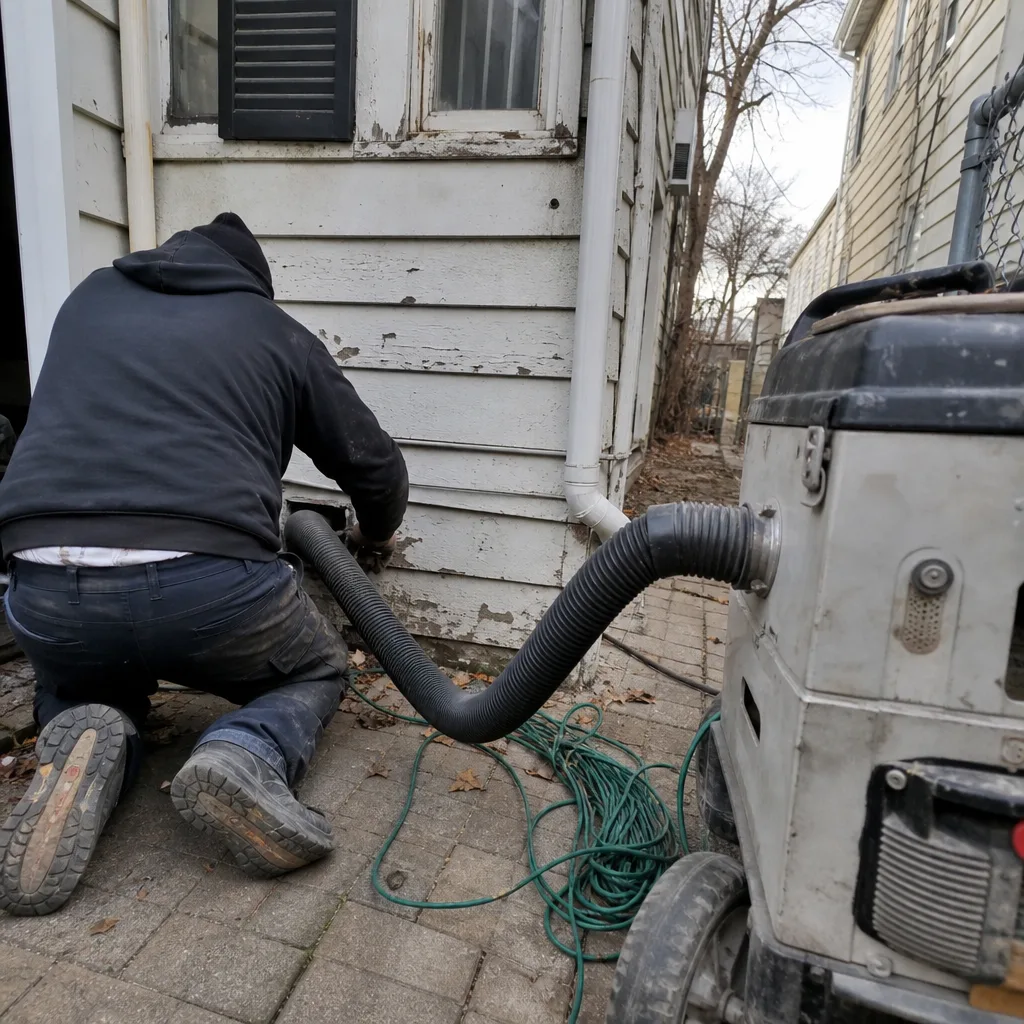 Before
 After
 Before
 After
When to Call a Professional
Some conditions point clearly to professional cleaning rather than another season of waiting. Visible dust blowing from supply registers after a filter change. A musty smell that returns within days of cleaning. Unexplained allergy symptoms that ease when you’re away from home. Airflow that’s noticeably weaker at registers furthest from the air handler. Water intrusion or visible growth anywhere in the system. A dryer taking longer than usual to finish a load. A renovation or pest issue that likely left debris in the ductwork. And a system that hasn’t been cleaned in a very long time, where the visual state is simply unknown.
Air Duct Cleaning South Beach offers free estimates in South Beach, and we’ll tell you honestly whether the job calls for standard cleaning or something more involved. Call (877) 792-7501. We answer 24/7. Fast dispatch from 7am to 7pm, Sunday through Friday.
Frequently Asked Questions
Pricing depends on the number of systems, the length and accessibility of the duct runs, and whether anything beyond a standard clean is needed, so the honest answer is that it’s set per job by a written estimate. Be wary of any per-vent pricing, which almost always expands once the technician is on site. Call (877) 792-7501 for an exact quote – estimates are free.
Cheap quotes usually reflect less equipment and less work, not greater efficiency. A company skipping mechanical brush agitation, camera inspection, or proper negative-pressure containment can always undercut a full-scope job. Ask what equipment is on site and what the scope includes – that answer explains the price difference. Call (877) 792-7501 to compare a full-scope estimate.
Before-and-after photos of your own ducts, taken with an inspection camera, are how you know. A legitimate contractor will show you. If photos aren’t mentioned in the quote, ask for them before booking. Call (877) 792-7501 and we’ll walk you through what the camera inspection covers.
Most homes do well with cleaning every few years, but the interval depends on the system, the filtration in place, pets, and whether there’s been renovation or water intrusion. South Beach’s humidity and older building stock can shorten that interval. If you’re unsure, an inspection is the right first step rather than a schedule. Call (877) 792-7501 to talk it through.
Yes, dryer vent cleaning can be scheduled alongside duct cleaning, and it’s worth doing even though it’s a separate exhaust path. Lint buildup in the dryer line is the leading appliance fire risk in a home, and it’s an easy item to add while the equipment is already there. Call (877) 792-7501 to bundle it into the estimate.
Dedicated containment equipment, not the same unit used on routine jobs. Abatement Technologies machines are built for exactly this: negative-pressure containment with HEPA-level filtration. A company without that capability should refer the job out rather than improvise. If you’re unsure whether your situation calls for remediation, call (877) 792-7501 and we’ll help you sort it out.
The Bottom Line
Reading a duct cleaning company’s equipment claims is the fastest way to separate a real operation from a sales page. Four categories matter – negative air machines, rotary brush agitation, inspection cameras, and filtration hardware – and recognized brands like Rotobrush, Nikro, Abatement Technologies, and Honeywell map to each one. Verify the names at the manufacturer or through a NADCA listing. Ask process questions rather than credential questions. Insist on one flat price per system, agreed in writing, with before-and-after photos of your own ducts. And don’t skip the dryer vent, because it’s an easy thing to leave out and a harder thing to live with.
If you’d like to see what a full-scope job looks like in South Beach, call us at (877) 792-7501 for a free estimate. We’ll name every machine we bring and show you the result.
Written by the team at Air Duct Cleaning South Beach.