
Last updated November 24, 2026
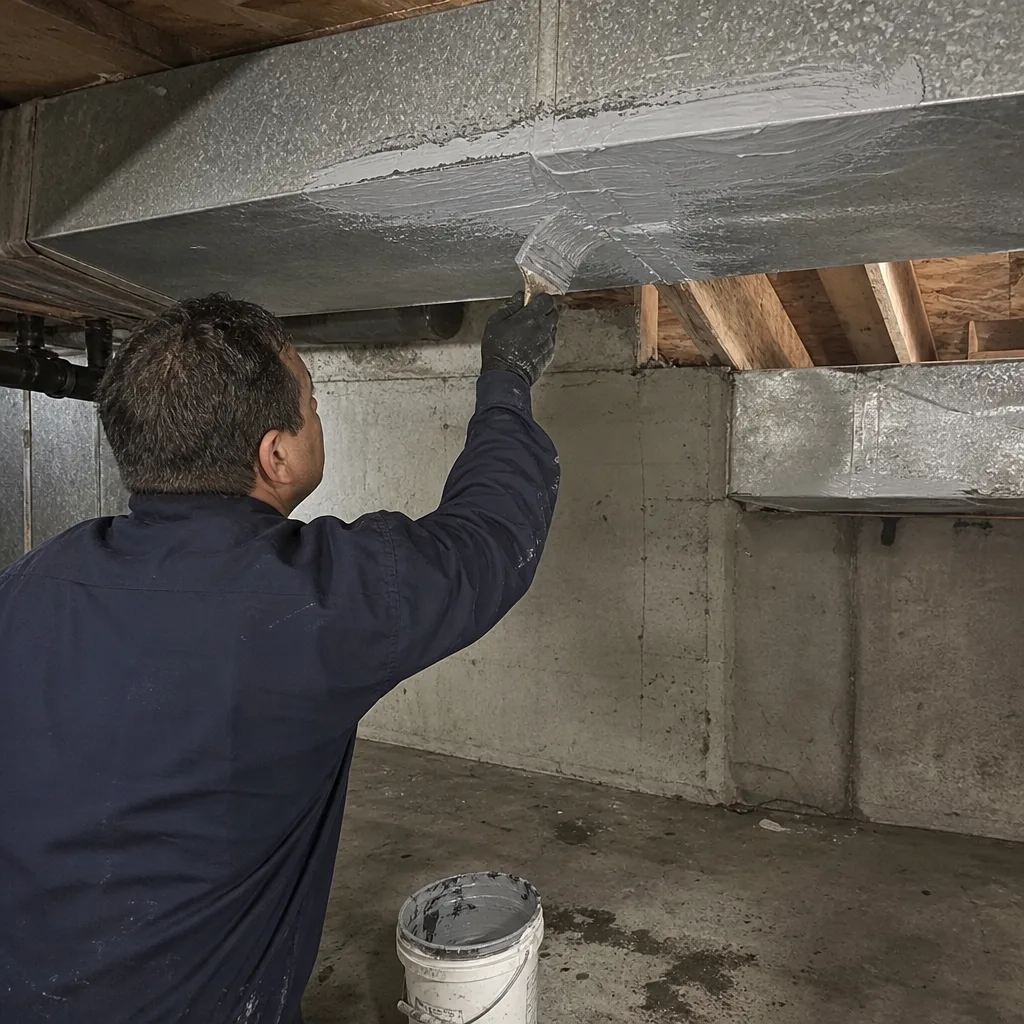
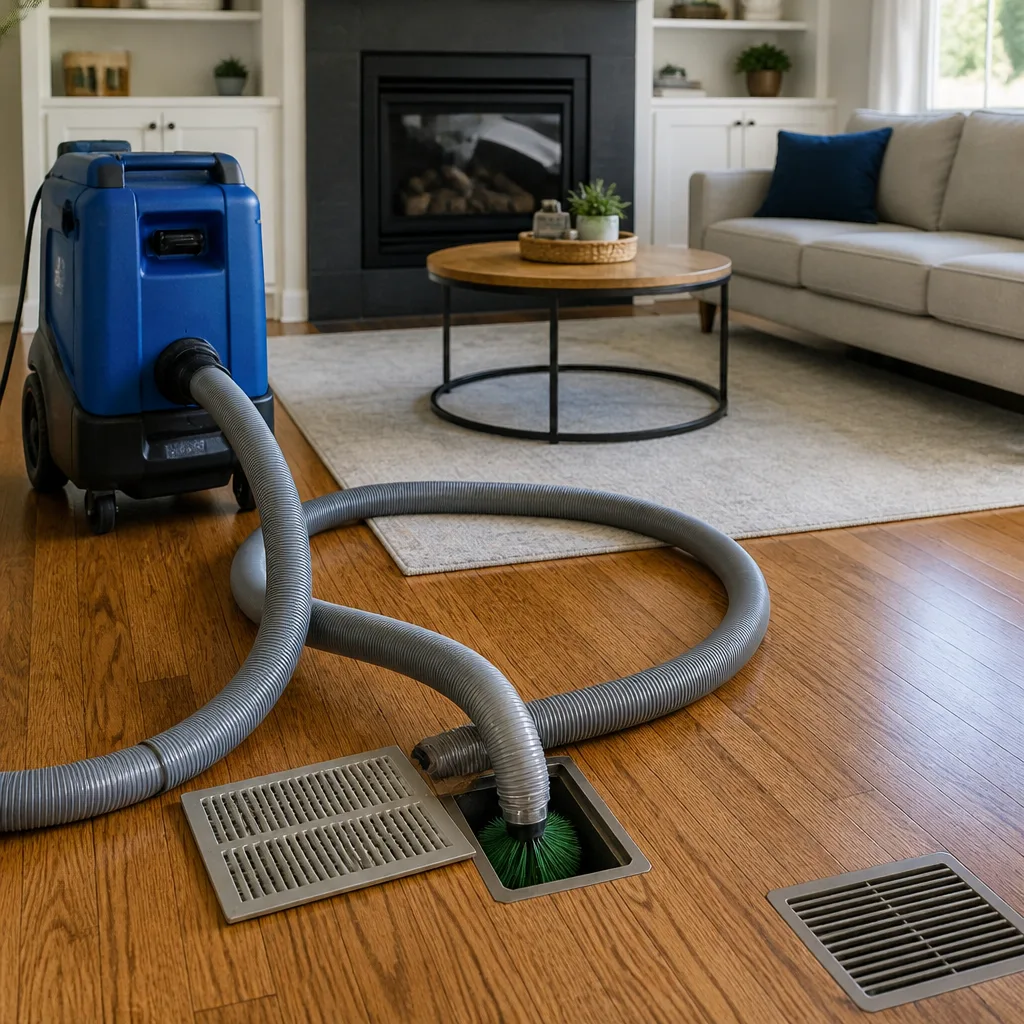 Whole-home duct cleaning
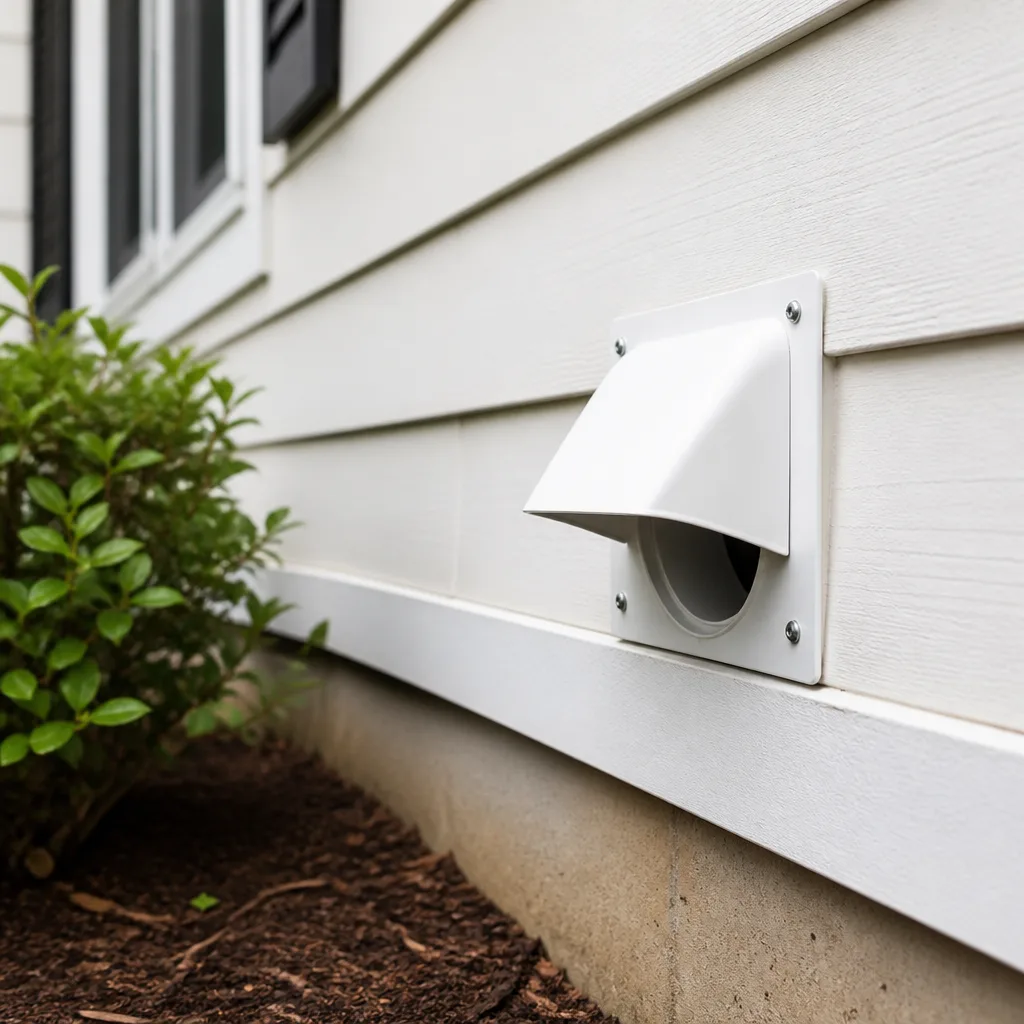 Dryer vent cleaning
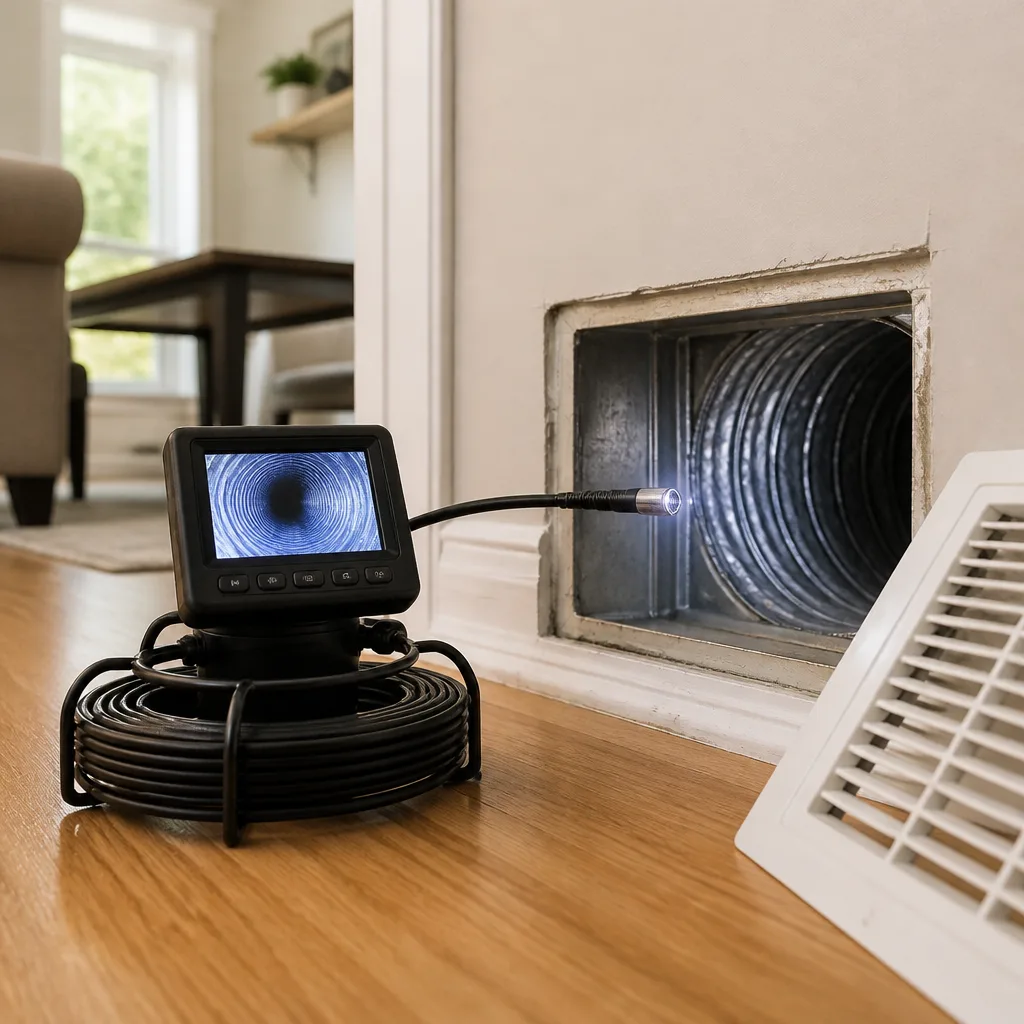 Camera inspection
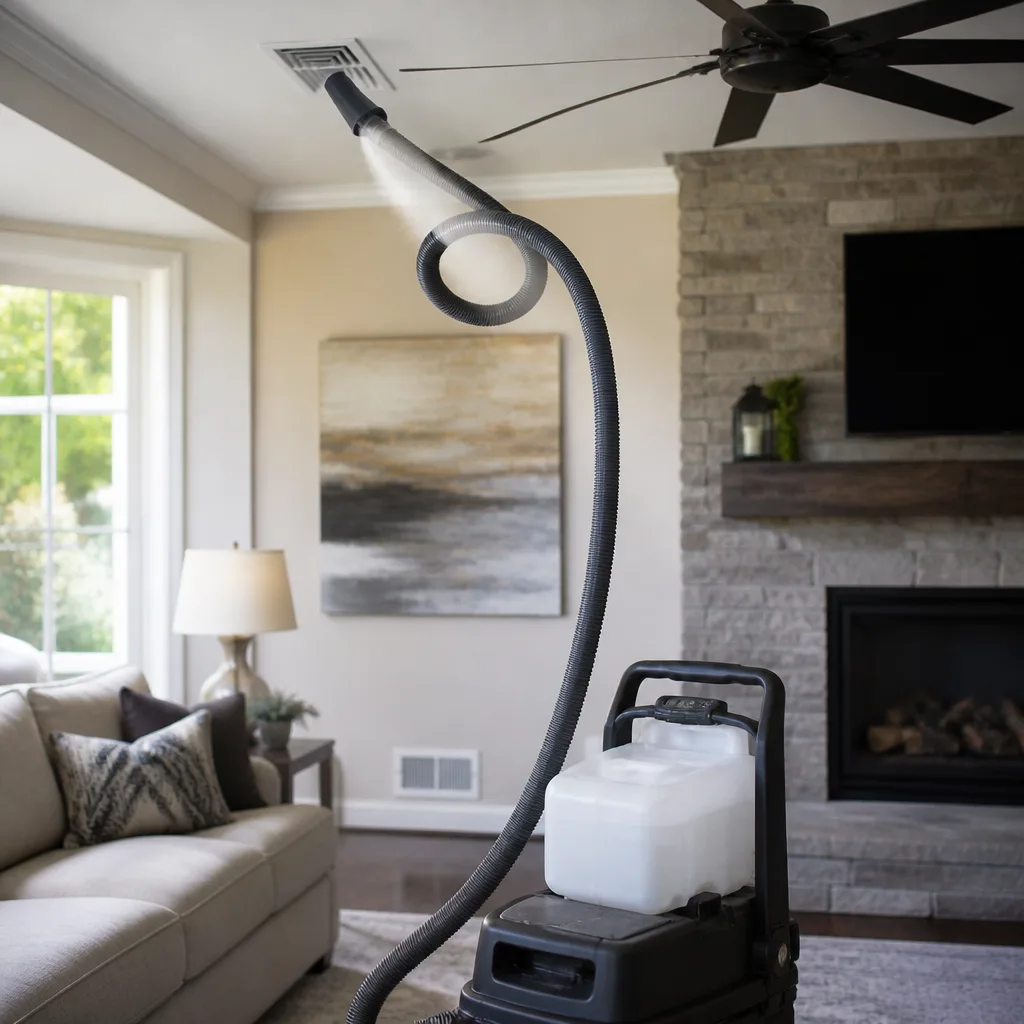 Sanitizing & deodorizing
Whole-system duct and dryer vent check with before-and-after photos - you see exactly what came out of your vents
That "$99 whole-house special" is a bait ad - the real number appears once they are in your hallway, or the "clean" is a shop-vac at the register. We photograph the inside of your ducts before and after instead.
DIY vs Professional Air Duct Cleaning: The South Beach Homeowner’s Decision Guide
Vacuuming your registers is not duct cleaning. It’s register cleaning, and conflating the two is how contamination builds up unseen for years while homeowners believe they’ve handled it. We’ve pulled years of debris out of systems whose owners had faithfully wiped every grille in the apartment. That’s not a knock on them. It’s a recognition that the visible part of a duct system is a tiny fraction of the whole, and the part you can’t see doesn’t respond to a household vacuum. This guide defines exactly what DIY can accomplish, what it can’t, and where the physics of negative air pressure make professional equipment non-negotiable for South Beach homes.
Quick Answer
DIY air duct cleaning is worth doing for register grilles, filter changes, and dryer vent lint, but it cannot clean duct interiors because a household vacuum can’t generate the contained negative pressure that lifts and traps debris. Professional equipment is necessary once contamination is inside the duct run, when mold or allergens are present, or when the system is old enough that debris has compacted on duct walls. Everything in between is a judgment call this guide helps you make.
Styles & brands we work with
- Whole-home duct cleaning
- Dryer vent cleaning
- Camera inspection
- Sanitizing & deodorizing
Table of Contents
- What DIY Can Actually Reach and Clean
- Why Negative Pressure Changes Everything
- The Risk of Disturbing Ducts Without Containment
- How South Beach Humidity Rewrites the Rules
- The DIY Tasks That Have Real Preventive Value
- Decision Criteria: When Professional Equipment Is Mandatory
- What Professional Duct Cleaning Actually Involves
- Common Mistakes to Avoid
What DIY Can Actually Reach and Clean
The average homeowner can reach the register grille, the first few inches of the branch duct behind it, and the filter slot. That’s it. Everything beyond the first turn in the duct run is functionally invisible and physically unreachable with consumer tools. Understanding that boundary is the foundation of every decision in this guide.
Here’s what you’re working with in a typical South Beach apartment or house. The register grilles are the slotted covers you see in the wall or floor. Behind them sits a branch duct that runs a few feet to a main trunk line. The trunk line distributes air through the whole home, and the return side pulls air back to the air handler. Debris accumulates in all of it, but it accumulates hardest at the bends, the joints, and the return plenum where air velocity drops.
What a homeowner can genuinely do well:
- Remove and wash register grilles. These collect dust, pet hair, and cooking residue and are the most visible part of the system.
- Vacuum the immediate opening behind the grille with a brush attachment, reaching as far as your arm and hose allow.
- Replace the HVAC filter on schedule, which is the single highest-value maintenance task in any home.
- Clear lint from the dryer vent run, which is a fire-prevention task rather than an air-quality one.
What a homeowner cannot do with consumer equipment:
- Agitate and extract debris that has bonded to duct walls. A shop vac pulls air from the path of least resistance, which is the open room around the hose, not the duct interior.
- Reach past the first elbow in a branch run, which is where the majority of accumulation sits.
- Clean the return plenum or the air handler cabinet, both of which require opening sealed components.
- Contain debris that gets dislodged, which is the point the next section addresses.
Why Negative Pressure Changes Everything
The core difference between DIY and professional duct cleaning isn’t the brush. It’s the pressure. Professional systems generate strong, contained negative pressure at the duct opening while a rotary brush or air whip agitates the walls inside. The debris lets go, and the pressure field carries it into a collection system instead of into your living room. Consumer vacuums can’t do this at any meaningful scale.
Think about what a household vacuum actually produces. A typical canister vacuum moves a modest volume of air through a narrow hose, and that airflow collapses the moment the hose meets resistance. Put that hose against a duct interior coated in compacted dust, and the vacuum simply pulls air from around the hose head. The dust stays. Meanwhile, the airflow you did create stirs surface particles loose into the room.
A commercial duct cleaning system works differently. The equipment used by professional contractors, including Rotobrush rotary-brush extraction and Nikro negative-pressure systems, is built around two simultaneous actions: mechanical agitation to break debris off the duct wall, and enough contained air movement to capture it before it settles elsewhere. That combination is what separates cleaning from stirring.
In our experience, this is the single point where DIY advice from general home-improvement sources breaks down. Those sources often describe attaching a shop vac to a register as “duct cleaning.” It isn’t. The physics don’t support it. What you’re doing is a slightly deeper register cleaning, which is still worth doing, but it isn’t the same service and shouldn’t be treated as a substitute.
The Risk of Disturbing Ducts Without Containment
Here’s the counterintuitive part: a poorly executed cleaning can leave a home worse off than no cleaning at all. When you disturb accumulated debris inside a duct without contained negative pressure, you aerosolize it. Those particles don’t disappear. They drift through the supply registers into the rooms you and your family occupy, and they settle on surfaces and back into the duct system.
This risk applies equally to DIY attempts and to low-grade professional work. A contractor who shows up with a shop vac and no containment is doing the same thing a homeowner does, just with a bigger hose. The result is the same: contamination gets redistributed rather than removed.
Contamination type matters here. Loose surface dust is annoying but low-stakes. Mold spores, pet dander accumulated over years, construction debris from a recent renovation, or rodent contamination are a different category entirely. Disturbing those without proper containment and filtration is a genuine air-quality problem, not a cosmetic one.
This is why professional equipment for contamination scenarios goes beyond a vacuum and a brush. Abatement Technologies equipment, for instance, is built for remediation work where the goal is to capture and contain hazardous material rather than simply move air. That capability matters when the duct system has held something you don’t want circulating through your home.
For South Beach homeowners, the practical takeaway is this: if you suspect the contamination is more than ordinary dust, don’t experiment. Contained, professional extraction is the safer path, and it’s the one that actually removes the problem instead of relocating it.
How South Beach Humidity Rewrites the Rules
South Beach’s climate gives this decision an extra dimension. The humidity that defines summers here doesn’t stay outside. It migrates into duct systems through gaps, poorly sealed joints, and the return side of the system, and it changes the physical behavior of everything inside those ducts.
In a dry climate, dust stays loose and powdery. It’s easier to move and less likely to bond to surfaces. In a humid climate, dust and organic particles absorb moisture and form a film that adheres to duct walls. That film is harder to dislodge, and it’s a more welcoming environment for mold and microbial growth, particularly in the cooler sections of the system where condensation forms.
This has two implications for the DIY versus professional question in South Beach:
- Incomplete cleaning is worse here than in a dry climate. A partial clean that loosens debris without removing it leaves a moist, debris-rich surface that supports growth. The half-measure creates a better habitat than the undisturbed original.
- Sealing matters as much as cleaning. Gaps in duct joints let humid air into the system continuously. Cleaning without addressing those gaps means the problem returns. Duct repair and sealing is the counterpart to cleaning, not an optional add-on, and it’s the reason a full-service provider is worth considering over a one-trick crew.
We mention humidity because it’s a factor most generic DIY guides can’t account for. Advice written for a dry climate doesn’t translate cleanly to a South Beach apartment where the system runs hard against moist air for months at a time. The decision thresholds shift, and they shift toward professional intervention sooner.
The DIY Tasks That Have Real Preventive Value
We want to be clear about something: DIY duct maintenance isn’t useless. It occupies a specific, valuable role, and homeowners who do these tasks consistently get more life and better performance out of their systems. The mistake is mistaking these tasks for the whole job. Here’s what actually helps.
- Change the filter on schedule. This is the highest-return maintenance task in any home. A clogged filter restricts airflow, stresses the blower, and lets more dust accumulate in the ducts downstream. Check it monthly during heavy-use months and replace it when it’s visibly loaded. Match the filter to your system’s requirements rather than buying the thickest one on the shelf, since overly restrictive filters can strain some systems.
- Clean the register grilles. Remove each grille, wash it in warm soapy water, dry it fully, and reinstall. Do this a few times a year. It’s cheap, it’s quick, and it visibly improves the look and airflow of every room.
- Vacuum the immediate duct opening. With the grille off, use a brush attachment to reach into the visible duct opening and pull out what you can. This is register-adjacent cleaning, not duct cleaning, but it does remove the debris closest to the living space.
- Maintain the dryer vent. Clean the lint trap after every load, and periodically clear the vent run itself. Dryer vent lint is a fire-risk factor, not just an efficiency issue, which is why it deserves attention even in homes that never schedule professional duct work.
- Keep the return side clear. Don’t block return grilles with furniture, rugs, or storage. Restricted returns force the system to work harder and change the airflow patterns that determine where debris settles.
- Watch for moisture. If you see condensation on duct surfaces, water staining near registers, or a musty smell when the system starts, that’s a signal to escalate rather than a task to handle yourself.
Run through that list honestly and you’ll have done real good for your system. But notice what’s absent: nothing on that list touches the interior of the duct run, where the bulk of accumulation lives.
Decision Criteria: When Professional Equipment Is Mandatory
Most homeowners want a clear line. Here’s the closest thing to one we can offer. Professional duct cleaning isn’t mandatory for every home, but it becomes necessary when any of the following conditions apply. If you recognize your situation in this list, DIY is no longer the right answer.
- System age and history. If the ducts haven’t been professionally cleaned in a long period and the home has had multiple occupants, renovations, or pets, the accumulated load is beyond what surface cleaning can address.
- Contamination type. Visible mold growth inside ducts or on registers, rodent droppings, or debris from a recent renovation all point to professional remediation with proper containment. These are scenarios where disturbing the system yourself is actively risky.
- Health sensitivities. If anyone in the household has asthma, allergies, or a compromised immune system, the margin for a half-cleaned system narrows considerably. Contained professional extraction reduces the airborne particle load; DIY stirring increases it temporarily.
- Recent water intrusion or humidity damage. A system that has held moisture is a system that may be holding microbial growth. That’s a remediation job, not a maintenance job.
- Persistent musty odor or visible debris at registers. Debris blowing out of registers when the system starts means the duct interior is loaded. That’s past the point of home cleaning.
- Renovation or move-in. A recent remodel fills ducts with drywall dust and construction debris. A new home with unknown duct history is the same category.
If none of those apply, and your system is relatively recent and lightly used, the DIY list above plus a well-maintained filter may carry you for a while. The point is to make that decision knowingly rather than assuming the register vacuum handled it. For a broader look at the service itself, our air duct cleaning page walks through what a full system cleaning covers.
What Professional Duct Cleaning Actually Involves
If you’ve never watched a professional duct cleaning, the process may surprise you. It’s methodical, it involves equipment most homeowners have never seen, and it takes longer than a register wipe-down by a wide margin. Here’s the general shape of a professional cleaning so you can compare it against what you’d accomplish yourself.
- System inspection and access. The technician inspects the duct layout, identifies the supply and return paths, and opens access points at strategic locations so the equipment can reach the full run rather than just the first few feet.
- Containment setup. A negative-pressure setup is established so debris dislodged during cleaning moves toward the collection equipment instead of into the living space. This is the step that separates professional work from every DIY attempt.
- Mechanical agitation and extraction. Rotary brush systems and negative-pressure extraction work together to break debris off duct walls and pull it out of the system. Equipment like Rotobrush and Nikro is designed specifically for this combination.
- Component cleaning. The air handler, blower, and accessible components get cleaned as well, since they hold debris and affect the whole system’s performance. This is often folded into HVAC cleaning when the scope calls for it.
- Sealing and repair where needed. Gaps and disconnected joints get addressed. Sealed ducts mean the air you paid to cool or heat actually reaches you, and it means humid South Beach air stays out of the system.
- Sanitizing where appropriate. When the situation warrants it, sanitizing products are applied to address microbial growth. We use Guardsman-brand products and Abatement Technologies equipment for contamination scenarios rather than generic sprays.
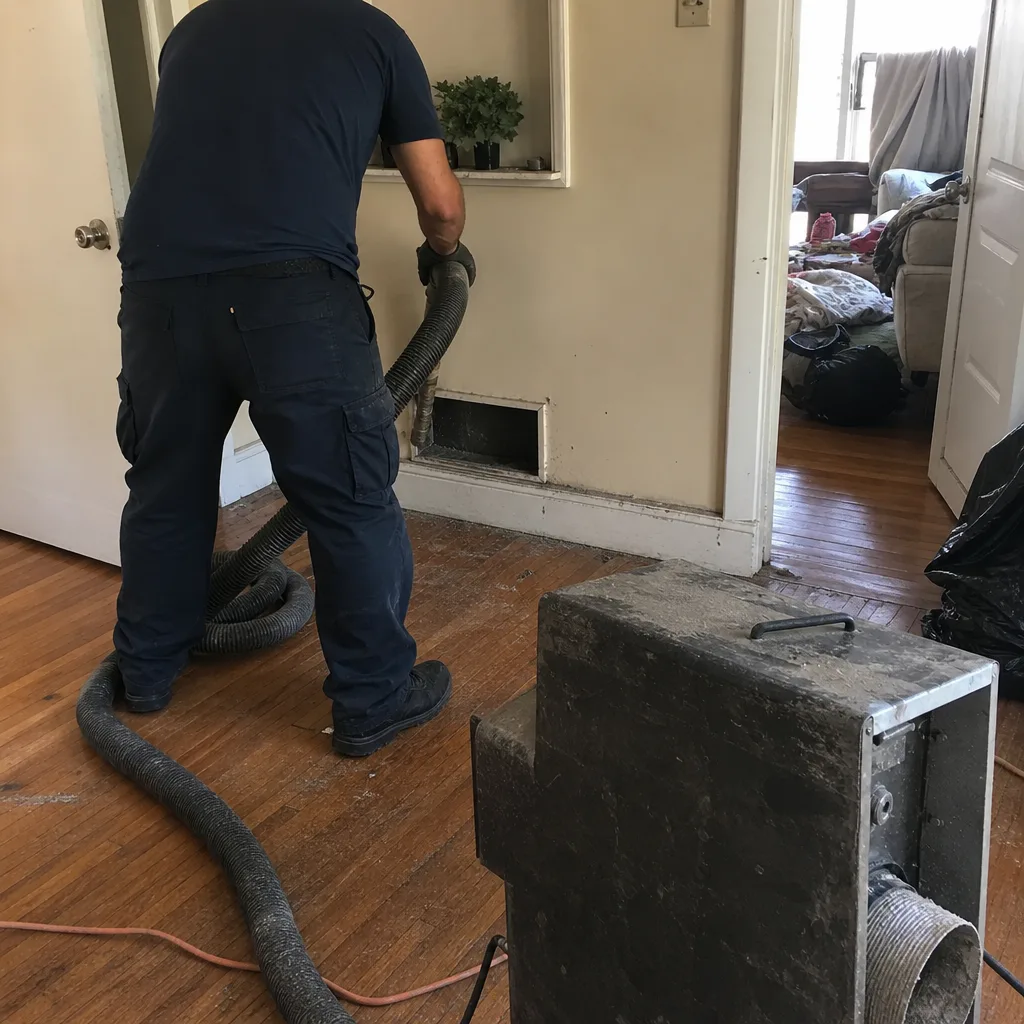
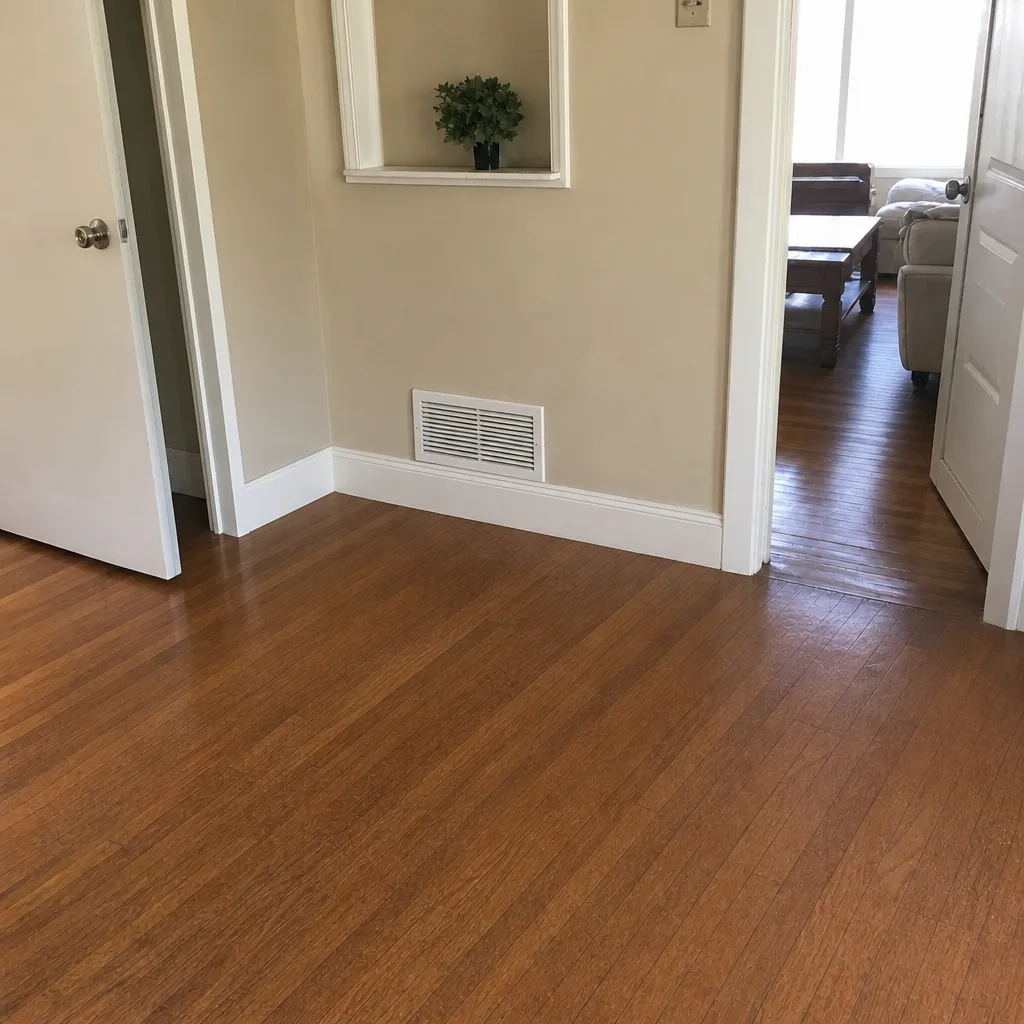
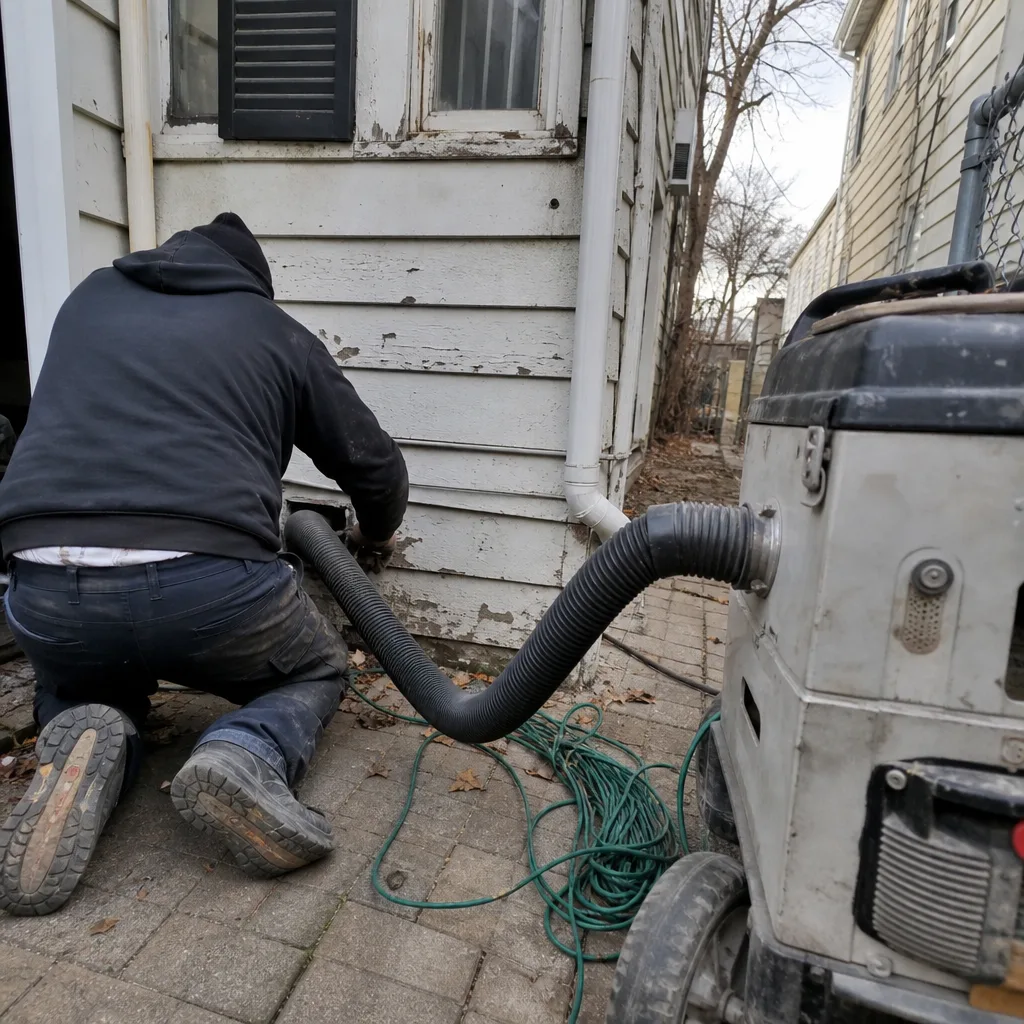
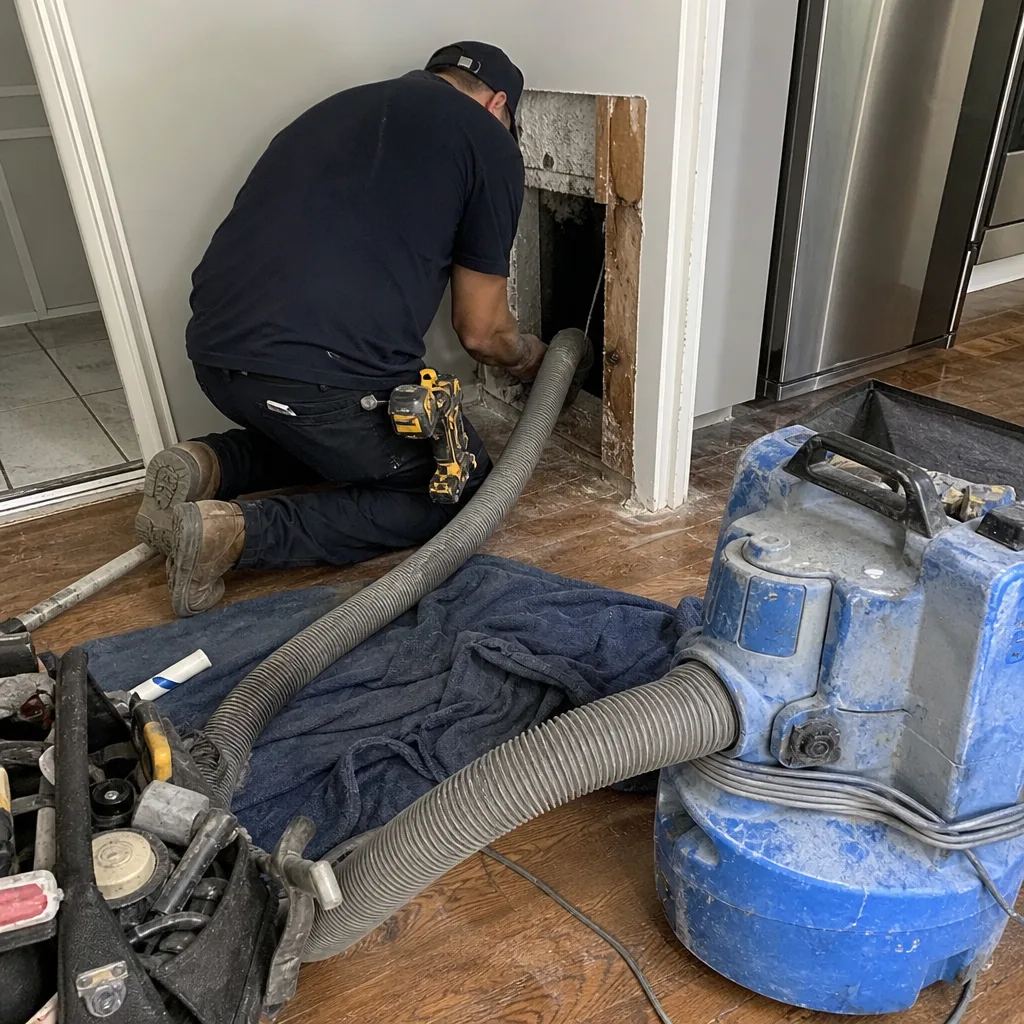
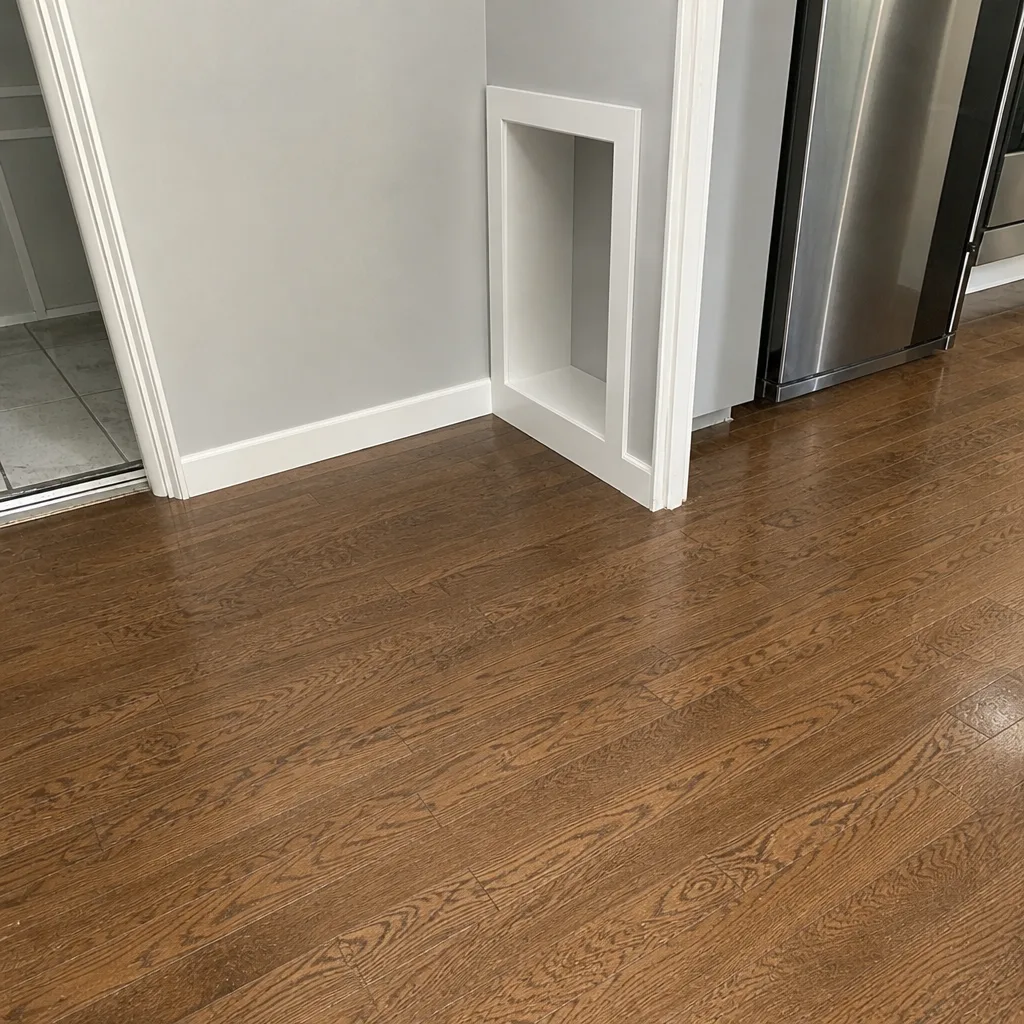
- Verification. Before we leave, we inspect the work with you, including before-and-after documentation so you can see what was removed.
That’s the full picture. The difference between this and the DIY list isn’t effort or intention. It’s equipment capability. If you’re curious about the full range of services a single provider can handle, our Air Duct Cleaning South Beach page lays out the complete service menu, including the filtration and air-quality hardware side that keeps a cleaned system clean.
Common Mistakes to Avoid
We’ve seen the same handful of errors repeat across countless homes. Some of these are DIY mistakes, some are mistakes made when hiring, and a few apply to both.
- Confusing register cleaning with duct cleaning. These are different services with different equipment requirements, and treating one as the other means contamination sits untouched while you believe the job is done. If a company’s process begins and ends at the grille, ask what they’re doing inside the duct run.
- Using a shop vac on duct interiors without containment. This stirs debris loose and sends it into the living space. You can’t capture what you’ve aerosolized with the same hose that aerosolized it, and that’s a real air-quality problem, not a cosmetic one.
- Cleaning without addressing gaps and seals. In South Beach’s humidity, unsealed ducts pull moist air into the system continuously. Cleaning without sealing means the problem returns faster than it would in a drier climate.
- Ignoring the return side. Most homeowners focus on supply registers and never think about returns, which is where some of the heaviest accumulation occurs. The return plenum and main trunk carry the bulk of debris in many systems.
- Skipping the filter or buying the wrong one. A filter that’s too restrictive strains some systems; one that’s too loose lets debris through. Match the filter to the system’s airflow requirements and change it on schedule.
- Treating dryer vent cleaning as optional. The dryer vent is a fire-risk concern that most people postpone indefinitely, and lint accumulation is a maintenance issue that never announces itself. It’s worth scheduling even in homes that don’t need duct cleaning.
- Hiring on price alone without asking about equipment. If the quote is dramatically below the market and the company can’t tell you what equipment they’ll bring, ask more questions before booking. The equipment is the job.
See the difference
 Before
 After
 Before
 After
 Before
 After
When to Call a Professional
Call a professional when the contamination is inside the duct run rather than on the register, when anyone in the home has respiratory sensitivities, when mold or microbial growth is suspected, or when the system’s history is unknown and the ductwork has held years of accumulation. Call when you see debris blowing out of registers, when a musty smell appears when the system starts, or when a recent renovation filled the ducts with construction dust. Call when you want the full system addressed in one visit, including sealing and component cleaning. Air Duct Cleaning South Beach offers free estimates in South Beach. Call (877) 792-7501. We answer 24/7. Fast dispatch from 7am to 7pm, Sunday through Friday. The estimate is free, the price is per job, and the written estimate sets the final number before any work starts.
Frequently Asked Questions
Air duct cleaning in South Beach is priced per system rather than per vent, so the total depends on the size of the home, the number of systems, and the scope of work including sealing and component cleaning. We set one flat price per system, agreed in writing before any work begins, and we don’t quote per-vent prices that balloon once the technician is on site. Call (877) 792-7501 for an exact quote. Estimates are free.
A homeowner can clean register grilles, change filters, and maintain the dryer vent effectively, but they cannot clean duct interiors without professional negative-pressure equipment. Consumer vacuums can’t generate the contained airflow needed to agitate and extract debris from duct walls, so DIY work in the duct run stirs contamination more than it removes it. The tasks worth doing are worth doing; the rest requires equipment you don’t have.
The cheapest quotes usually reflect an absent step rather than a discount. A crew with a shop vac and no containment is doing a different job than a crew with rotary-brush extraction and negative-pressure systems, and the price difference tracks the equipment difference. Ask any provider what equipment they’ll bring and whether containment is part of the process before you compare prices. Call (877) 792-7501 for a free estimate.
Ask for before-and-after documentation of your own ducts. A provider who cleaned the system can show you what came out and what the interior looks like afterward, and a provider who didn’t will have trouble producing it. We photograph the work as part of the process so you’re not taking anyone’s word for it. Call (877) 792-7501 to schedule.
Most homes don’t need it on a fixed schedule. A reasonable rule is to have the system professionally cleaned when there’s a reason: a renovation, a move-in with unknown duct history, visible debris at registers, a musty smell, mold concerns, or health sensitivities in the household. Homes with pets, heavy occupancy, or in humid South Beach conditions may benefit from more frequent attention. Call (877) 792-7501 to talk through your situation.
Yes, but the reason is specific. Humid air that migrates into duct systems turns loose dust into a film that adheres to duct walls, and it supports microbial growth in cooler sections. That makes sealing as important as cleaning, and it makes incomplete cleaning counterproductive because a half-cleaned moist surface is a better habitat than an undisturbed one. Cleaning plus sealing addresses both.
No, they’re separate services, though we offer both. Dryer vent cleaning addresses lint accumulation in the dryer exhaust run and is a fire-prevention measure rather than an air-quality one. It’s often overlooked because lint accumulation never announces itself, and it’s worth scheduling as a standalone service or alongside duct cleaning. Our dryer vent cleaning page covers the specifics. Call (877) 792-7501 for a free estimate.
Ask what rotary-brush and negative-pressure systems they bring, and whether containment is part of the setup. Recognized brands like Rotobrush and Nikro signal equipment built for the job rather than a general-purpose vacuum. If a provider can’t tell you what they’ll bring, that’s your answer. We’re happy to walk you through what we use before you book.
The Bottom Line
DIY duct cleaning has a defined, useful role: register cleaning, filter replacement, dryer vent maintenance, and keeping the return side clear. Those tasks have real preventive value and are worth doing consistently. What DIY cannot do is clean duct interiors, because a household vacuum can’t generate the contained negative pressure that turns agitation into removal. That line is where professional equipment becomes necessary. In South Beach’s humidity, that line arrives sooner than in a dry climate, because incomplete cleaning leaves a moist surface that supports growth. Make the decision knowingly: do what you can reach, and call in equipment for what you can’t. Our air duct cleaning page covers the full service, and our team is glad to answer questions before you book.
Ready to schedule a free estimate? Call (877) 792-7501. We answer 24/7. Fast dispatch from 7am to 7pm, Sunday through Friday.
Written by the team at Air Duct Cleaning South Beach.