
Last updated November 24, 2026
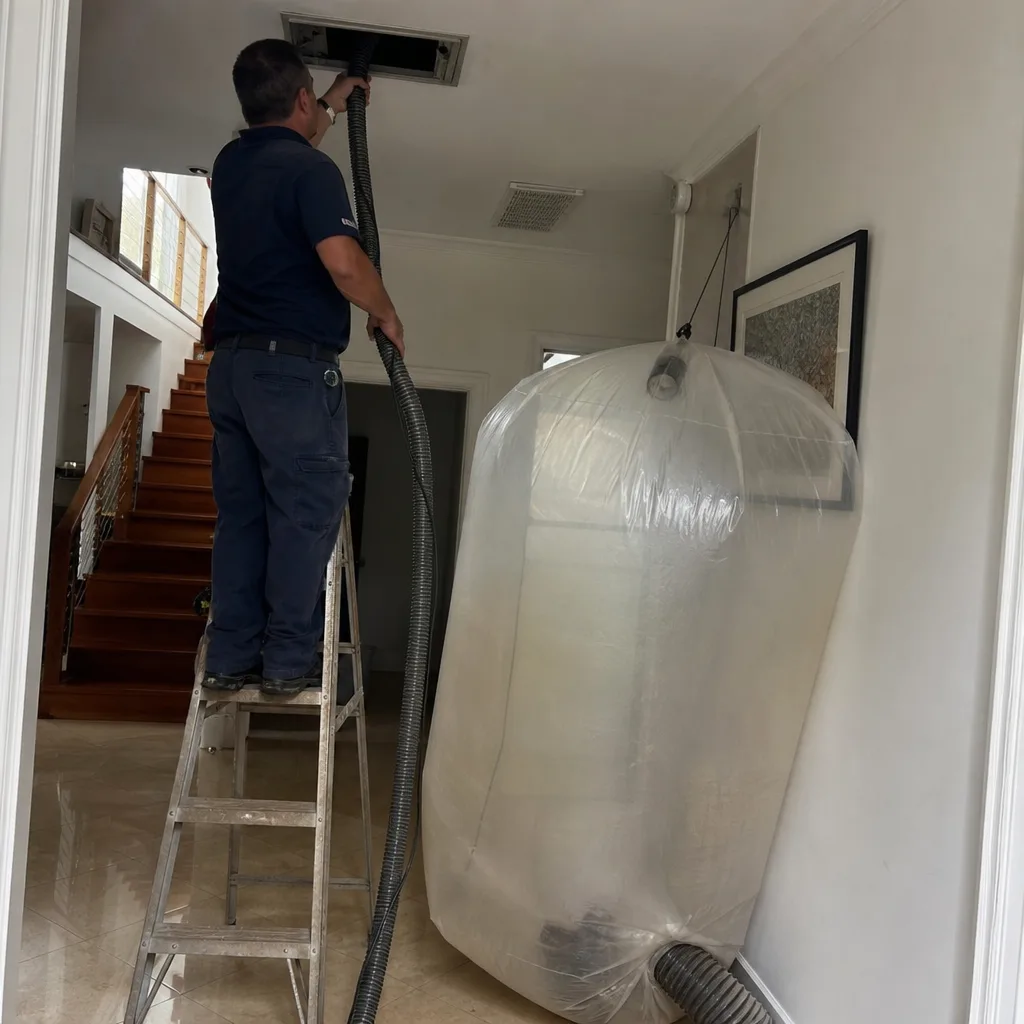
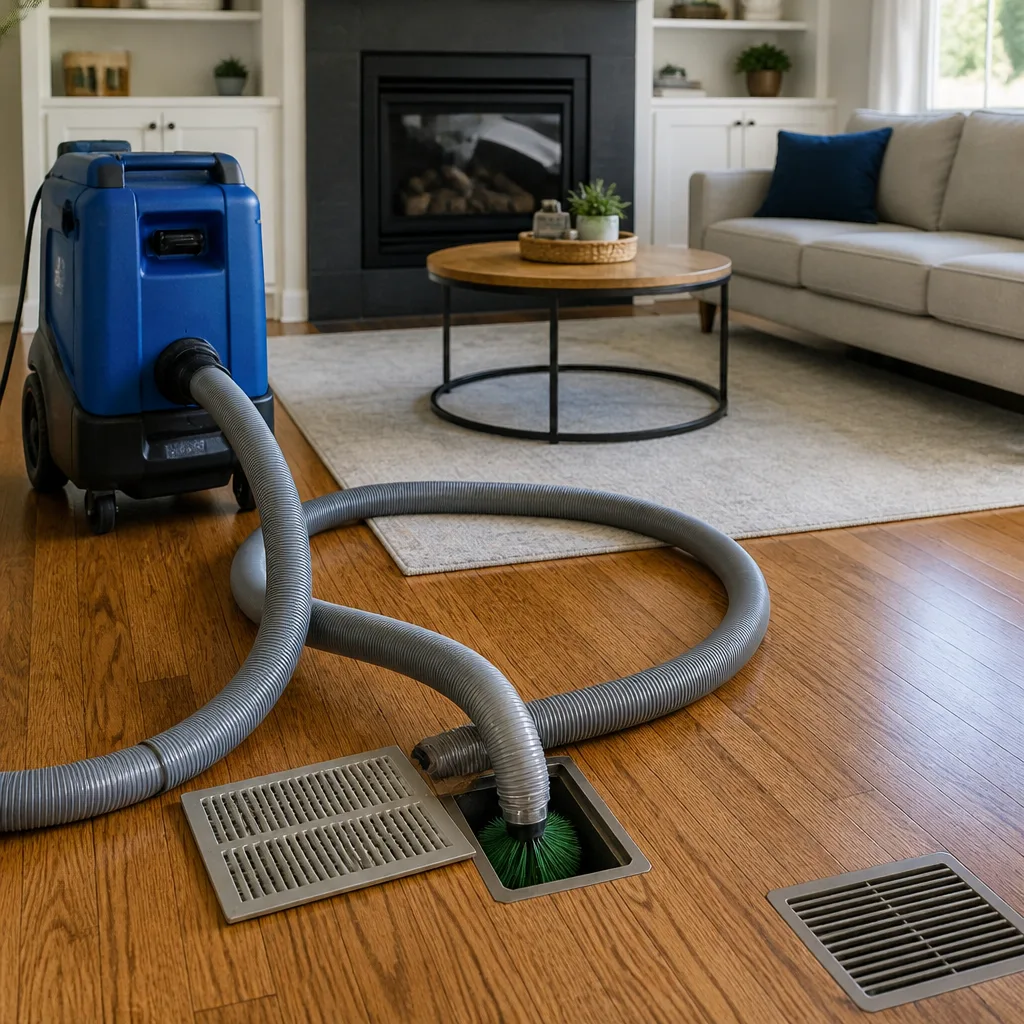 Whole-home duct cleaning
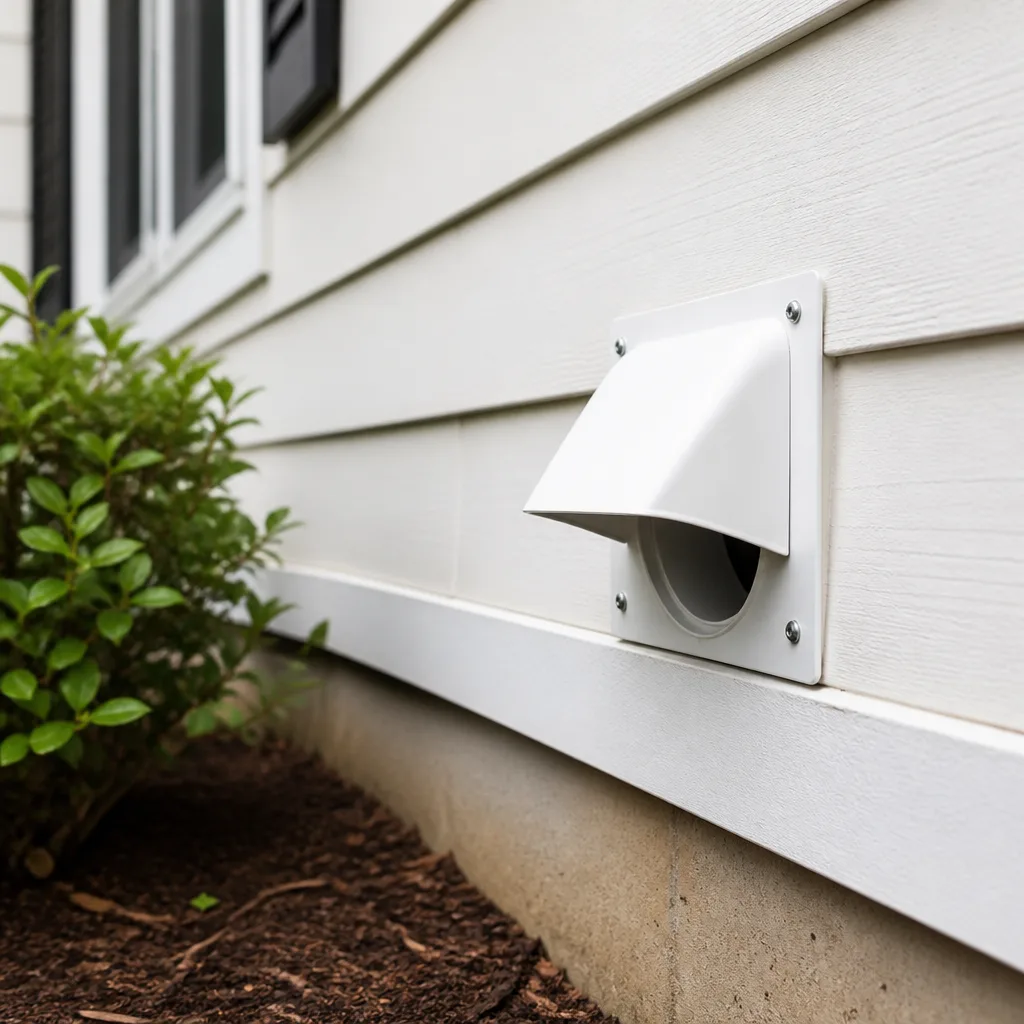 Dryer vent cleaning
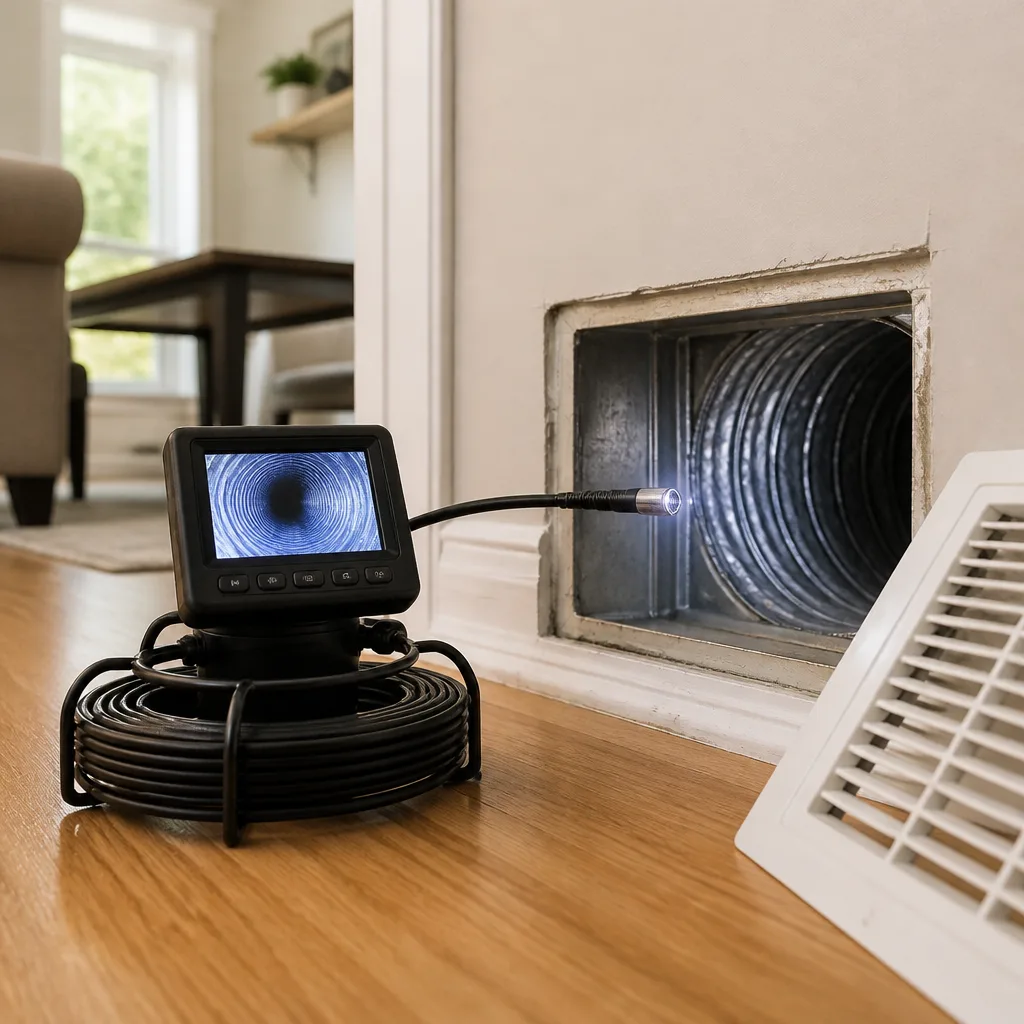 Camera inspection
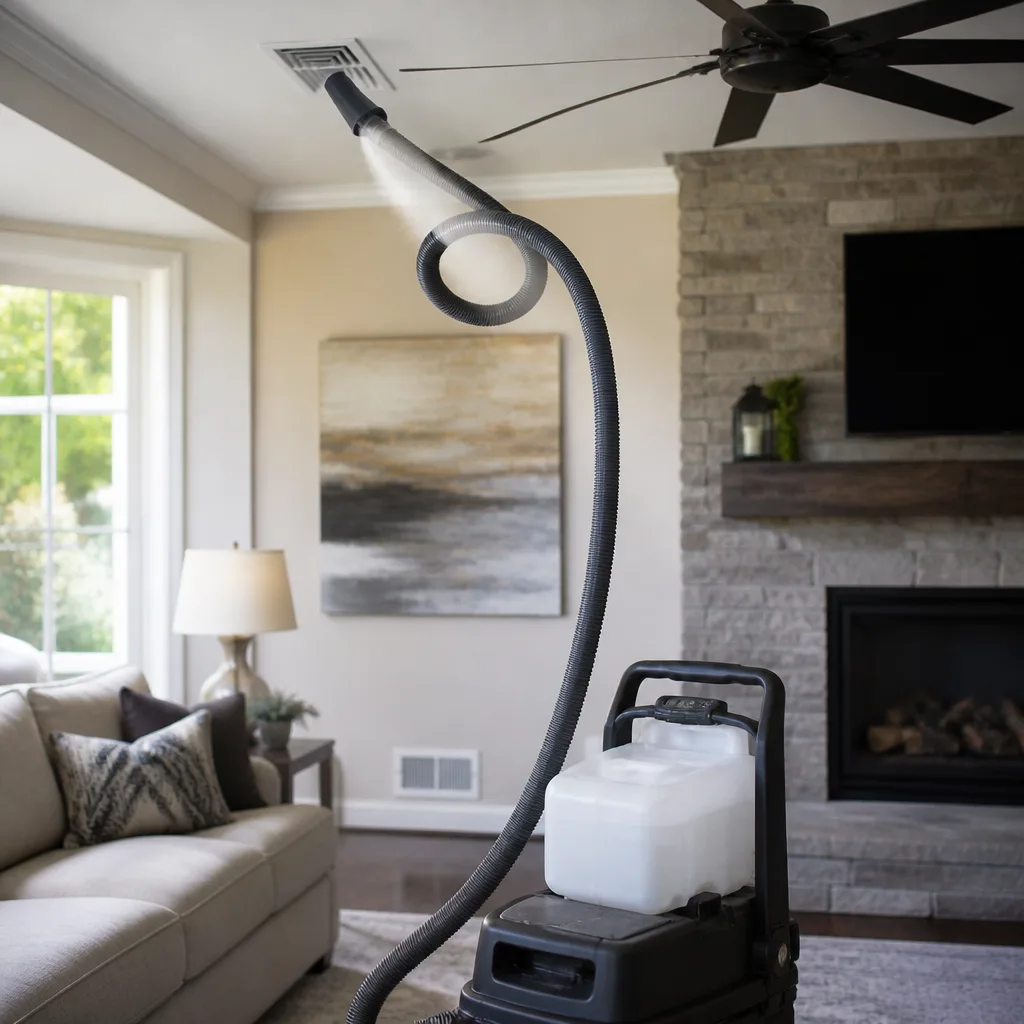 Sanitizing & deodorizing
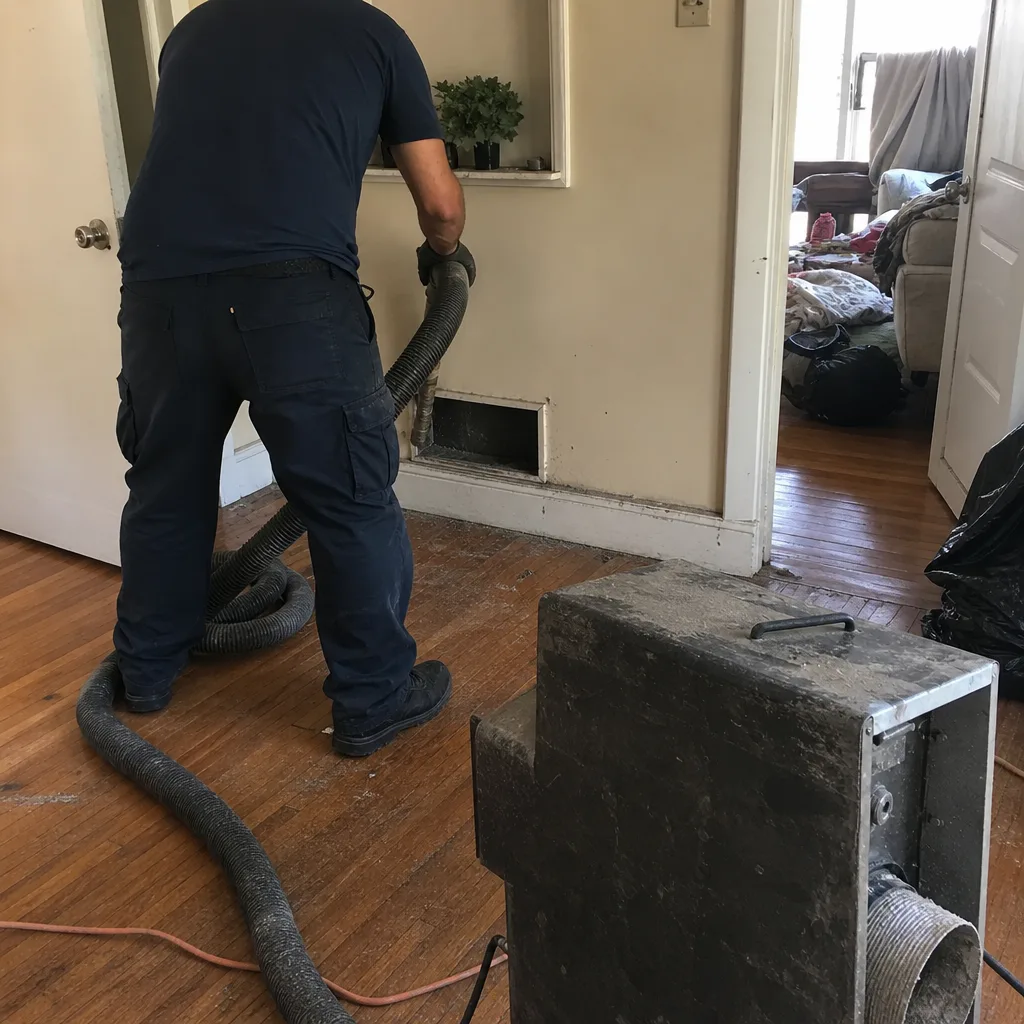
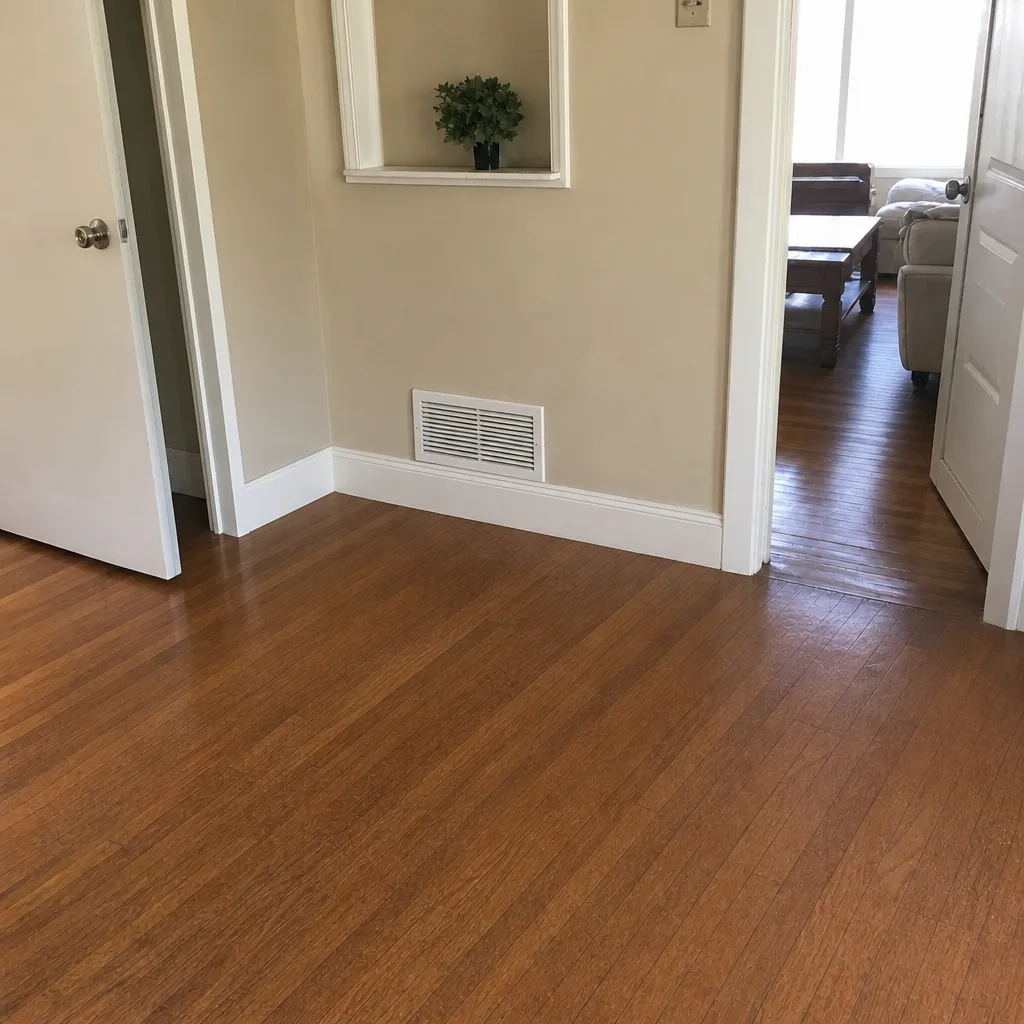
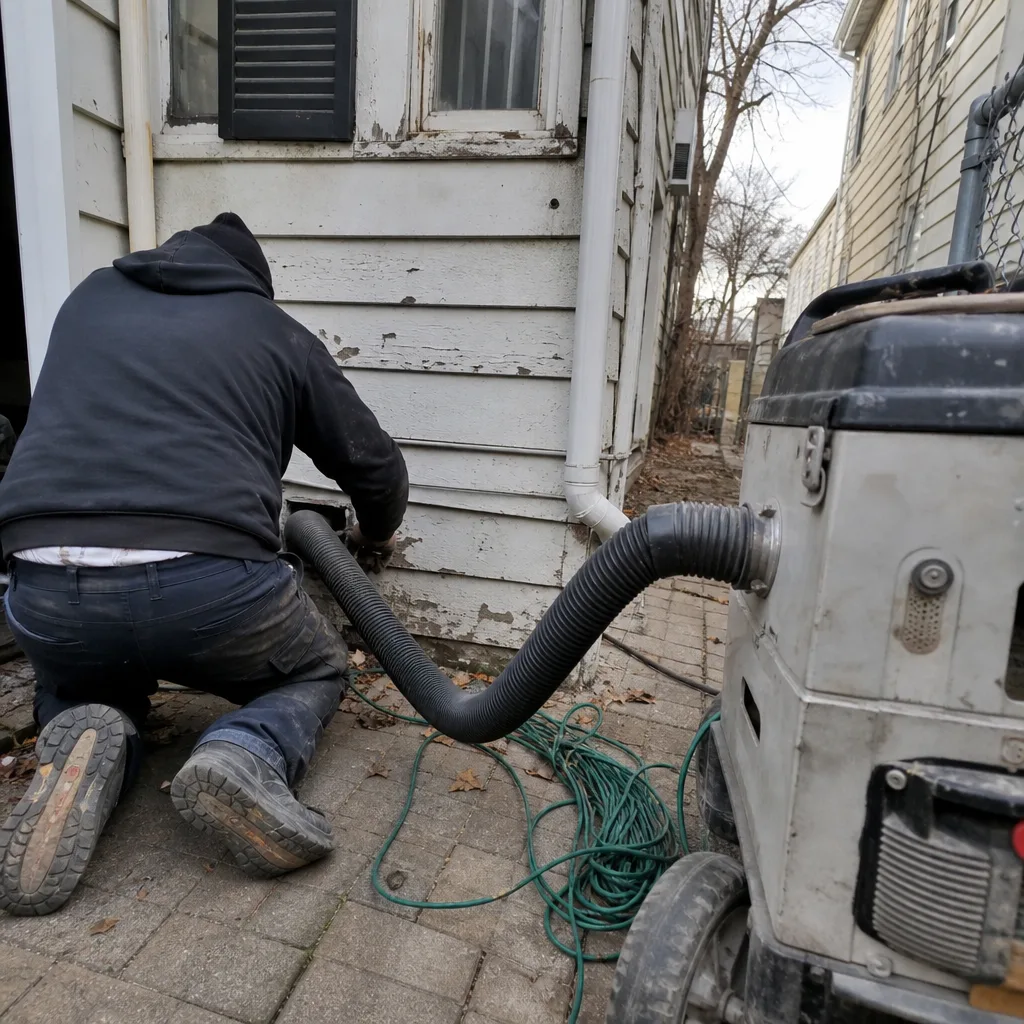
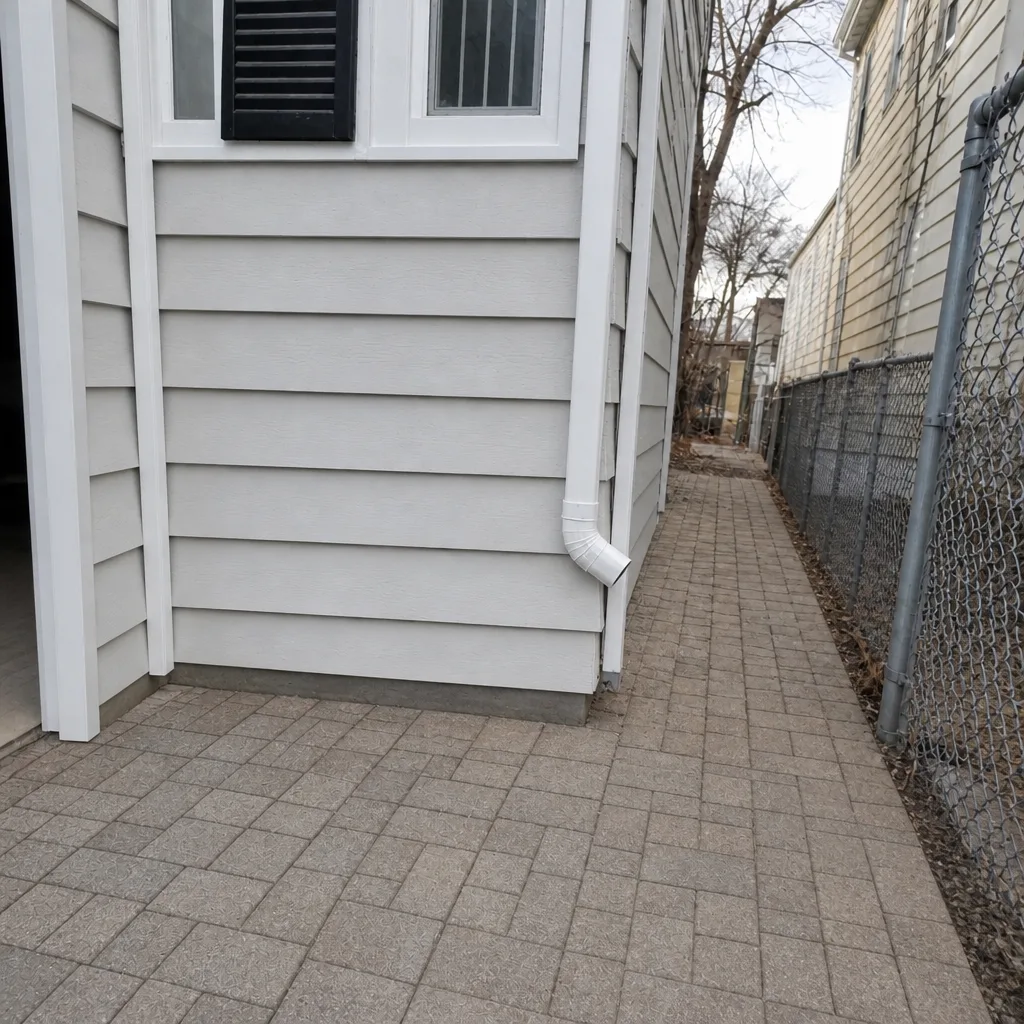
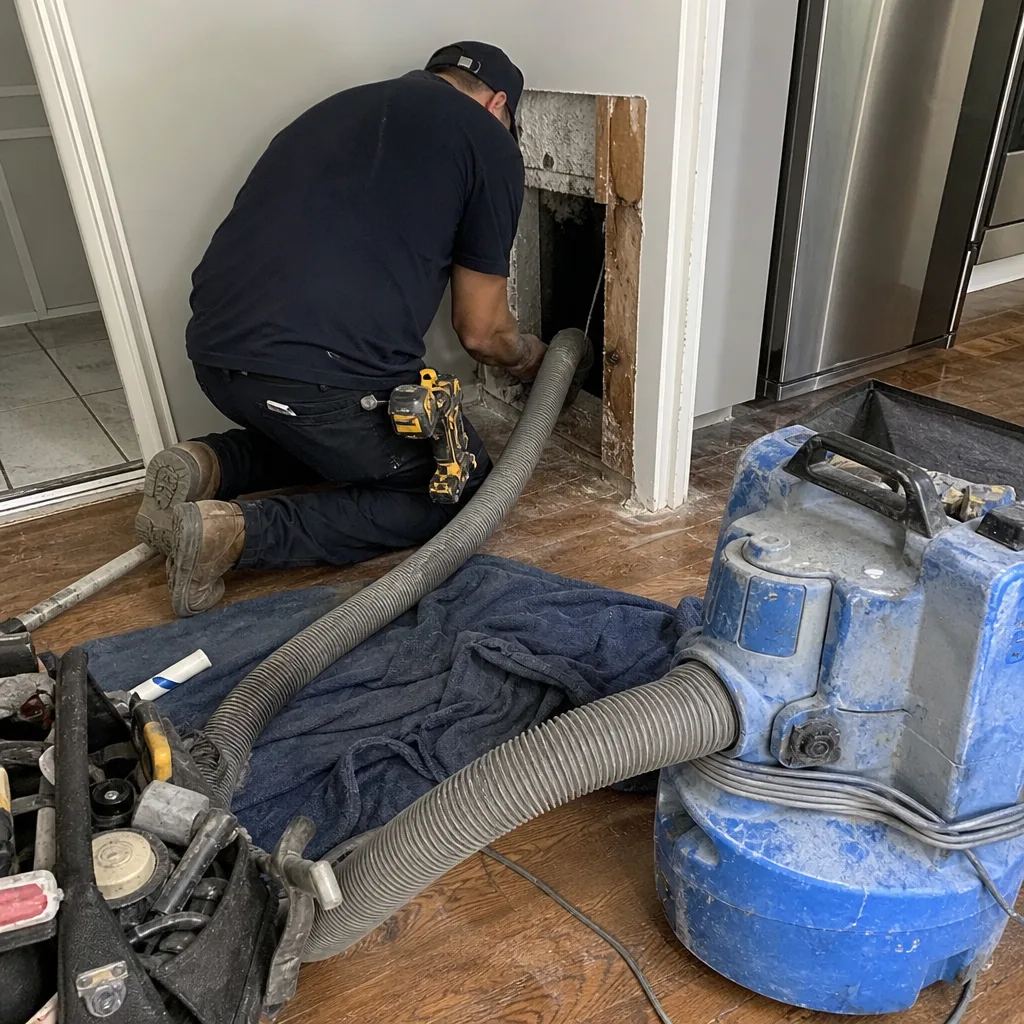
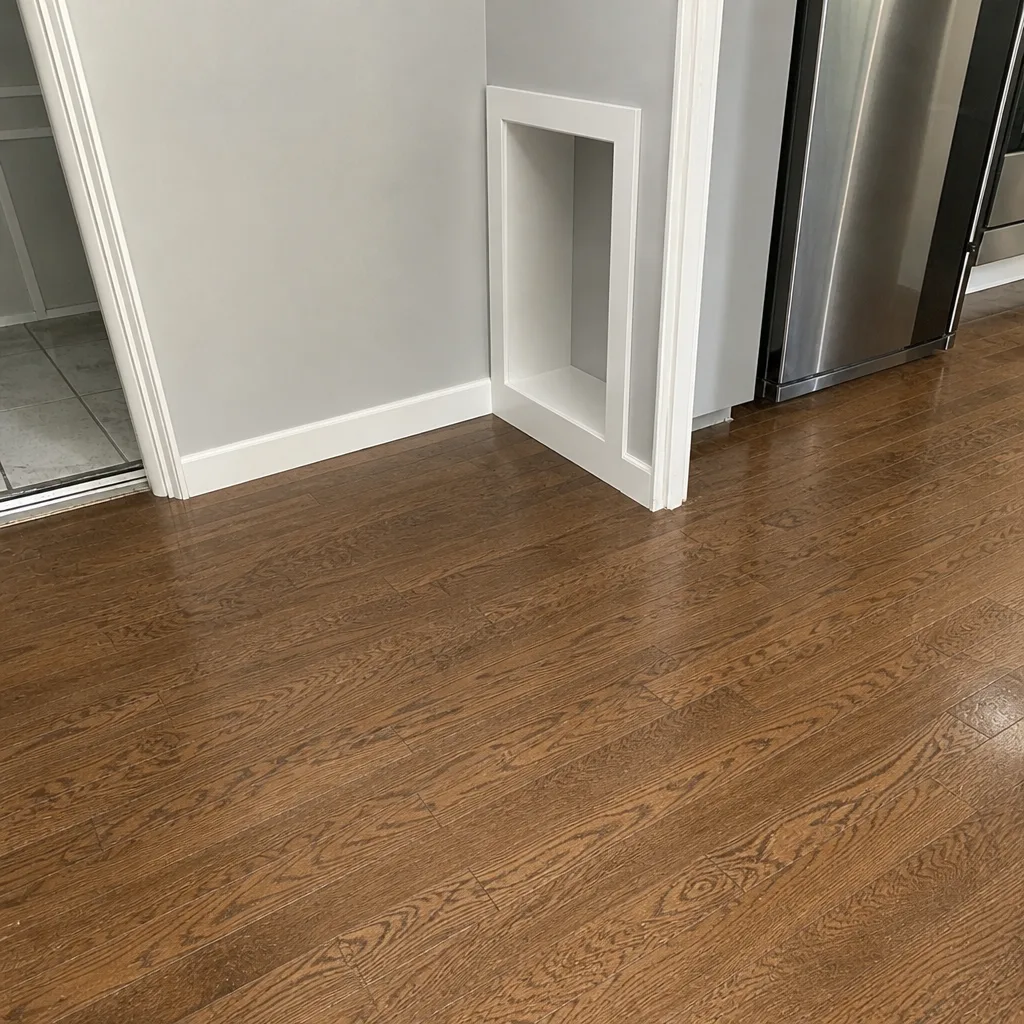
Whole-system duct and dryer vent check with before-and-after photos - you see exactly what came out of your vents
That "$99 whole-house special" is a bait ad - the real number appears once they are in your hallway, or the "clean" is a shop-vac at the register. We photograph the inside of your ducts before and after instead.
Seasonal Air Duct Cleaning Care for South Beach: Year-Round Homeowner’s Guide
In South Beach, the worst duct contamination event of the year isn’t winter heating season. It’s the first week of May, when homeowners switch from heating to cooling and push an entire winter’s worth of settled particulate through the supply side in one motion. Most people schedule duct work in the fall because that’s when the HVAC industry tells them to, and they end up missing the moment their system actually needs attention. This guide maps the two real stress periods South Beach ducts go through, the spring switchover and the storm-season build-up, and gives you specific actions for each seasonal transition instead of one vague annual cleaning.
Quick Answer
The best time to clean air ducts in South Beach is late April to early May, right before you switch from heating to cooling, and again in early October before hurricane season winds down and you return to heating mode. Summer continuous-cooling operation and winter intermittent heating put different demands on your ducts, and treating them as one uniform annual schedule misses the highest-risk contamination moment of the year.
Styles & brands we work with
- Whole-home duct cleaning
- Dryer vent cleaning
- Camera inspection
- Sanitizing & deodorizing
Table of Contents
- Why South Beach Has Two Duct Seasons, Not One
- What Summer Continuous Cooling Does to Your Ducts
- Winter Intermittent Heating: The Slow Build-Up
- The Spring HVAC Switchover: Highest-Risk Week of the Year
- Preparing Ducts Before Hurricane Season
- Fall Inspection Priorities in South Beach
- Filter Selection by Season: Humidity and Pollen
- Common Mistakes to Avoid
- When to Call a Professional
- Frequently Asked Questions
Why South Beach Has Two Duct Seasons, Not One
Most of the country runs on a single duct calendar: heat all winter, cool all summer, clean in the fall. South Beach doesn’t work that way. Here, the cooling season dominates from roughly May through October, and the system runs nearly without pause during that stretch. The heating season is short and intermittent, which means ducts spend more total hours under cooling load than under heat, and the contamination profile in the supply side looks different as a result.
That pattern creates two distinct stress windows. The first is the transition itself, when you flip from heating to cooling and mobilize everything that settled over the winter. The second is the deep summer run, when condensation, pollen draw, and continuous airflow combine to layer fine particulate across the duct walls. Neither one is the same as the generic “annual cleaning” recommendation most HVAC companies hand out, and neither one gets solved by a single visit that lands in the wrong month.
The two South Beach duct seasons at a glance
- Cooling season (May through October): continuous operation, high condensate risk, pollen intake, mold-and-mildew pressure inside the air handler and supply trunks.
- Heating season (November through April): intermittent operation, settled particulate accumulation, less airflow to move the accumulation out, dust concentrated on the return side.
- Both transition windows: the 48 to 72 hours around the switchover are when the system pushes the largest volume of accumulated material into the living space.
When we service ducts in South Beach, we time the work to those transitions rather than to a calendar quarter. Our technicians have up to 12 years of experience walking homeowners through this, and the pattern holds whether the home is a small pre-war condo conversion or a newer single-family house near the bay.
What Summer Continuous Cooling Does to Your Ducts
In July and August, a South Beach AC system can run 14 or more hours a day. That’s what continuous cooling does: it turns the duct network into a long, humid, consistently-moving tunnel. Two things happen. First, condensation forms on the interior of the ducts any time the air inside drops below the dew point of the surrounding air, which is common in a South Beach summer. Second, that condensation turns fine dust into a stuck film, and the film gives mold and mildew a place to grow.
What continuous cooling actually does
- Coils and the air handler stay wet. Condensate pans fill faster, and any standing water in the drain pan becomes the source of the musty smell you notice when you walk into the house.
- Pollen and fine outdoor particulate get pulled in through the return grille while windows are open in transition weeks and the system is running at full load.
- Duct tape, mastic, and flex joint seals soften from constant exposure to conditioned, humid air, and small leaks widen.
- Static pressure in a fully-loaded system rises if the filter is loading up faster than it should, forcing the blower to work harder than it needs to.
The fix isn’t a bigger filter. It’s a proper cleaning at the right moment, a sealing pass on the joints and boots we can reach, and a sanitizing step that addresses the condensate side of the air handler. That’s why we bring Abatement Technologies equipment on summer jobs, where the source control is contamination and moisture rather than a routine dust pass.
What to check in mid-summer
- Look at the condensate pan under the air handler. Is it draining freely, or is water sitting in it after the system shuts off?
- Run the fan in “on” mode briefly and note the smell coming from the supply registers. A musty or wet-dog odor points to moisture-driven contamination, not dust.
- Check that return grilles are unobstructed and that furniture hasn’t blocked them.
- Replace the filter more often than the package says if you’re near a busy road or run the system nearly all day.
If the smell persists after a filter change, the source is behind the register, in the duct or the air handler, and that’s a HVAC cleaning job rather than a filter swap.
Winter Intermittent Heating: The Slow Build-Up
South Beach winters don’t look like winters anywhere else. Some days the heat runs a couple of hours; other days it doesn’t run at all. That stop-start pattern is quiet but it compounds. When air isn’t moving, particulate settles. Where it settles is the return side, the trunk lines, and the plenum just above the air handler, because the return air is unfiltered upstream of the filter and it carries whatever is in the room.
By the middle of March, the return side often carries more accumulated dust than it did in September. The heating season is where the build-up happens. The cooling season is where the system then distributes that build-up through the supply side. That’s why winter is the season to inspect, not to ignore.
What intermittent heating does to duct health
- Settling increases in low-airflow sections. Ducts that see less airflow accumulate fast, and branches that feed rarely-used rooms are the first to load up.
- Cracks and gaps in return duct joints leak unconditioned air into the system, which drives up the load on the blower when the system finally runs.
- Dry-out and re-wet cycles stress flex duct and taped joints that swelled slightly during the humid summer.
- Dust and debris from seasonal cleaning (holiday storage, moving furniture, deep cleans) find their way into return intakes.
What to check in winter
- Inspect and photograph the return grilles and the filter slot. If the filter looks grey within two weeks, the return side needs attention.
- Walk the attic or crawlspace and look for separated flex duct, torn insulation facing, and disconnected take-offs.
- Note any rooms that feel weaker than they did last winter; that’s usually a leak or a collapsed run rather than a failing furnace.
- Schedule an inspection for late February or early March, before the switchover makes the built-up material airborne.
We see this on every winter inspection, and it’s the reason we treat the pre-spring cleaning as the priority appointment of the year for South Beach homeowners.
The Spring HVAC Switchover: Highest-Risk Week of the Year
The switchover is the moment a heating system’s accumulated dust load becomes airborne in a single, high-volume push. When the thermostat flips from heat to cool and the blower runs continuously for the first warm week, everything that settled on the return side and in the trunk lines gets pulled into the supply side and into the rooms. This is the moment when homeowners walk in and say the air smells like an attic, even though the system was fine all winter.
How to prepare for the spring switchover
- Book the cleaning before the switchover, not after. The ideal window in South Beach is mid to late April. By early May, the system is already running and the contamination is already in the room.
- Inspect the air handler and coil housing for winter build-up. A coil that loaded up over the winter will run less efficiently during the cooling season.
- Replace the filter the same day you switch from heat to cool, and start the season with a fresh one.
- Sanitize the condensate pan and drain line at the switchover. Standing water from winter is the source of most of the musty smell homeowners attribute to “the AC.”
- Run the system with the fan on for a few minutes after cleaning so the ducts fully dry before the humid season begins.
Our preferred equipment for this moment is rotary-brush extraction paired with a high-capacity negative-pressure vacuum, because the switchover job is about removing the settle-out before the blower can re-distribute it, not about a light surface pass. If you’ve ever wondered whether air duct cleaning actually matters, the switchover week is the answer: it matters most exactly when the system is changing modes.
Preparing Ducts Before Hurricane Season
Hurricane season runs from June through November, and in South Beach, the biggest indoor-air risk during that stretch isn’t the storm itself. It’s what happens after a storm, when outdoor humidity spikes, power drops for hours, and a system that sat wet and idle for a day or two restarts with a full load of moisture-laden air and whatever blew in through an unsealed return or outdoor-air intake. Ducts that were sealed and clean before the storm recover well. Ducts that were already compromised become mold-and-mildew territory within days.
Preparation checklist (do this in May)
- Seal return duct joints and boots in the attic, garage, or crawlspace. A storm doesn’t have to breach the envelope to introduce humid air; a leaky return does the same job.
- Inspect outdoor-air intakes and fresh-air vents for gaps, missing screens, or insect intrusion.
- Clean and sanitize the air handler and condensate pan, and check that the drain line is clear and pitched correctly.
- Keep a spare filter on hand so you can swap it right after a storm without waiting.
- Photograph the inside of the return plenum and the air handler before the season, so you have a baseline to compare after any flooding or water intrusion.
If a storm does drive water into the system, the right move is to leave the HVAC off until a technician has inspected it, and to book a duct cleaning and sanitizing visit before you run the system for long. Contamination that’s caught early is a cleaning job. Contamination that sits for weeks becomes a remediation job. If you suspect the system has been contaminated or wet for more than a day, this is where we bring Abatement Technologies equipment and Guardsman sanitizing products into play, and it’s why we treat post-storm work as its own category of job.
Fall Inspection Priorities in South Beach
October and November are the return to heating mode. The system gets less use, but the inspection still matters, because everything that built up over the cooling season is now sitting in the ducts, and the first cold snap will distribute it. The fall inspection is where we catch what the summer left behind, before the heating season locks it in place.
Fall priority list
- Check the entire return side. Summer pollen and fine particulate load the return first. Look for visible dust on the blower wheel and inside the return plenum.
- Inspect the coil and air handler for summer film, biofilm, or standing moisture.
- Verify duct sealing at every joint, boot, and take-off, especially in the attic and crawlspace, where summer heat degrades tape and mastic faster than in the conditioned space.
- Test the whole system in heat mode after cleaning, and note any rooms that don’t heat evenly. That’s usually a sealing or balancing issue, not a furnace issue.
- Look for insect or rodent intrusion at the outdoor intake and at any disconnect in the duct run.
If any of that turns up damaged flex duct, torn insulation facing, or a disconnected run, the fix is duct repair and sealing before the heating season starts. Sealed ducts mean the air you paid to heat actually reaches the rooms, and the fall inspection is the last realistic window to make that happen before the first cold week.
Filter Selection by Season: Humidity and Pollen
Filter choice in South Beach is a seasonal decision, not a one-time purchase. The trade-off is always the same: a higher MERV rating captures finer particles but adds resistance to airflow. In a humid, high-pollen climate, that trade-off cuts against you in different ways depending on the season.
Season-by-season filter guidance
- Late winter into early spring (March and April): pollen season peaks in South Beach just as the heating season ends. Use a mid-range pleated filter and check it every two to three weeks. Change it the day you switch to cooling.
- Summer (May through September): go with the filter rating your system is designed for, not the highest one you can find. In a continuously-running AC system, a restrictive filter forces the blower to work harder and pulls air through gaps and leaks instead of returns, which is the opposite of what you want.
- Fall (October and November): drop back to a mid-range filter while you’re testing the heating season, and keep a spare so you’re not caught without one during the first cold week.
- Post-storm: change immediately. A filter that’s taken in storm debris, dust from nearby work, or humid air is a filter that needs to come out.
If your system already has a Honeywell or Aprilaire media cabinet or air cleaner, the right filter is usually the one the cabinet was designed for, and the wrong one can bypass the seal and let air around it. We stock and install both brands and can tell you which is actually in your system before you buy a replacement.
What about humidity control?
South Beach humidity pushes the AC and the duct system harder than the filter does. A whole-home dehumidifier, or a properly sized AC running longer cycles instead of shorter ones, does more for duct health than any filter upgrade. If you smell mustiness every summer despite a clean filter, the issue is the moisture load, not the media.
Common Mistakes to Avoid
- Cleaning only once, in the fall. South Beach ducts go through two stress periods, not one. A single fall cleaning misses the spring switchover, which is the highest-risk week of the year.
- Cleaning after the switchover instead of before. By the time the system has run for a week in cooling mode, the accumulated winter dust is already in the rooms. The appointment needs to happen before the thermostat flips.
- Buying the most restrictive filter on the shelf. A high-MERV filter on a duct system that wasn’t designed for it adds static pressure and starves airflow. The correct filter is the one the system was engineered for, not the strongest one available.
- Skipping the return side. Most visible dust in a South Beach home enters through the return, and the return side is also the side most likely to develop leaks in the attic. Cleaning only the supply registers misses the source.
- Ignoring the condensate pan. The musty smell in summer usually comes from a pan or drain line with standing water, not the ducts themselves. Cleaning ducts without addressing the pan leaves the smell in place.
- Skipping dryer vent cleaning on the same visit. The dryer vent is the leading appliance fire-risk factor in a home, and it’s a job most cleaners ignore or outsource. If you’re booking a duct visit anyway, co-schedule it.
- Running the system after a storm without an inspection. A few days of wet, idle ductwork is when mold takes hold. Wait for the inspection, then book a cleaning and sanitizing visit before you run the system for a full day.
When to Call a Professional
Call a professional when the problem is coming from inside the system rather than from the room. A musty smell that survives a filter change, visible dust on the supply registers a week after cleaning the room, a blower wheel that’s caked in fine grey dust, or ducts that were wet during a storm all point to work that portable shop vacuums can’t do. If your ducts haven’t been cleaned since before the current cooling season and the heating season is about to start, that’s the window to book. If you’re moving into a South Beach home and you don’t know the service history, an inspection is the cheapest way to find out what you’re dealing with. Air Duct Cleaning South Beach offers free estimates in South Beach. Call (877) 792-7501. We answer 24/7. Fast dispatch from 7am to 7pm, Sunday through Friday.
Frequently Asked Questions
For most South Beach homes, we recommend cleaning twice a year: once in mid to late April before the switchover to cooling, and once in early October before the return to heating. Homes with pets, recent renovation, or a history of storm-related water intrusion may need a third visit in mid-summer. The key is timing the visit to the transition, not to a generic annual slot. Call (877) 792-7501 for an exact quote. Estimates are free.
Spring is the more important cleaning, because the switchover from heating to cooling is when the largest volume of built-up particulate becomes airborne. Fall is a close second, because that’s when you catch what the summer left behind before the heating season locks it in. If you can only schedule one visit a year, do it in April.
Yes, and specifically a cleaning and sealing pass in May. The value isn’t preparing for the storm itself; it’s preventing post-storm contamination from spreading, because sealed, clean ducts recover from a power outage or water intrusion far better than compromised ones. It’s a relatively short job that pays off if the system gets wet.
Use the filter rating your system was designed for, which for most South Beach homes means a mid-range pleated filter, not the highest-MERV option. In a continuously-running summer AC system, an overly restrictive filter increases static pressure and forces the blower to pull air through gaps and leaks. If your system has a Honeywell or Aprilaire media cabinet, use the filter designed for that cabinet.
The clearest signs are a musty smell that survives a filter change, visible dust on registers a week after cleaning the room, a blower wheel loaded with grey dust, or known water intrusion into the system. A visual inspection of the return plenum and air handler answers the question in a few minutes. If you’re not sure, book an inspection rather than a cleaning. Call (877) 792-7501 for a free estimate.
A seasonal cleaning is timed to the transition and includes inspection, sealing, and sanitizing alongside the cleaning. A routine cleaning is a periodic dust removal without the transition-specific work. In South Beach, the seasonal version matters more, because the switchover and the storm season are the two events that actually stress the system. If you’re only going to book once a year, book the seasonal version.
The Bottom Line
South Beach’s climate creates two distinct duct seasons, not one. The spring switchover is when winter’s settled particulate becomes airborne, and hurricane season is when compromised ducts turn a recoverable problem into a remediation job. Handle both by cleaning in April before the switchover and inspecting in the fall before the return to heating, and let the filter, the sealing, and the condensate pan do the daily work in between. If you’d rather have a technician walk through it with you, Air Duct Cleaning South Beach offers free estimates in South Beach. Call (877) 792-7501. We answer 24/7. Fast dispatch from 7am to 7pm, Sunday through Friday. Our technicians have up to 12 years of experience, and we bring the same professional-grade Rotobrush, Nikro, and Abatement Technologies equipment we use on commercial work to every residential job.
Written by the team at Air Duct Cleaning South Beach.
See the difference
 Before
 After
 Before
 After
 Before
 After