
Last updated November 24, 2026
 Whole-home duct cleaning
 Dryer vent cleaning
 Camera inspection
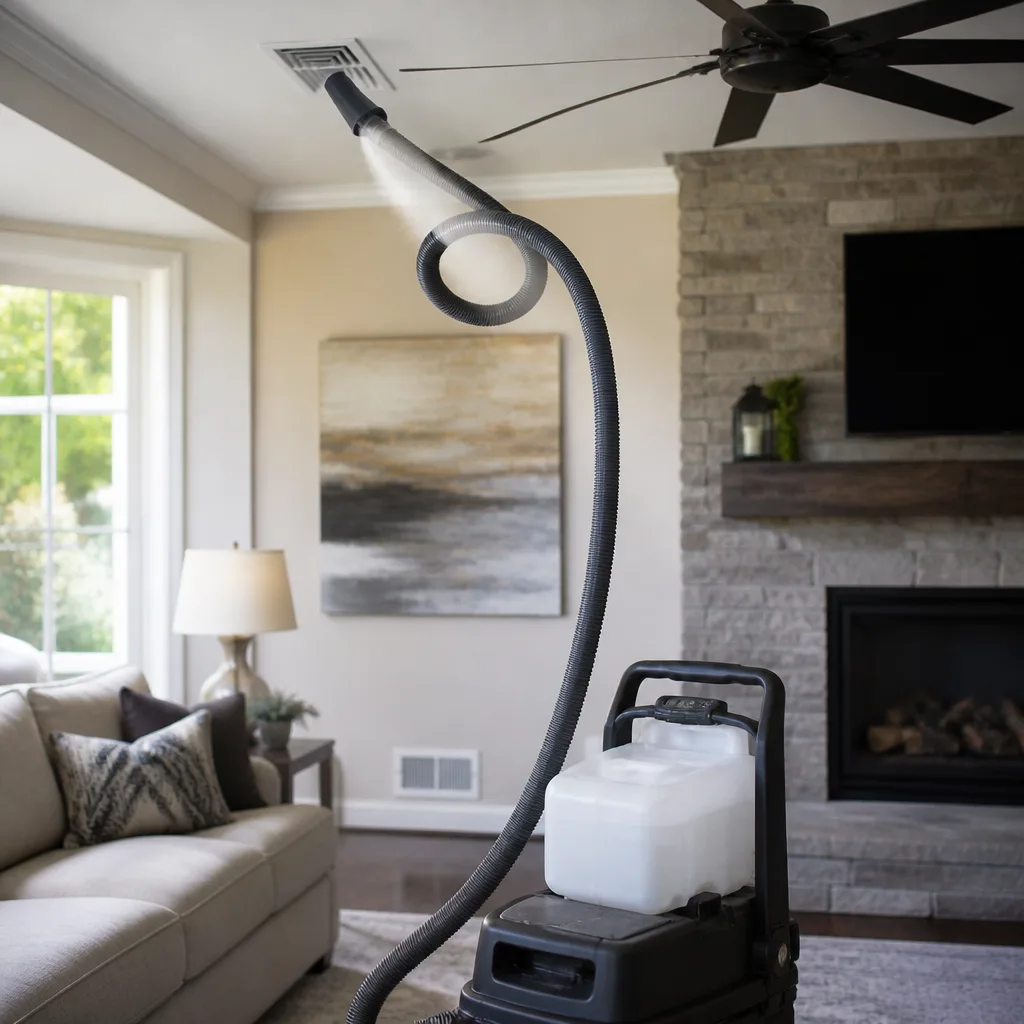 Sanitizing & deodorizing
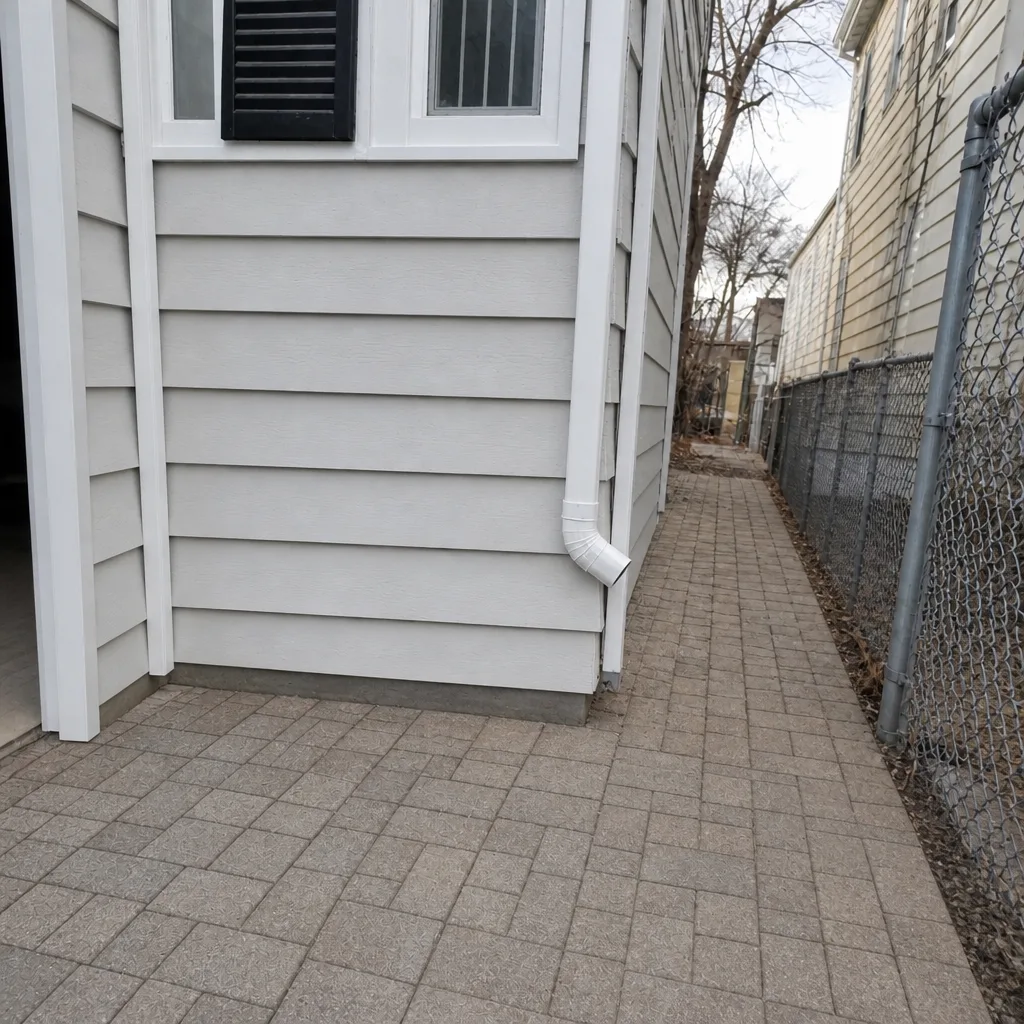
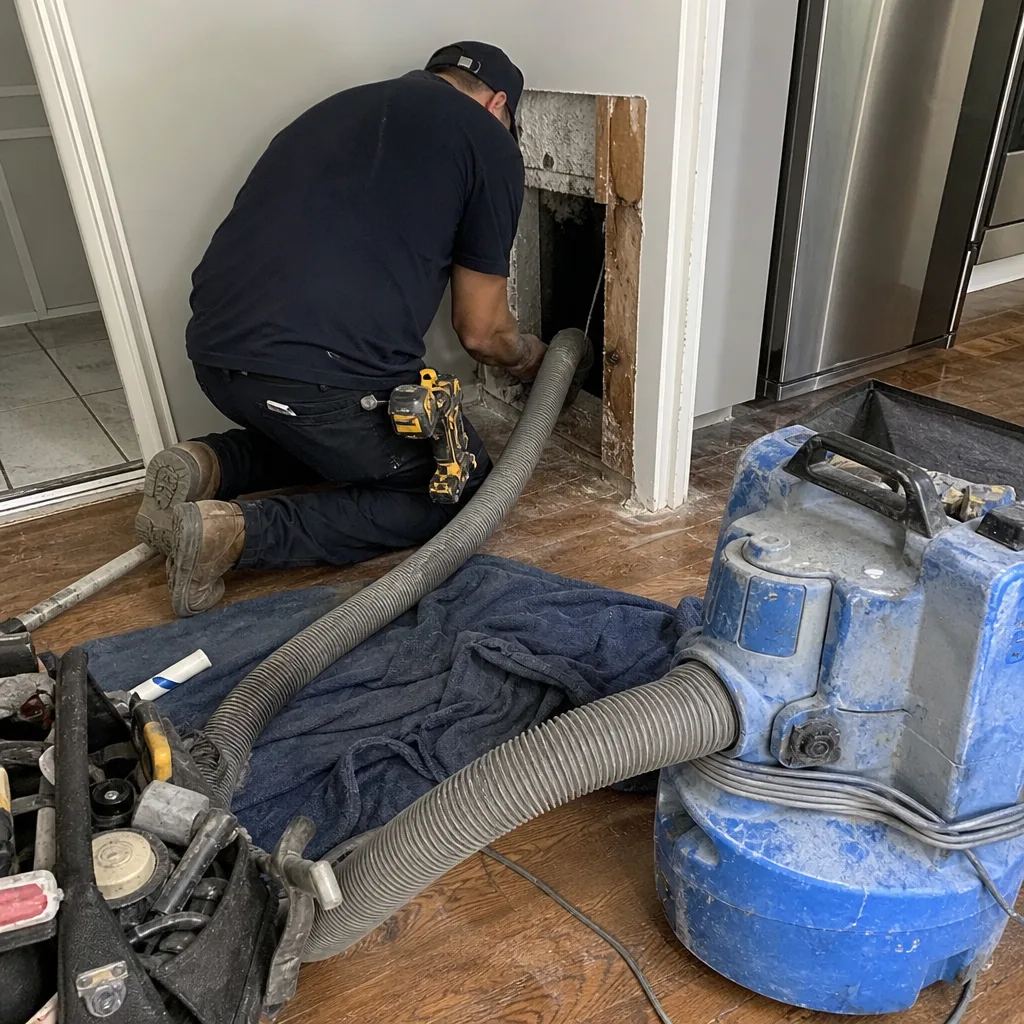
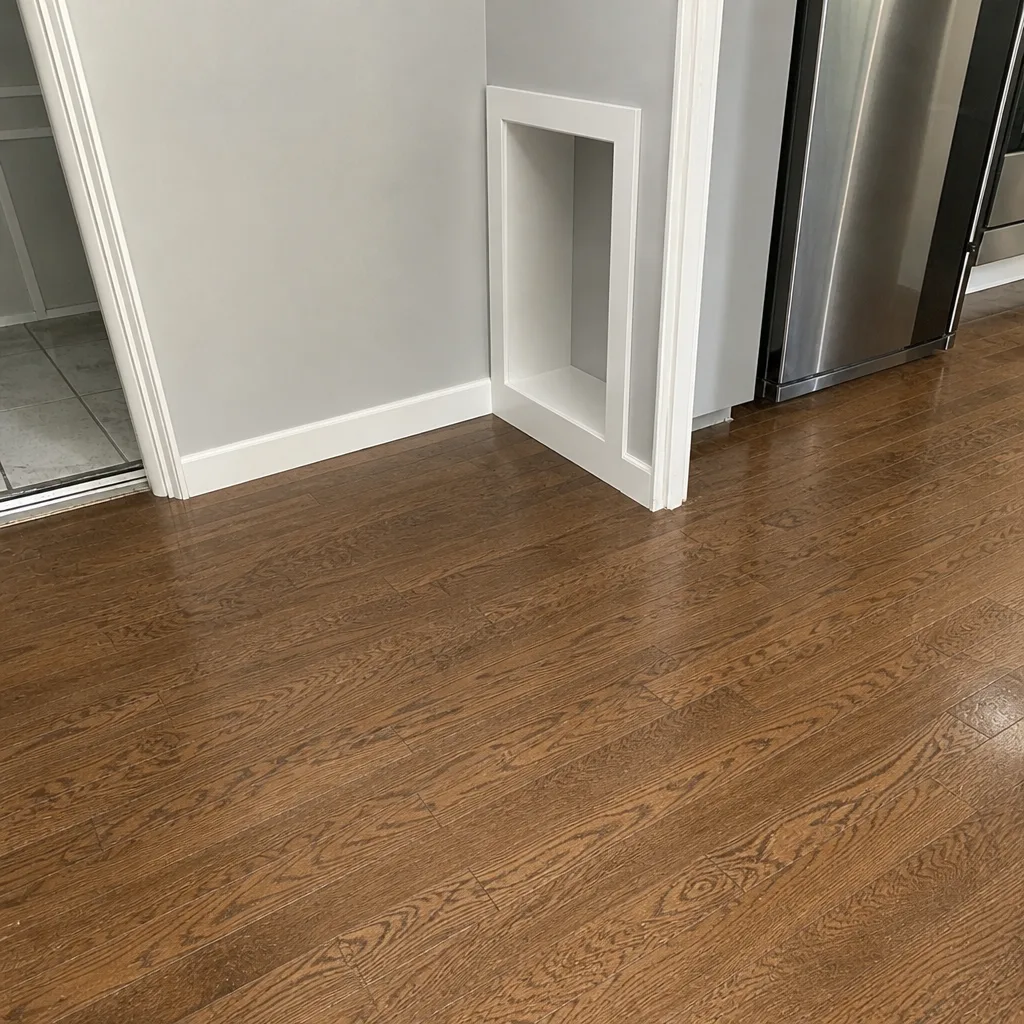
Whole-system duct and dryer vent check with before-and-after photos - you see exactly what came out of your vents
That "$99 whole-house special" is a bait ad - the real number appears once they are in your hallway, or the "clean" is a shop-vac at the register. We photograph the inside of your ducts before and after instead.
The Complete Guide to Air Duct Cleaning in South Beach
Most air duct guides are written for landlocked suburban ranch homes, and they assume a fairly stable indoor environment. South Beach is a barrier island, where relative humidity often climbs past 70% and salt particulates find their way into every fresh-air intake. That produces a fundamentally different contamination problem than a generic checklist describes. We’ve taken apart duct systems here long enough to know that the material accumulating inside them is wetter, saltier, and more biologically active than the same ducts five miles inland. This guide maps exactly what collects inside South Beach ducts, why the local climate and housing stock change how the job should be done, and how to tell a real source-removal cleaning from a surface vacuum pass.
Quick Answer
Air duct cleaning in South Beach means removing accumulated dust, biological growth, and salt-laden particulate from the full duct system using mechanical agitation and negative-pressure extraction, not just suction at the vents. In this climate the job has to include moisture assessment, seam and joint inspection, and filtration review, because humidity and airborne salts work together to corrode seams and feed growth inside flex duct and fiberglass liner. A proper cleaning restores airflow, removes the source of contamination, and leaves the system in a condition you can document.
Styles & brands we work with
- Whole-home duct cleaning
- Dryer vent cleaning
- Camera inspection
- Sanitizing & deodorizing
Table of Contents
- Why South Beach Ducts Are Different
- How Humidity and Salt Feed Contamination
- Housing Age, Duct Material, and Cleaning Protocol
- Source Removal vs. Blow-and-Collect
- What a Legitimate Inspection Report Should Show
- The Equipment That Actually Matters
- Dryer Vents: The Fire Risk Most Cleaners Skip
- Clean Ducts, Sealed Joints, Quality Filtration
Why South Beach Ducts Are Different
Duct contamination is usually framed as a dust problem. In South Beach it’s closer to a moisture and chemistry problem, and dust is just the carrier. South Beach sits on a barrier island, and the air moving through these homes carries fine salt particulate alongside the usual dust, pollen, and construction debris. That salt settles on duct walls, and because it’s hygroscopic it holds moisture against the surface instead of letting it dry. On a hot, humid day the inside of a duct can stay damp for hours after the air handler shuts off.
That damp, salty film is what makes the contamination profile different:
- Growth takes hold faster. Mold and mildew colonize a damp surface within days under warm conditions, and duct interiors in South Beach rarely stay dry enough to resist.
- Salt attacks the metal. Fasteners, screws, and seam tape on South Beach systems corrode where salt-laden moisture collects. A corroded seam is a leak, and a leak means the cleaning you paid for gets bypassed by dirty air.
- Humidity spikes stress the whole system. Seasonal swings push condensation onto duct surfaces in interior closets and unconditioned chases, which is exactly where growth starts.
- Older housing stock is common. Much of South Beach’s residential construction spans several decades of building practice, so duct materials and installation quality vary enormously from one block to the next.
A cleaning method designed for a dry climate can leave that damp layer and the growth behind. That’s why any real air duct cleaning in South Beach has to look at moisture and seams, not just the dust volume in the supply trunks.
How Humidity and Salt Feed Contamination
Humidity and salt work as a pair. Salt deposits pull moisture out of the air and hold it on the duct surface, and moisture is what mold needs to colonize. The material that suffers most is flex duct and fiberglass duct liner. Flex duct has a corrugated inner liner with ridges that trap debris, plus a porous insulation layer that can absorb and hold moisture against the inner core. Fiberglass acoustic liner is even more porous, and once it’s damp it stays damp. Cleaning can remove what’s sitting on the surface, but material that has soaked through or degraded can’t be restored to safe condition by cleaning alone.
The practical consequence for South Beach homes:
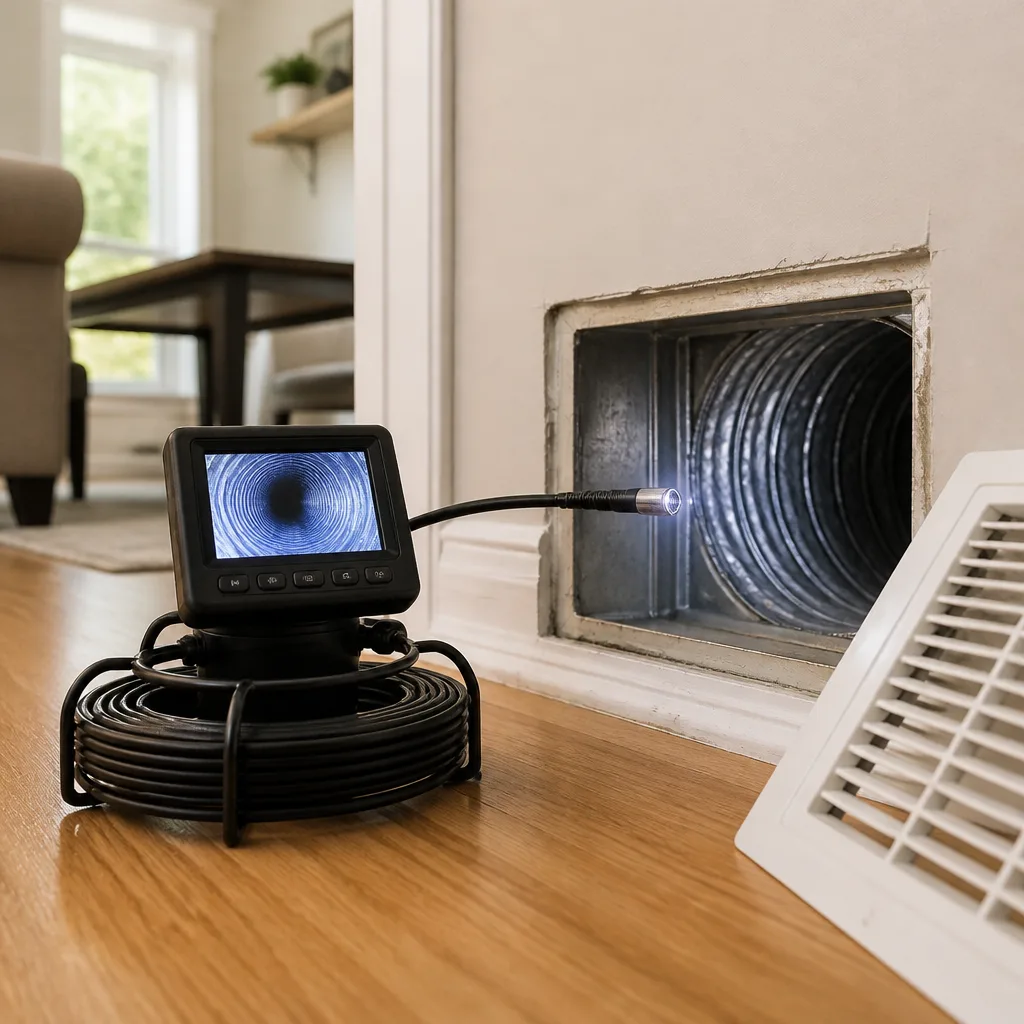
- Inspect before committing. A technician should look inside several runs, not just the nearest supply grille, and note what material each duct is made of and whether it’s damp.
- Assess moisture at the source. Condensation on the air handler, an oversized system short-cycling, or a leaky return in a humid closet can all keep duct interiors wet. Cleaning without finding the source means the growth returns.
- Test the liner. If fiberglass liner is soft, stained, or separated from its facing, cleaning is not enough. The soiled section needs evaluation for repair or replacement.
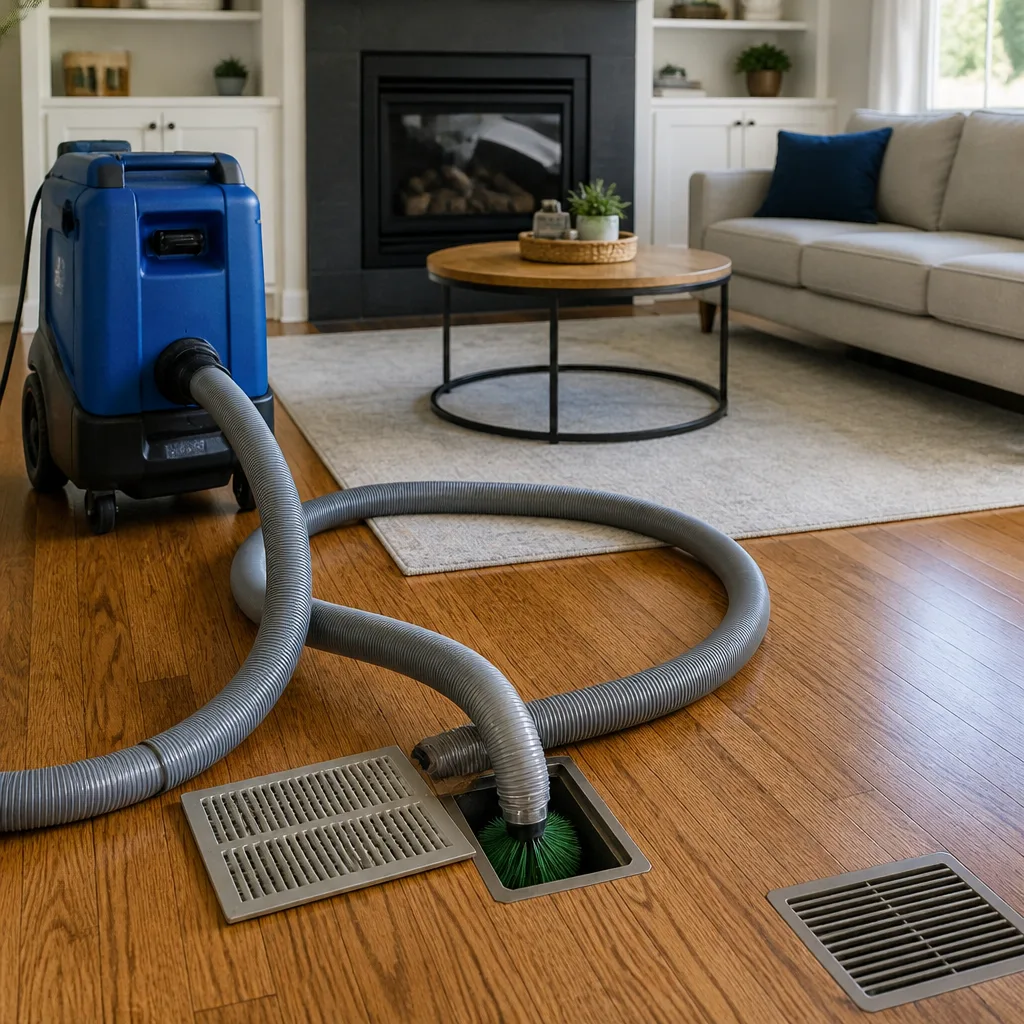
- Clean mechanically, dry fully. Rotary brush and vacuum equipment agitates growth and debris off the duct wall; the negative-pressure system then holds it in the extractor and out of the house. The system needs to be left dry, not just cleaner.
This is where a company’s equipment choice becomes a durability question, not just a quality one. In a climate that keeps surfaces damp, the difference between mechanical extraction and a simple suction pass shows up again within a season.
Housing Age, Duct Material, and Cleaning Protocol
The age of a South Beach building tells you a lot about what’s inside the walls. There’s no single “old South Beach construction” profile, but broadly, older buildings here are more likely to have original rigid sheet-metal trunks with duct board branches, while more recent renovations often introduced flex duct runs in tight chases and soffits. Each material demands a different cleaning approach:
- Rigid sheet-metal duct. The most cleanable material. Rotary brush and negative pressure take the surface back to bare metal, and the seams are visible and inspectable.
- Flexible duct. Corrugated ridges trap debris and the outer insulation traps moisture. Brush equipment needs low pressure to avoid tearing the inner liner, and any run that’s crushed, kinked, or soaked through is a candidate for replacement.
- Duct board and fiberglass liner. Porous, and the material that judges a climate most harshly. If liner is moldy, degraded, or wet, cleaning can’t make it safe; it needs to come out.
- Insulated exterior runs. Attic and crawl space runs in a damp climate can absorb moisture where insulation is damaged. We look at these closely before any cleaning starts.
Age also affects how ductwork is connected. Older South Beach buildings were assembled with different seam-sealing practices, and some were installed before modern mastic and foil-tape methods. That means the cleaning protocol has to be decided on site, after inspection, based on what the ducts are actually made of. A single method applied to every home in South Beach will damage the flexible runs and under-clean the metal ones.
Source Removal vs. Blow-and-Collect
This is the distinction that separates real cleaning from a service visit that looks productive. The NADCA standard (National Air Duct Cleaners Association) is built around source removal: physically loosen the contamination from the duct surface and capture it under negative pressure so it leaves the system. The alternative, blow-and-collect, is what budget operators use. They push compressed air down the ducts, agitate some dust into the air, and rely on a lightweight vacuum at a vent to catch it. In a humid climate that method fails, and it can make things worse.
| What the method does | Source removal (NADCA-style) | Blow-and-collect |
|---|---|---|
| Loosens contamination from the duct wall | Mechanical brush and air sweep across the full run | Loose air only; adhesion is left in place |
| Captures what’s dislodged | High-capacity negative-pressure extractor connected to the system | Light suction at one grille; much escapes into the room |
| Handles damp, salt-bound film | Agitates and extracts it with the right brush for each material | Skims the surface; the damp layer stays |
| Effect in South Beach’s humidity | Removes the food source for growth | Leaves the wet substrate that growth returns to |
Why does this matter more here than inland? Because the film on the duct walls in a South Beach home is often tacky with moisture and salt, not dry dust. A blow-and-collect visit can aerate that film into the living space, which is the exact opposite of what the homeowner wanted. A proper source-removal cleaning connects a HEPA-grade negative-pressure system to the ductwork, increases pressure only under containment, and works the full length of every run with the right brush for the material. The homeowner should be able to see the containment connection, the brush agitation, and the extraction before the system gets shut down.
This is also why equipment brands matter so much in this country. A shop vacuum doesn’t generate enough negative pressure to hold a full duct system under containment, and a household vacuum brush doesn’t agitate a salt-bound layer. That’s why we run Rotobrush rotary-brush equipment and Nikro negative-pressure units on residential and light-commercial work, the same kinds of systems commercial contractors use.
What a Legitimate Inspection Report Should Show
Any cleanup you can’t verify is a cleanup you have to take on faith. A real inspection report for a South Beach property should be specific to what’s actually there, and that means more than a box-tick checklist. Here’s what to expect:
- Photo documentation before and after. Each major run, each supply and return trunk, and the air handler interior, photographed at the start of the job and after cleaning. Not a single stock photo of a duct.
- Material and condition notes. For each group of runs: the duct material, whether it’s rigid, flex, or lined, and condition notes for anything crushed, kinked, or damp.
- Moisture and biological observations. Where moisture was found, what the technician noted about visible growth, and which runs need follow-up.
- Seam and joint inspection. This is the one South Beach property owners should insist on. Any seam tape lifting, any corroded fastener, any disconnected joint, documented and either repaired or flagged.
- Air handler and coil condition. A dirty coil or blower wheel recontaminates clean ducts. Note its condition separately.
- Filtration assessment. What filter is installed, what condition it’s in, and whether the MERV rating matches the equipment’s capability.
- Dryer vent findings if that service was part of the visit, with before-and-after documentation.
A report like this should fit on a page or two plus photos. If the company hands you a generic checklist without photos or specific notes, you have no basis for judging whether the work actually happened.
The Equipment That Actually Matters
Nobody buys duct cleaning because of the brand names on the equipment. But in a humid climate, equipment choice often decides whether the job holds. These are the systems we actually run, and why each one earns a spot on the truck:
- Rotobrush rotary-brush extraction. This is the mechanical side of the job. A spinning brush contacts the duct wall and lifts bonded contamination, while a separately routed vacuum line captures it. On flex duct we control the brush pressure so the liner isn’t torn; on rigid metal we can run a stiffer brush.
- Nikro negative-pressure systems. The whole system has to be kept under negative pressure during cleaning, or loosened debris just floats back into the house. Nikro extractors have the airflow and filtration to hold that pressure across a residential system.
- Honeywell and Aprilaire filtration products. These are the names homeowners already know, and they’re the hardware already installed in many South Beach homes. Our technicians can service those systems, explain the MERV rating of the installed filter, and replace hardware where it’s undersized for the system.
- Abatement Technologies equipment. When contamination involves mold, allergens, or a situation where standard containment isn’t enough, this gear lets a technician set up remediation-grade containment rather than treating a real contamination problem as a routine cleaning.
- Guardsman-brand sanitizing products. Where sanitizing is appropriate, we use named, recognized solutions rather than a generic spray. Sanitizing is not a substitute for source removal; it’s a step applied after the ducts are clean, not before.
The point isn’t to check brand names off a list. It’s that a company that invests in professional-grade agitation and negative pressure has the capability to handle the full range of what South Beach duct systems contain, from routine dust load to wet liner that needs a documented plan.
What We Do With Those Tools
Here’s how the equipment sequence actually works on a typical South Beach job:
- Inspection with a camera and visual review of the air handler, trunks, and a representative sample of runs.
- Containment and negative pressure established before any agitating starts.
- Mechanical agitation with the correct brush type for each duct material.
- Extraction of loosened material through the negative-pressure system.
- Coil and blower inspection and cleaning where needed.
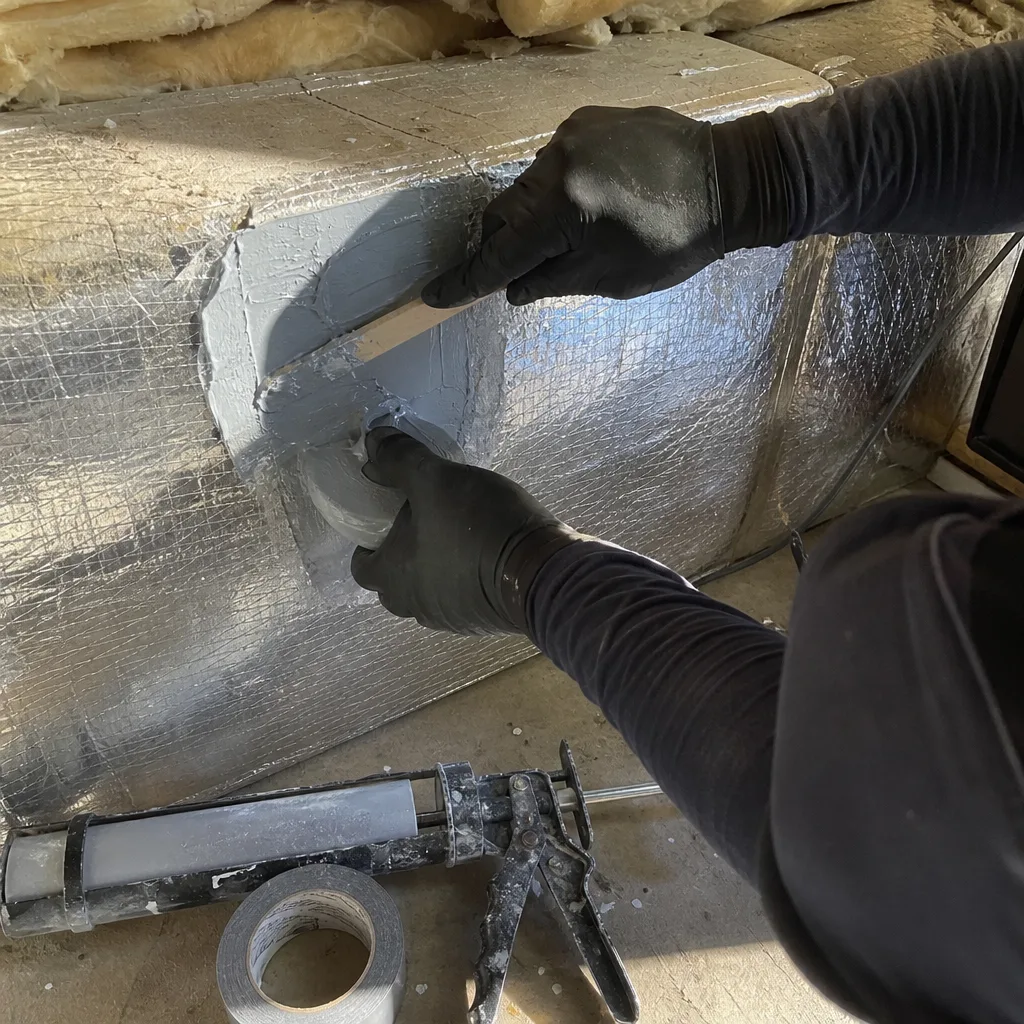
- Seam and joint repair or sealing where bypass was found.
- Sanitizing only after the system is clean and dry.
- Before-and-after documentation, with a walk-through before we leave.
Dryer Vents: The Fire Risk Most Cleaners Skip
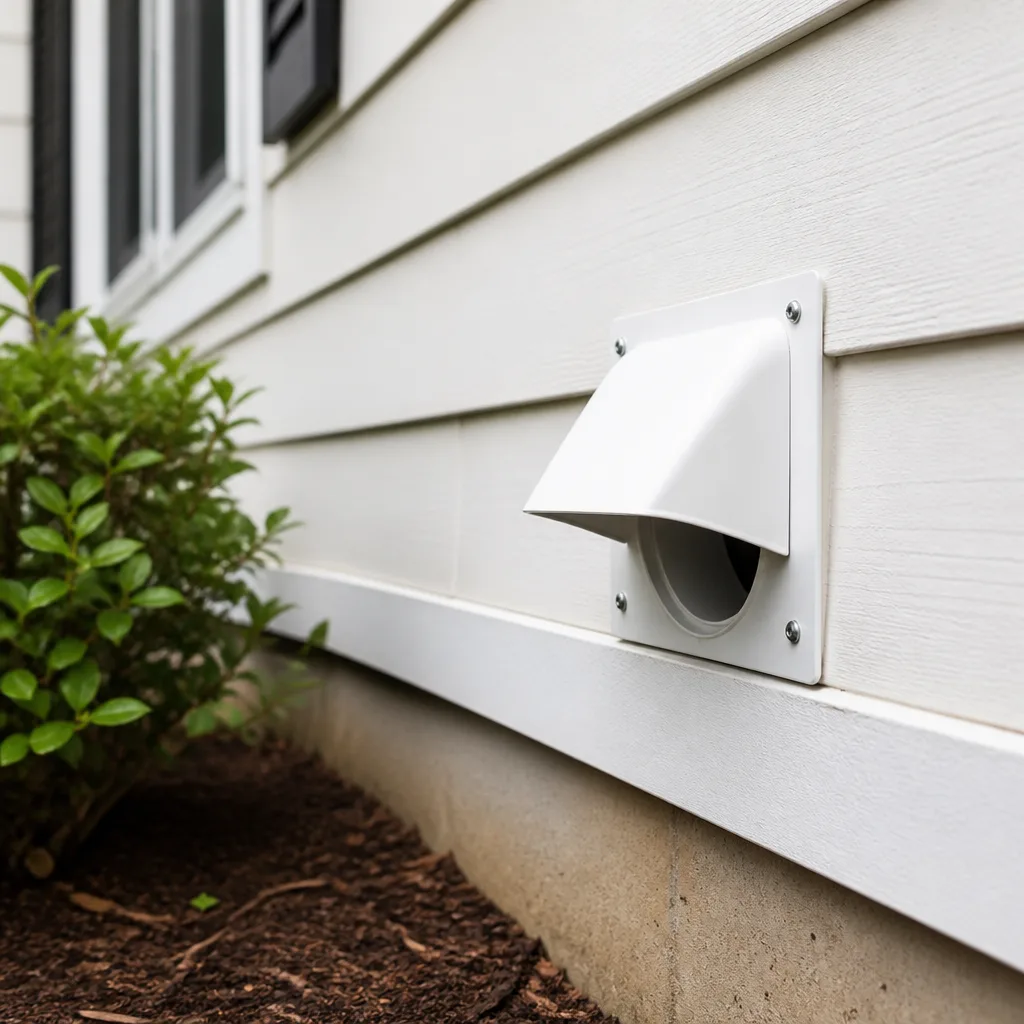
Lint buildup in a dryer vent is the leading appliance-related fire risk in a home, and it’s the service most duct cleaners don’t offer or quietly outsource. In South Beach’s dense housing stock, where dryers sit in closets and utility rooms and vent runs sometimes travel a long way to the exterior, a clogged line is a serious concern. Flex transition hoses kink and sag, and each sag traps lint. A long run with a couple of elbows compounds the problem.
Dryer vent cleaning is a separate service from duct cleaning, but it’s usually the right one to co-schedule. Our technician inspects the length of the run, the transition from dryer to wall, and the exterior termination point, and clears the lint before it can become fuel. If the run uses corrugated flex where smooth metal would be better, that gets flagged and documented in the report. Adding dryer vent cleaning to a duct visit takes a fraction of the time and covers a fire risk most cleanings leave untouched.
The same thinking applies to the rest of the mechanical system. Dust buildup on the evaporator coil and blower wheel reduces airflow and makes the system work harder for less cooling, and in a warm, humid climate that’s a real cost. Cleaning the coil and duct system as a unit is why we treat HVAC cleaning as part of the same conversation, not a separate customer.
Clean Ducts, Sealed Joints, Quality Filtration
Air duct cleaning alone is a maintenance action, not a fix. In South Beach’s climate, three things have to work together or the cleaning degrades faster than it should:
- Clean ducts. Source removal gets the accumulated dust, biological growth, and salt-bound film off the walls. That removes the food source for regrowth.
- Sealed joints. Cleaned ducts leak at every unsealed seam, and each leak pulls unconditioned, humid attic or chase air into the system. Sealing the joints means the air you paid to cool actually reaches the register, and the cleaned interior stays clean.
- Quality filtration. Filter choice matters. A high-efficiency filter can improve indoor air quality, but on a system that isn’t designed for it, the restrictive filter can starve airflow and strain the blower. Matching the filter to the equipment, and staying on top of filter changes, keeps everything working together.
Duct repair and sealing is the piece homeowners skip most, and it’s the piece that most often explains why a cleaned system feels unchanged. If seams are bypassing humid air into the duct, the system picks up moisture and particulates almost as fast as cleaning removes them. We inspect repairs with the homeowner before we leave, so you can see what was sealed and why.
Common Mistakes to Avoid
- Accepting a per-vent or coupon price. A low teaser price is often designed to get a technician to the door so the real cost can be uncovered on site. Ask for one flat price per system, in writing, before anyone starts.
- Believing a blow-and-collect “cleaning” is enough. In South Beach’s humidity, air-only agitation leaves the damp film that growth returns to. Insist on mechanical source removal with negative-pressure extraction.
- Skipping the seam inspection. A cleaned system with unsealed or corroded seams leaks humid air back into the ducts. If the report doesn’t mention seams, the cleaning is incomplete.
- Sanitizing instead of cleaning. A sanitizing spray over contaminated ducts doesn’t remove the contamination. It should follow source removal, not replace it.
- Ignoring the dryer vent. Lint buildup in a South Beach vent run is a fire risk that a duct cleaning visit doesn’t automatically cover. Ask for it to be scheduled.
- Assuming the cheapest filter is fine. The wrong MERV rating strains the blower, and the right one keeps the duct system and coil cleaner. Get a recommendation tied to the actual equipment.
- Booking without photos in the final report. Without before-and-after documentation of your own ducts, you have no way to confirm the work happened. Ask for it before you book.
See the difference
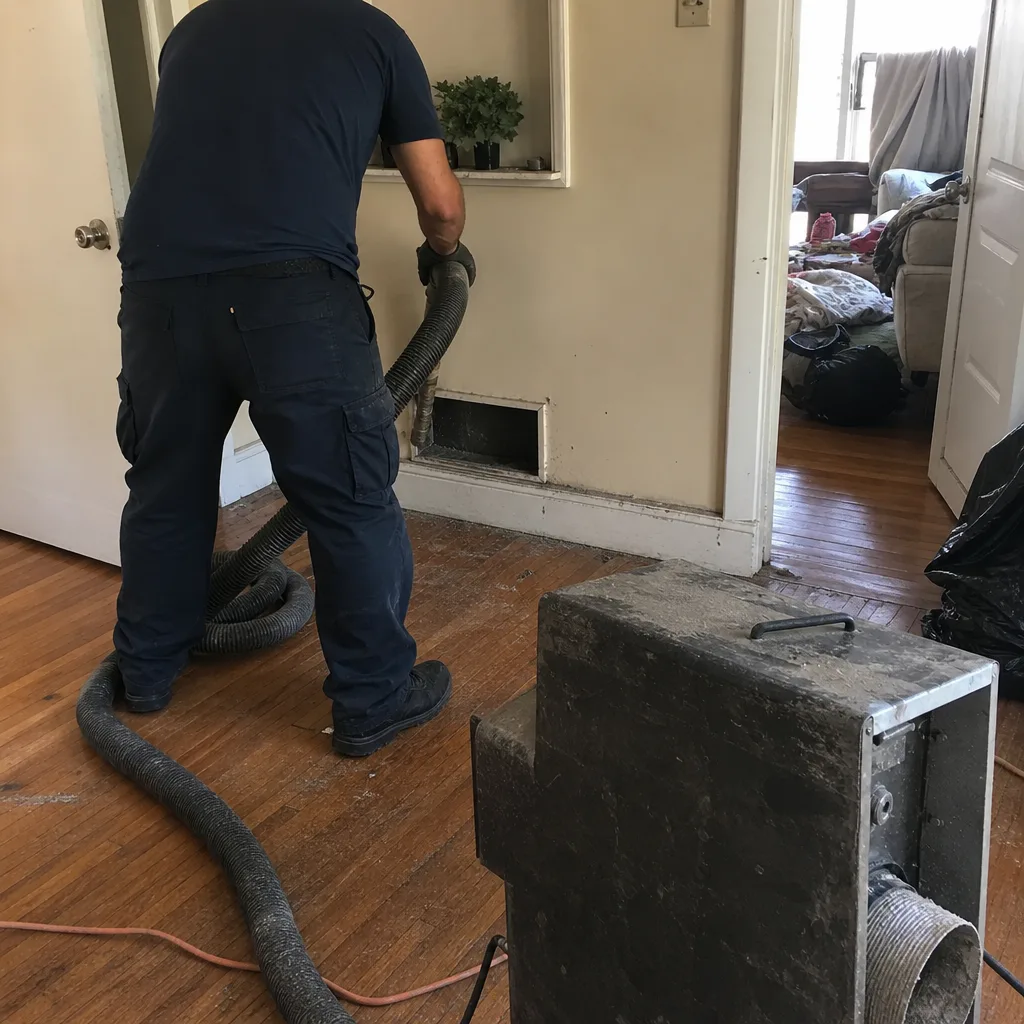 Before
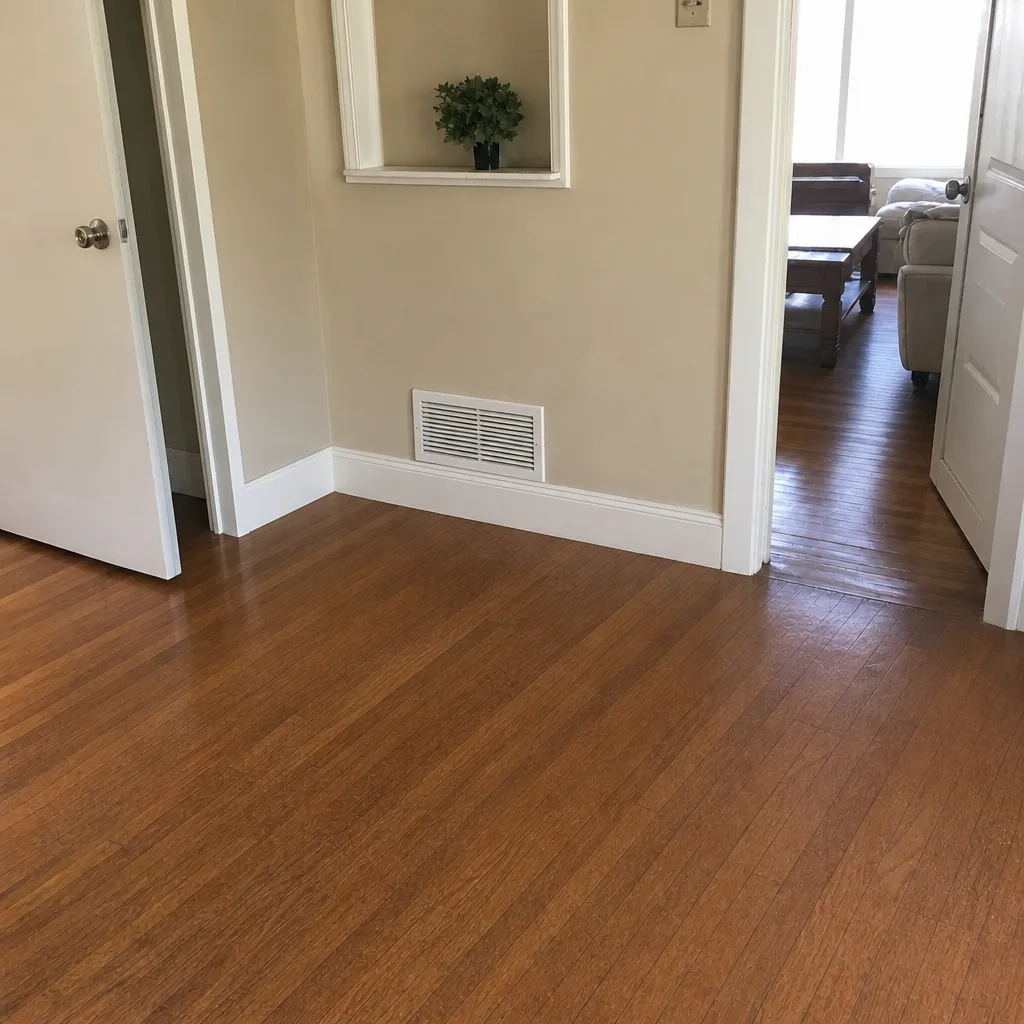 After
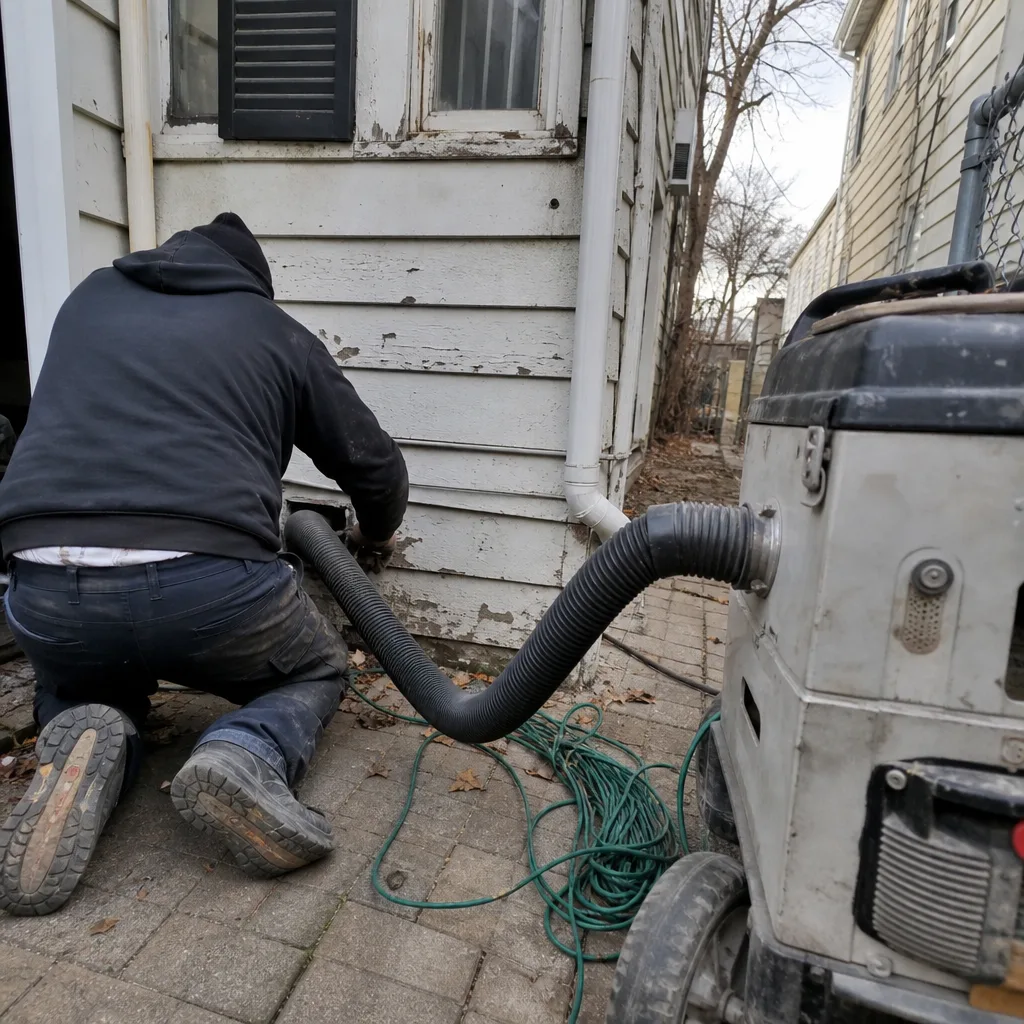 Before
 After
 Before
 After
When to Call a Professional
Some situations call for a professional cleaning rather than another round of vacuuming the vents. If you’re seeing visible dust puffs from a register when the system starts, if the inside of the return grille is dark with dust, if a damp or musty smell comes from the supply registers, or if recent renovation work sent drywall dust through the system, this is the moment. The same applies when anyone in the home deals with allergies or respiratory sensitivity and the ductwork hasn’t been inspected. And in South Beach’s climate, moisture or visible growth anywhere in the duct system should trigger an inspection before anyone sprays or sanitizes over it. Air Duct Cleaning South Beach offers free estimates in South Beach – call (877) 792-7501. We answer 24/7. Fast dispatch from 7am to 7pm, Sunday through Friday.
Frequently Asked Questions
We price duct cleaning per system by written estimate, not per vent, so the number depends on the size of the system, the duct materials involved, and whether repair or sealing is needed. That protects you from the bait-and-switch pricing common in this trade. Call (877) 792-7501 for an exact quote – estimates are free.
Cheap quotes usually reflect a lower level of work: a blow-and-collect pass with a shop vacuum instead of mechanical source removal, no seam inspection, and no documentation. In a humid climate that pass can leave the contamination behind and aerate it into your home. The better question is what equipment and what method the company is using, not just the headline number. Call (877) 792-7501 to compare a proper quote against what you’ve been offered.
You should be able to see it. A legitimate clean comes with before-and-after photos of your own ducts and air handler, not stock images, plus an inspection report that lists materials, moisture findings, and seam conditions. We walk through the system with you before we leave. Call (877) 792-7501 to book an estimate.
For most South Beach homes, every three to five years is a reasonable baseline, but humidity and moisture findings can shorten that. If your duct runs are damp or have visible growth, an inspection matters more than a set schedule. Call (877) 792-7501 for an assessment of your specific system.
Yes. South Beach’s humidity and salt particulate load make duct contamination wetter and more biologically active than in drier inland climates, and the barrier-island housing stock means duct materials vary widely. A cleaning method that works on a dry suburban ranch home can leave the damp layer behind here. That’s why we inspect moisture and duct material before choosing a protocol.
Visible mold inside ductwork needs to be documented and addressed, not just cleaned over. That’s where remediation-grade equipment like our Abatement Technologies setup comes in, and where the run may need to be evaluated for repair or replacement if the lining is compromised. Call (877) 792-7501 to schedule an inspection.
The Bottom Line
Air duct cleaning in South Beach is not the same job it is inland. The humidity, the salt-laden air, and the wide range of duct materials in barrier-island housing make mechanical source removal, moisture assessment, and seam inspection the difference between a cleaning that holds and one that doesn’t. Ask what equipment the company uses, insist on before-and-after photos of your own system, get one flat price per system in writing, and treat dryer vent cleaning and filtration as part of the same relationship. When all three work together, you get cleaner air, better airflow, and a documented system you can trust.
Ready for a Verifiable Cleaning?
Air Duct Cleaning South Beach connects you with independent local professionals who use Rotobrush, Nikro, and Honeywell equipment to clean and document your system properly, not skim it. Call (877) 792-7501 for a free estimate. We answer 24/7. Fast dispatch from 7am to 7pm, Sunday through Friday. Visit Air Duct Cleaning South Beach to learn more about how we handle every system.
Written by the team at Air Duct Cleaning South Beach.